The intersection of classic cinematic noir and the gritty, neon-lit landscape of modern Nashville forms the thematic backbone of Heartland, a distinctive psychological mystery that premiered on Netflix. Written and directed by acclaimed filmmaker Shana Feste—known previously for her work on Country Strong and the genre-bending thriller Run Sweetheart Run—the film reimagines traditional detective tropes through a distinctly Southern, music-industry lens. Instead of the damp alleyways and trench coats typically associated with mid-century detective fiction, Heartland populates its frame with cowboy hats, honky-tonks, and the harsh, fluorescent glare of Lower Broadway.
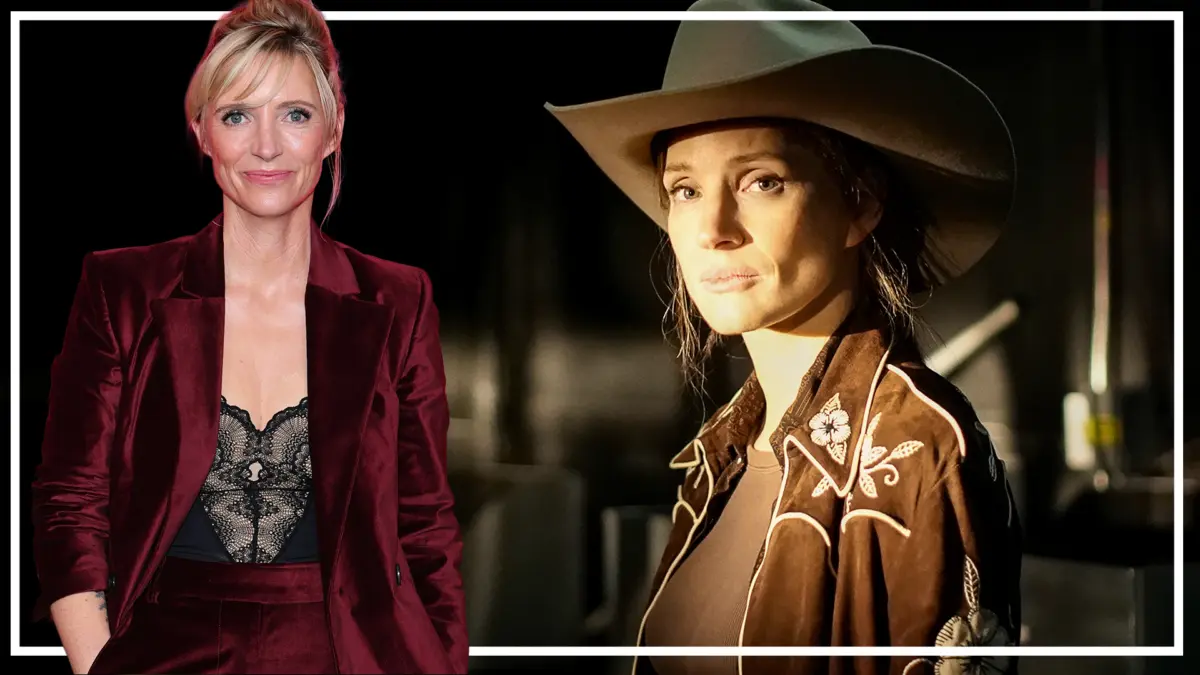
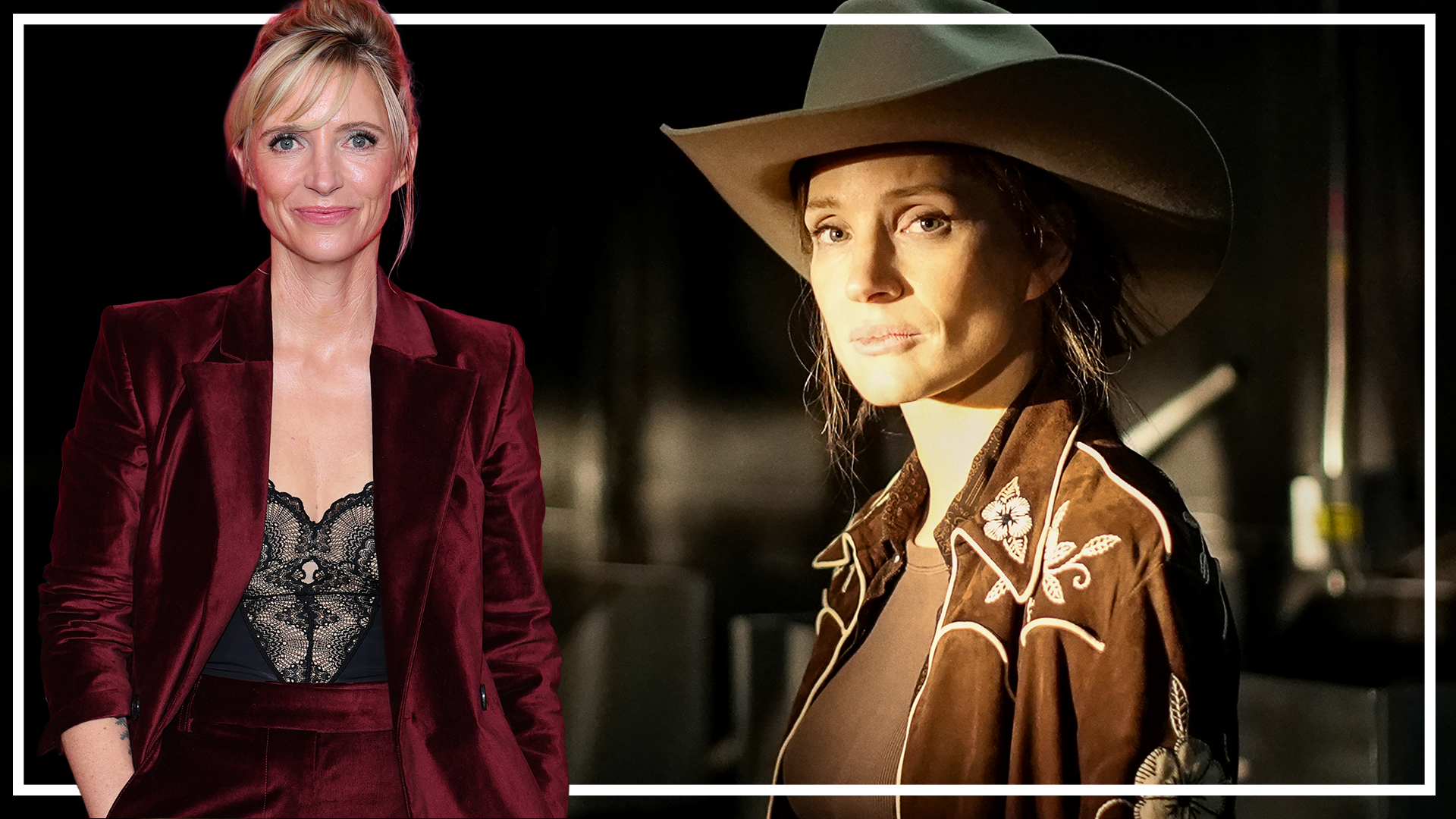
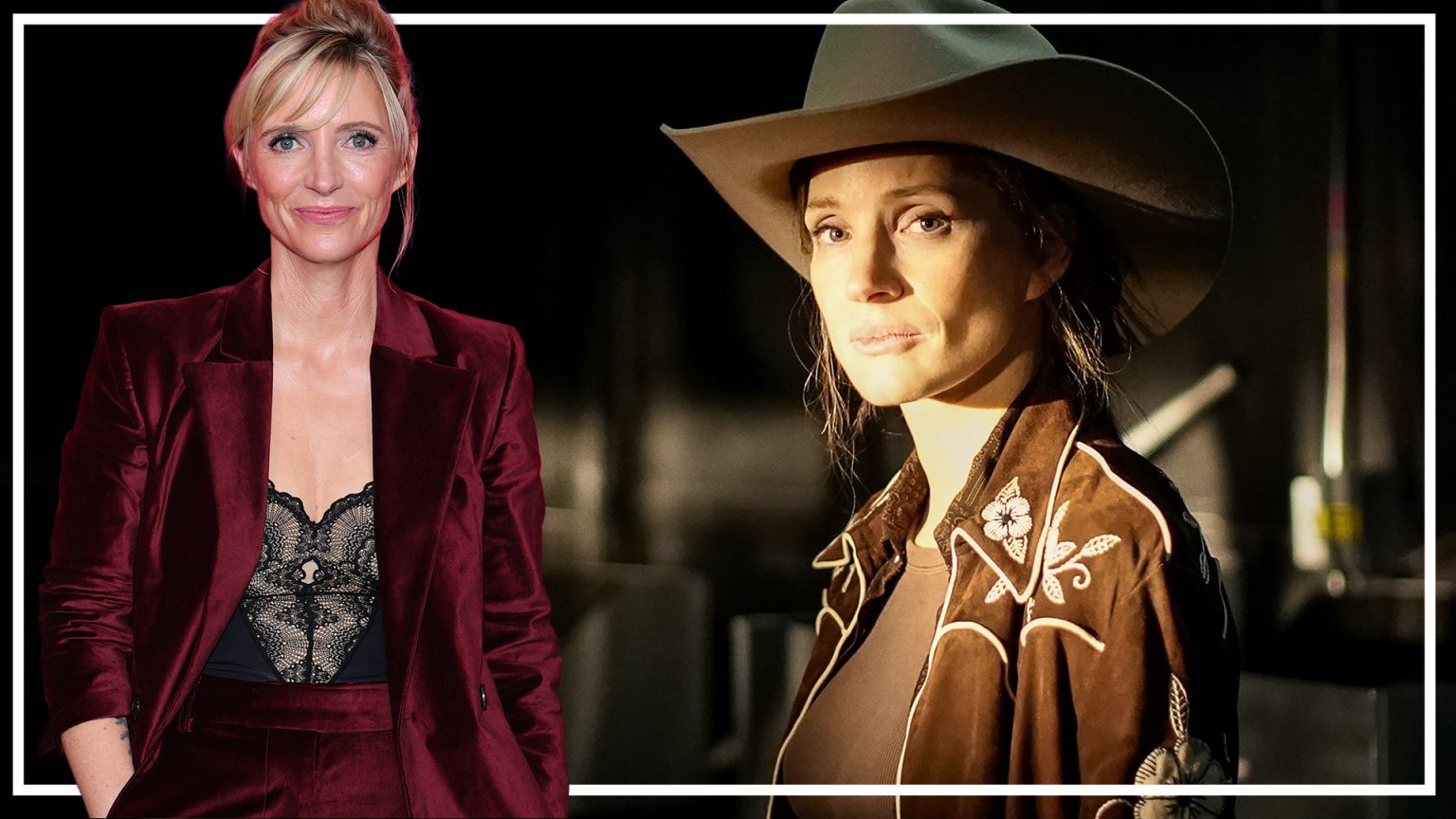
At the center of this narrative is Misty Jones, portrayed with fierce, guarded intensity by Academy Award winner Jessica Chastain. Jones is a hardened, tight-lipped anti-hero who arrives in Tennessee’s capital city driven by a singular, desperate mission: to locate her missing niece. Her investigation forces her to navigate the city’s amphitheaters, smoky back rooms, and forgotten margins, unearthing the dark underbelly of the country music machine while confronting the lingering trauma of her own abandoned musical ambitions. Feste’s feature brings a fresh perspective to a streaming platform saturated with procedural formulas, blending atmospheric tension with deep character study.
Main Facts and Narrative Premise
Heartland breaks away from conventional murder-mystery structures by positioning its protagonist not as a professional investigator, but as an outsider with personal stakes deeply embedded in the region’s cultural ecosystem. Misty Jones represents a deliberate departure from the charismatic, easily digestible protagonists common in mainstream thrillers. Feste has noted that the character’s genesis lay in her long-standing admiration for classic noir icons like Humphrey Bogart and Robert Mitchum. By transplanting the stoic, world-weary archetype into a female lead, the production forces a reexamination of how stoicism, vulnerability, and resilience are expressed on screen.
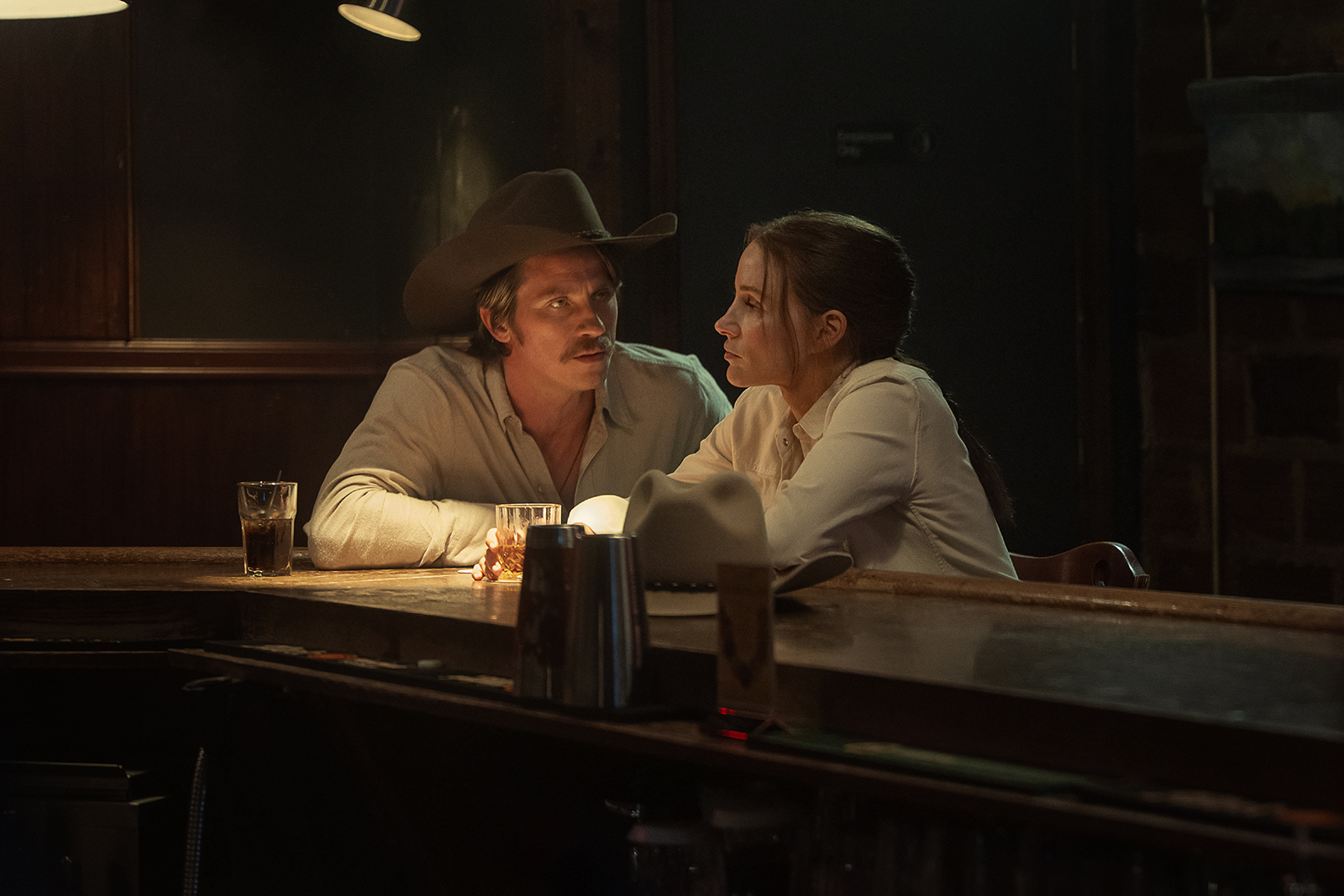
The narrative architecture relies heavily on dual investigations: the physical search for the missing niece and the psychological excavation of Jones’s past. Having fled Nashville years prior following a painful professional and personal collapse, Jones’s return requires her to face the exact demons she spent a lifetime running from. The supporting cast, which features Garrett Hedlund as Roy Combs and John Hawkes, anchors the ensemble in a heightened yet grounded reality, creating an intricate web of suspects, industry insiders, and forgotten dreamers.
Chronology of Production and Creative Development
The journey of Heartland from concept to screen reflects a meticulous, years-long development process focused on authenticity and tonal precision.
- Conception and Writing Phase: Shana Feste initially conceived the project out of a desire to merge her affinity for classic detective stories with her personal ties to the American South. The script was written largely to the propulsive, driving rhythm of tracks by Americana duo Shovels & Rope, which heavily influenced the pacing of the narrative.
- Pre-Production and Casting: Jessica Chastain joined the project to embody Misty Jones, collaborating closely with Feste on balancing the character’s external armor with deep-seated vulnerability. Concurrently, veteran music supervisor Randy Poster assembled an authentic auditory landscape, incorporating contributions from contemporary artists such as Carter Faith alongside original compositions by cast member John Hawkes.
- Principal Photography: Filming took place on location in Nashville, Tennessee. Production utilized the city’s iconic Lower Broadway signage, historic music venues, and rural outskirts to establish a cinematic contrast between the glamorous public face of the country music industry and its precarious backstage realities.
- Post-Production and Sound Design: The score, composed by the experimental duo Danny Bensi and Saunder Jurriaans, underwent a rigorous refinement process to ensure it matched the unconventional, hard-charging energy of the protagonist. Editing focused heavily on preserving character-driven moments that risked being streamlined for pacing, ultimately retaining the atmospheric depth that defines the finished film.
Supporting Data and Production Details
The production of Heartland involved a careful synthesis of Hollywood narrative standards and the insular culture of Nashville’s independent music community. To achieve authenticity, Feste consulted extensively with local musicians, integrating real-world survival narratives into the script. Many characters reflect the genuine hardships faced by aspiring artists who migrate to the city with few resources, relying on cold-calling venues and enduring grueling schedules for marginal financial return.
Visually, the film relies on a stark contrast between natural autumnal landscapes and harsh artificial lighting. Cinematography choices emphasize isolation, utilizing wide-angle framing for exterior rural night sequences and tight, claustrophobic close-ups during confrontational dialogue scenes at dimly lit bars. Chastain’s physical transformation—highlighted by the use of distinct character styling and a specialized wig—was so total that director Feste frequently failed to recognize the actress off-camera when she reverted to her natural appearance between takes.
Official Insights and Creative Direction
In interviews discussing the thematic underpinnings of Heartland, Feste emphasized her intent to construct a cinematic equivalent to Roman Polanski’s Chinatown, utilizing Nashville not merely as a backdrop, but as a living, breathing participant in the mystery.
"I loved even more the idea of creating a woman who didn’t organize her life around being likable or admired," Feste explained regarding the characterization of Misty Jones. "And I thought, what if I put these characters together in this city that I love most, returning to Nashville? Put them in a much darker story that explored the underbelly of the city… so that we get to see a different side of Nashville. It is a very heightened side of Nashville, but we get to see all the secrets in the fluorescent lights."
Addressing the collaborative process with Chastain, Feste noted that the focus remained on the character’s bravery in confronting unresolved trauma rather than strict adherence to traditional hard-boiled archetypes. "She plays things pretty close to the vest, except what we talked a lot about was her vulnerability… Jessica’s character is running from something very, very painful in her past. She is about as far from her musical dream as she can be."
The auditory landscape received equal attention, with the composers pushing boundaries to create an unsettling yet fitting musical identity. Feste recalled the initial presentation of the score by Danny Bensi and Saunder Jurriaans: "They were like, ‘You’re going to think it’s insane, just don’t tell us it’s insane yet. Listen to it a few times.’ I was like, ‘This is bananas.’ Then the more I listened to it, and as soon as I put it up to the visuals, I was like, ‘Oh wow, this is really unique.’"
Broader Impact and Industry Implications
The release of Heartland on Netflix signifies a broader industry shift toward mid-budget, character-driven thrillers featuring high-profile cinematic talent in streaming formats. By bridging the gap between prestige auteur filmmaking and accessible streaming distribution, projects like Heartland demonstrate that platforms are increasingly willing to support genre-blending experiments that defy standard algorithmic categorization.
Furthermore, the film’s meticulous attention to the economic and social realities of the Nashville music scene offers a cultural critique that elevates the project above standard pulp mysteries. By centering the narrative on the exploitation and dashed hopes of industry hopefuls, Heartland functions as both an entertaining neo-noir puzzle and a melancholy elegy for the American dream as expressed through country music. As streaming services continue to seek proprietary content that captures critical attention alongside viewing hours, Feste’s directorial vision establishes a high benchmark for atmospheric, performance-heavy storytelling.