The long-awaited conclusion to the seminal Rage virus franchise, provisionally titled 28 Years Later 3, has reached a significant creative milestone. Director Danny Boyle confirmed during the recent Deadline Contenders Film Los Angeles event that screenwriter Alex Garland has completed a script that serves as a definitive end to the narrative arc. While the project has garnered substantial interest from both the studio and its original star, Cillian Murphy, the production currently faces a significant hurdle: securing the necessary financial backing to bring this final installment to the screen.
Boyle, who directed the original 2002 film that redefined the zombie genre, lauded Garland’s screenplay as a "fantastic" achievement. According to the director, the narrative structure of this third entry is designed to bring the franchise’s complex, apocalyptic history to a close in a "beautiful, mathematically perfect way." Despite this creative consensus, the financial realities of the current film landscape have relegated the project to what Boyle recently described as the "back burner."
A Franchise Rooted in Cinematic History
To understand the weight of this potential final chapter, one must examine the legacy of the 28 Days Later series. When the original film premiered in 2002, it fundamentally altered the horror landscape. By replacing the traditional slow-moving, reanimated corpse with the "Infected"—individuals suffering from a hyper-aggressive, virus-induced rage—Boyle and Garland injected a sense of kinetic, visceral terror into the genre. The film’s gritty, low-budget aesthetic, shot largely on digital cameras, lent an unsettling, documentary-style realism to the downfall of London.
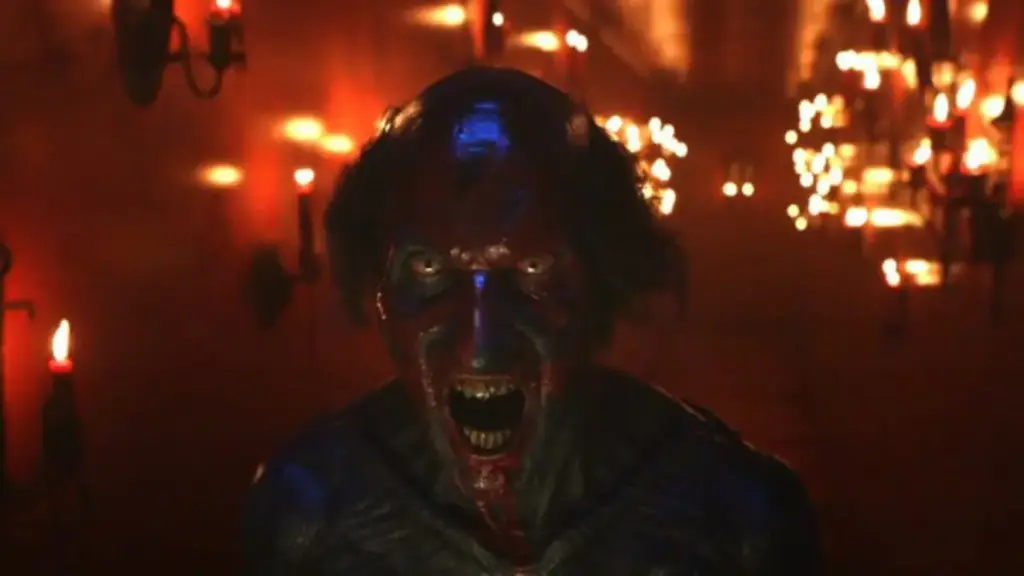
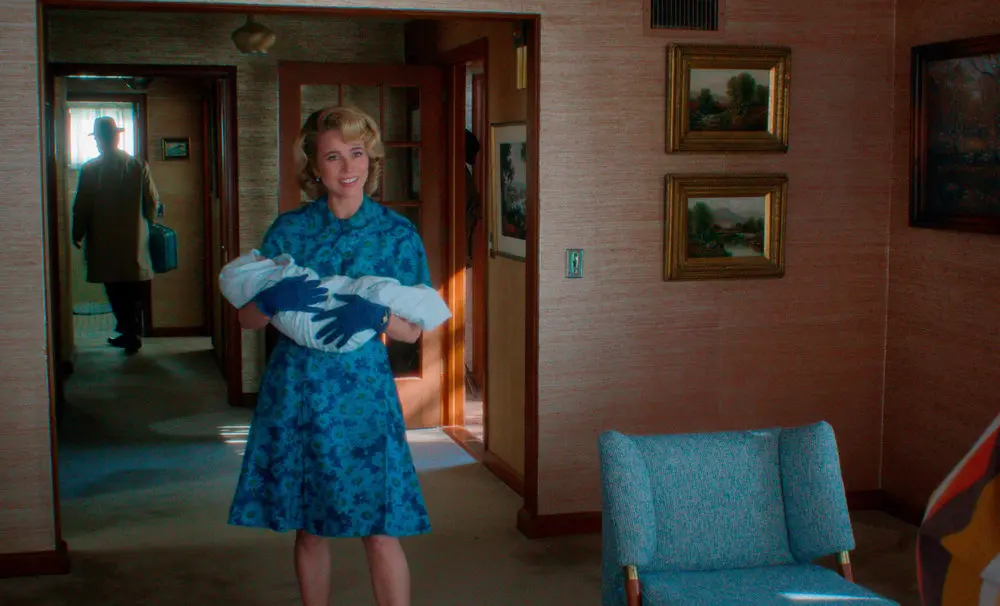
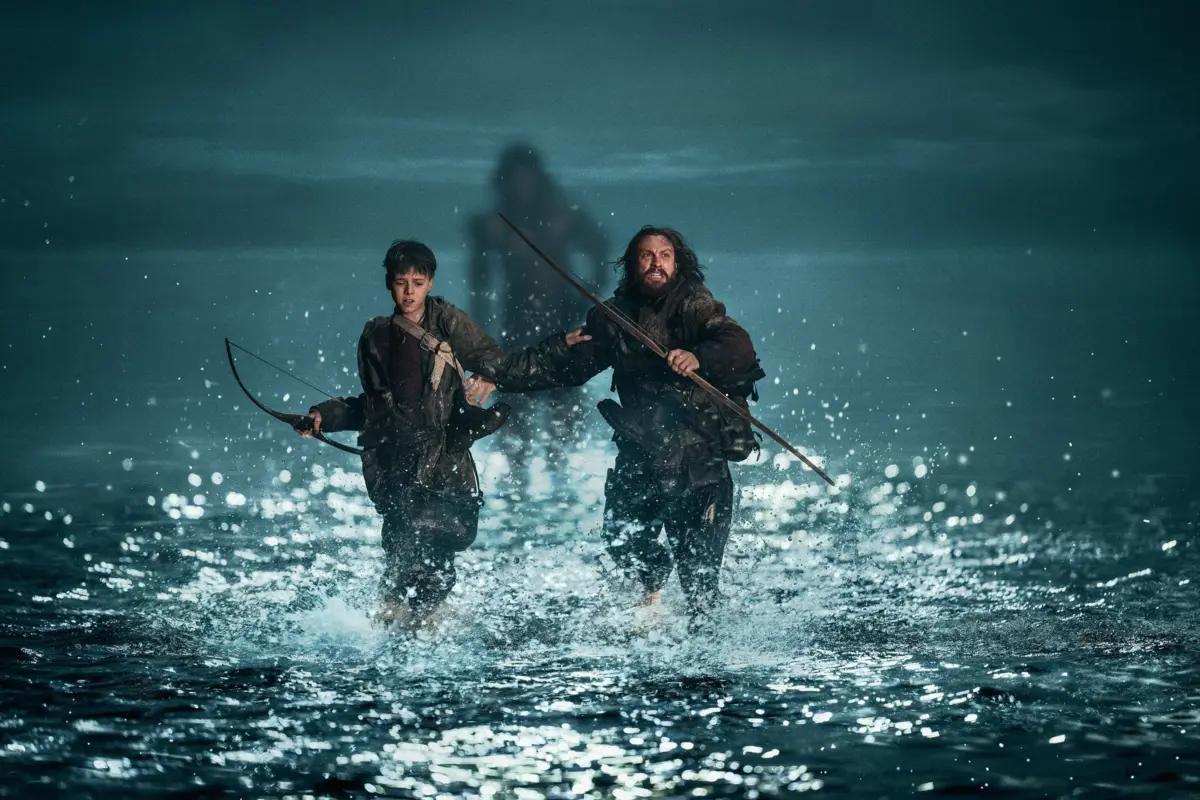
The franchise’s trajectory has been sporadic but impactful. Following the 2007 sequel, 28 Weeks Later, the series entered a long dormancy period before the recent resurgence. The expansion of the franchise with the release of the most recent entries—the 2025 installment 28 Years Later and the follow-up 28 Years Later: The Bone Temple—marked a renewed effort to build a cohesive universe surrounding the Rage virus. The Bone Temple, directed by Nia DaCosta, attempted to deepen the mythology of the series by introducing complex power structures and scientific dilemmas, though its reception highlighted the challenges of balancing artistic vision with commercial viability.

The Financial Discrepancy
The primary tension currently surrounding the production of the third film is economic. Despite the critical acclaim often associated with the series, the financial performance of recent installments has been inconsistent. 28 Years Later: The Bone Temple, for instance, concluded its theatrical run with approximately $58.5 million in global box office receipts. When measured against a reported production budget of $63 million—which does not include the significant additional costs of marketing and distribution—the film failed to reach profitability through theatrical exhibition alone.
In the current studio environment, where tentpole films and legacy sequels are expected to deliver substantial returns on investment, this fiscal performance provides a difficult context for securing a green light for an expensive, high-stakes finale. Investors are increasingly risk-averse, favoring established intellectual properties with proven track records of massive profitability. Boyle’s admission that he must "raise the money" suggests that the production is currently searching for a financial model that mitigates risk while allowing for the creative scale that a grand finale requires.
The Role of Cillian Murphy
Central to the appeal of this potential final chapter is the return of Cillian Murphy. Having played the protagonist Jim in the original film, Murphy’s career has since ascended to global prominence, culminating in his Academy Award win for Best Actor. His potential involvement in the project is a major asset for producers.
Boyle has consistently expressed enthusiasm regarding Murphy’s willingness to participate, noting that the script features a significant role for the character. However, the nature of Murphy’s return remains a subject of curiosity. The actor, now a veteran of prestige drama and high-budget features, brings a level of gravitas to the project that few other performers could match. Boyle’s playful comments regarding whether Murphy would "take his kit off" again—a nod to the iconic, vulnerable nudity of the original film—serve to highlight the tonal contrast between the Jim of 2002 and the character who would exist in the landscape of 28 years post-outbreak.
Chronology of the 28 Years Later Universe
The narrative timeline of the franchise has evolved to reflect the long passage of time since the initial outbreak:

- 2002: The original 28 Days Later is released, depicting the initial collapse of civilization in the United Kingdom due to the Rage virus.
- 2007: 28 Weeks Later explores the aftermath of the initial infection and the failed attempts to rebuild society in controlled zones.
- 2025: 28 Years Later introduces new characters, including the youth Spike, who navigates the ruins of a post-collapse mainland, establishing the grim reality of a world that has failed to recover.
- 2026/2027: The release of 28 Years Later: The Bone Temple further expands the lore, introducing new antagonists like Jimmy Crystal and the research efforts of characters like Dr. Kelson.
- Present Day: The project is in a development limbo, with a completed script by Alex Garland awaiting the necessary financial infrastructure to proceed toward pre-production.
Broader Implications for the Genre
The struggle to finalize the 28 Years Later trilogy is emblematic of a broader trend in Hollywood: the challenge of concluding long-running horror franchises in a way that satisfies both creative intent and fiscal expectations. Unlike standard superhero franchises, which are designed to continue indefinitely, the 28 Years Later series was conceived with a specific, thematic ending in mind.
The "mathematically perfect" conclusion that Garland has written implies a narrative necessity that may not align with the typical studio preference for open-ended sequels. If the film is to be made, it will likely require a unique financing strategy—perhaps a collaboration between streamers looking for high-prestige content or a specialized distribution deal that prioritizes the artistic integrity of the finale over the expectation of a massive, franchise-expanding theatrical opening.
Furthermore, the involvement of high-caliber talent like Boyle, Garland, and Murphy indicates that the project is not merely a commercial cash-grab, but a project of genuine artistic interest. Their commitment to completing the cycle suggests that they are unwilling to compromise on the quality of the final entry. For the audience, this signifies that if and when the film moves forward, it will be a deliberate, carefully crafted piece of cinema rather than a product of studio mandate.
Future Outlook
As of late 2026, the status of the project remains fluid. While Boyle’s desire to commence filming in 2027 was the initial goal, the reality of the current financial landscape suggests that this timeline is ambitious. The production is effectively in a holding pattern, waiting for the right alignment of stakeholders who recognize both the cultural value of the franchise and the potential for a successful, finite narrative conclusion.
The dialogue between the creators and the industry will likely continue to focus on the balance between the "fantastic" nature of the script and the pragmatic requirements of the box office. Should the financing be secured, the resulting film will have the rare opportunity to provide a definitive resolution to one of the most influential horror sagas of the 21st century. For now, the fate of Jim, the Rage virus, and the shattered landscape of the United Kingdom remains in the hands of those tasked with turning a "mathematically perfect" script into a reality.