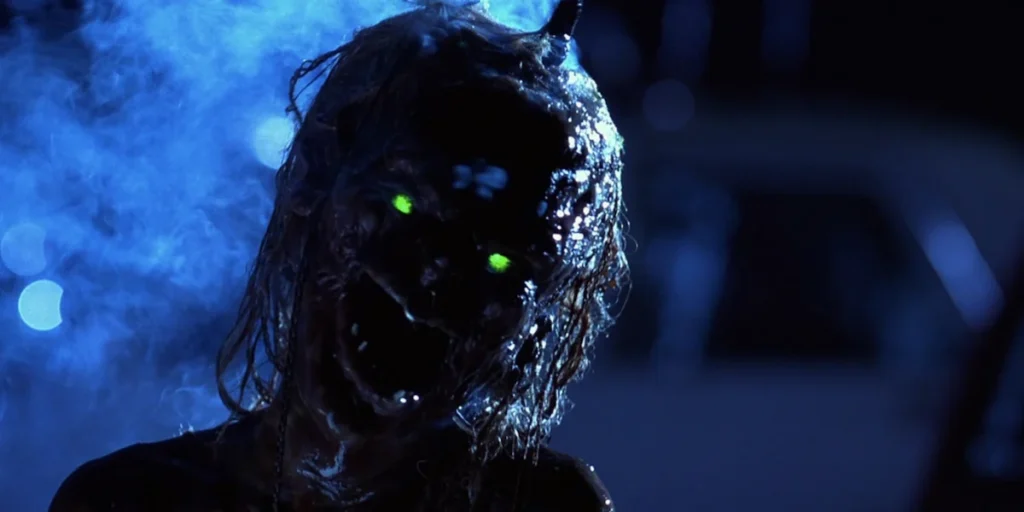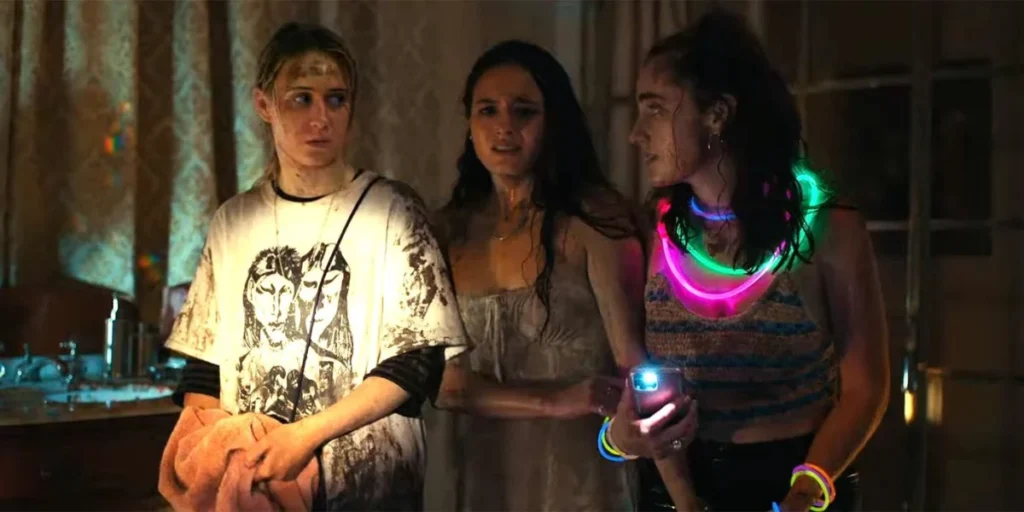
The horror genre is notoriously sensitive to the introduction of definitive origin stories, a narrative device that often risks stripping iconic antagonists of their mystique. By providing concrete answers to the "why" and "how" of a monster’s existence, creators frequently inadvertently undermine the very ambiguity that made them terrifying in the first place. This tension is particularly acute within the Friday the 13th franchise, a series defined by its relentless, supernatural slasher, Jason Voorhees. However, the recent Peacock series Crystal Lake, helmed by showrunner Brad Caleb Kane, has opted for a radical departure from established lore. By recontextualizing the Voorhees family tragedy within the socio-political disillusionment of 1970s America, the series attempts to bridge the gap between supernatural slasher tropes and grounded, corporate-driven horror.

A Chronological Shift in the Voorhees Mythos
The most significant divergence from the Friday the 13th timeline is the temporal displacement of the central tragedy. In the original 1980 film, Jason’s drowning was established as a mid-1950s event, serving as the catalyst for Pamela Voorhees’ initial 1979 killing spree. Kane’s Crystal Lake shifts this timeline forward by approximately 15 years, placing the drowning in the early 1970s. This adjustment is not merely aesthetic; it is a calculated narrative maneuver designed to align the Voorhees tragedy with a period of profound national cynicism.
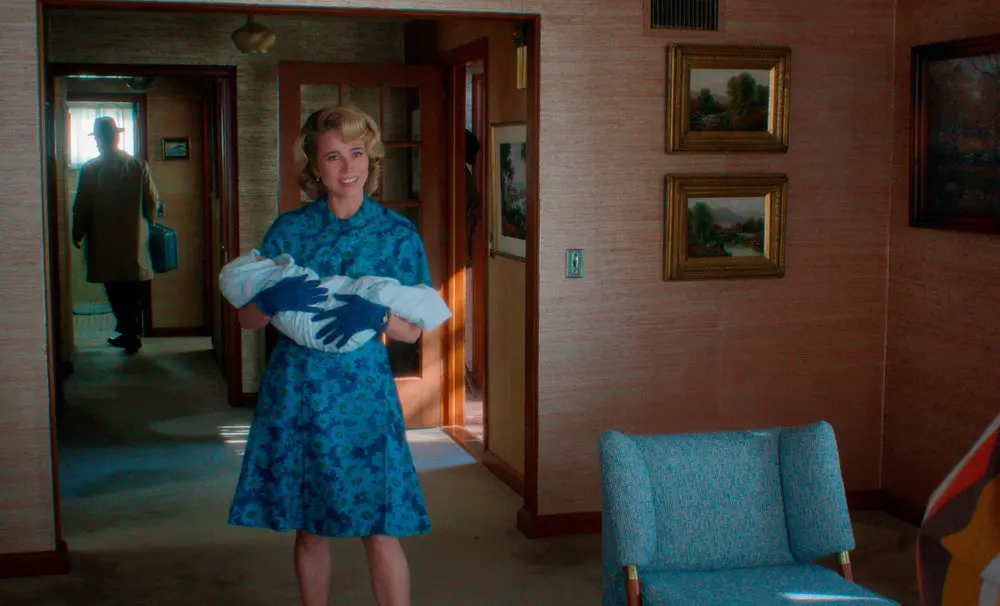
By moving the catalyst to the 1970s, the series positions the birth of the Voorhees "monster" within the era of the Watergate scandal, the end of the Vietnam War, and the subsequent collapse of trust in American institutions. In this version of history, the idyllic nature of the summer camp setting is contrasted against a backdrop of corporate malpractice and the erosion of the nuclear family. The penultimate episode, titled "Friday," explores this shift through the eyes of Pamela Scott, portrayed by Linda Cardellini, and Elias Wittering, played by Hamish Linklater.

Corporate Malpractice and the Science of Trauma
The series introduces "Project Argonaut," an initiative managed by the fictional Bellflower Chemical, as the engine behind the family’s destruction. Historically, the Friday the 13th franchise treated Elias Voorhees as a largely peripheral, often abusive, and absent figure. Crystal Lake subverts this by presenting Elias as a "company man"—an individual so entrenched in the corporate machine that he becomes a willing, albeit deluded, participant in his own family’s ruin.
This depiction serves as a cautionary tale regarding the encroachment of corporate interests into private lives. The narrative suggests that Jason’s eventual transformation into a revenant is not merely a product of occult circumstances or simple revenge, but the result of involuntary human experimentation facilitated by corporate greed. This shift transforms Jason from a simple vengeful spirit into a byproduct of systemic abuse, effectively mirroring the real-world anxieties regarding late-stage capitalism and the unchecked power of pharmaceutical and industrial conglomerates during the 20th century.

Critical Analysis of the "Science Fact" Approach
Showrunner Brad Caleb Kane has emphasized that the narrative choices regarding Jason’s origins are rooted in a desire to ground the supernatural in tangible history. In various press statements, Kane has argued that the series is not attempting to engage in science fiction, but rather a dramatization of "science fact" as it pertains to the history of corporate experimentation.
This approach carries significant implications for the franchise’s legacy. By anchoring the horror in the deliberate actions of a corporation rather than in mystical curses or ambiguous campfire tales, the series invites a broader critique of American exceptionalism. The "Stepford-coded" nature of the experiments performed on Pamela serves as a metaphor for the loss of agency and the hollowed-out promises of the American Dream. The sterility of the laboratory settings, contrasted with the warmth of the, albeit fractured, domestic life, creates a visual language of alienation that permeates the series.

The Evolution of the Slasher Antagonist
Historically, the slasher genre relies on the "othering" of the antagonist to maintain a sense of detachment between the viewer and the killer. Crystal Lake attempts to invert this dynamic by forcing the audience to empathize with the architects of their own destruction. Pamela Voorhees, historically a vengeful mother seeking justice for her son, is re-imagined here as a victim of a system that exploits maternal vulnerability.
This shift has polarized the fanbase. Critics of the approach argue that demystifying Jason Voorhees—reducing him to an experiment—strips him of his elemental power as a force of nature. Conversely, proponents argue that the series provides a much-needed evolution for a franchise that had largely stagnated under the weight of its own repetitive sequels and creative dead ends. The decision to avoid "meta" tropes, such as sending the character to space or into the realm of supernatural crossovers, demonstrates an attempt to retain a sense of narrative gravity, even if the premise itself is inherently macabre.

Societal Reflections in Horror Media
The thematic focus on the disintegration of institutional trust during the 1970s is a recurring motif in contemporary horror, which often uses the past as a mirror for present-day anxieties. The "identity crisis" described by Kane—where marriage, government, and corporate integrity were simultaneously brought into question—serves as the emotional core of the series.
Data regarding the cultural impact of the Friday the 13th franchise confirms that audiences have historically engaged with the films as escapist horror. Crystal Lake represents a pivot toward the prestige horror model, where the scares are secondary to the exploration of trauma and systemic failure. Whether this transition will sustain long-term engagement remains to be seen, as the series balances the expectations of a legacy brand with the demands of modern, character-driven storytelling.

Implications for the Future of the Franchise
The "Friday" episode serves as the fulcrum upon which the rest of the series turns. Its focus on the psychological and physical manipulation of the Voorhees family establishes the "why" behind the horror, creating a foundation that the remainder of the series must now build upon. By explicitly linking Jason’s condition to human trials, the series has moved away from the traditional slasher formula into the realm of the cautionary tale.
The reaction from the broader television industry has been one of intrigue, particularly regarding the A24-backed production’s ability to maintain high-concept horror within a streaming ecosystem. The success of this endeavor will likely dictate how other dormant horror franchises are approached in the future. If Crystal Lake succeeds in its attempt to humanize the origin of evil through the lens of corporate exploitation, it may provide a roadmap for other studios looking to reboot legacy properties without falling into the trap of simple nostalgia.

Ultimately, the series functions as an exercise in re-imagining a foundational pillar of the slasher genre. By stripping away the supernatural veneer to reveal a core of human and corporate tragedy, the production team has signaled a shift in how horror audiences are expected to engage with legacy icons. The legacy of Jason Voorhees, once defined by his mask and his machete, is now being reconstructed through the lens of history, trauma, and the dark consequences of human ambition. As the series progresses, it remains to be seen if this grounded approach will satisfy the demands of the original fan base, or if it will alienate those who prefer their slashers to remain firmly in the realm of the supernatural. Regardless, the attempt to provide a coherent, systemic origin for one of cinema’s most enduring monsters represents a significant milestone in the evolution of the horror genre.