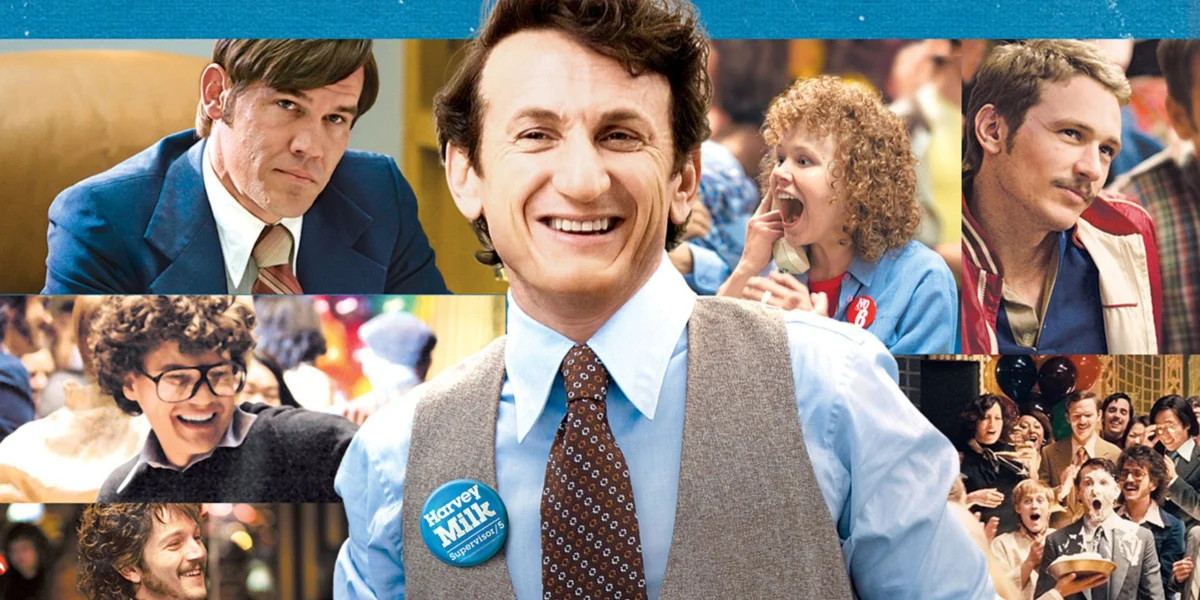
The 2008 biographical film Milk, directed by Gus Van Sant and written by Dustin Lance Black, remains a landmark achievement in American cinema, serving as both a historical document and a poignant piece of political activism. As the film approaches its 20th anniversary, its relevance continues to be scrutinized by critics and historians alike, particularly within the context of the evolving landscape of LGBTQ+ rights in the United States. Originally released during a period of intense legislative upheaval, the film chronicles the life of Harvey Milk, the first openly gay man to be elected to public office in California. Starring Sean Penn in a transformative role that earned him his second Academy Award for Best Actor, the production was bolstered by a supporting cast including Emile Hirsch, Josh Brolin, Diego Luna, and James Franco. The film’s narrative is deeply rooted in the 1984 Oscar-winning documentary The Times of Harvey Milk, utilizing a blend of archival footage and scripted drama to recreate the atmosphere of San Francisco’s Castro District in the 1970s.
Historical Context and the Legislative Backdrop of 2008
The release of Milk in late 2008 coincided with one of the most contentious moments in California’s political history: the passage of Proposition 8. This state ballot proposition, which occurred in November 2008, created a constitutional amendment that prohibited same-sex marriage in California, effectively overturning a prior California Supreme Court ruling. The timing of the film’s debut provided a visceral sense of urgency to its themes of civil rights and grassroots organizing. Audiences in 2008 did not view the film merely as a period piece; they saw it as a reflection of a contemporary struggle.
Dustin Lance Black, the film’s screenwriter, has frequently noted that the script was written with the intention of providing hope and a roadmap for activism. The historical Harvey Milk was known for his "Hope Speech," in which he famously declared, "You gotta give ’em hope." This sentiment resonated strongly with activists who were reeling from the legislative setback of Proposition 8. The film’s success at the box office and during the awards season was seen by many as a cultural counter-narrative to the political climate of the time.
Chronology of Production and Creative Development
The journey to bring Harvey Milk’s life to the big screen was a decades-long process fraught with developmental hurdles. Various filmmakers, including Oliver Stone and Bryan Singer, had previously attempted to launch a biopic. However, it was the collaboration between Gus Van Sant and Dustin Lance Black that finally secured the necessary momentum. Black, who grew up in a conservative household, spent years researching Milk’s life, conducting extensive interviews with Milk’s surviving friends and political allies, such as Cleve Jones and Anne Kronenberg.
Production began in early 2008, with filming taking place primarily on location in San Francisco. To maintain historical authenticity, the production team restored several storefronts in the Castro District to their 1970s appearance, including Milk’s famous camera shop, Castro Camera, which served as his political headquarters. The cinematography by Harris Savides utilized a grainy, naturalistic aesthetic to mimic the look of 1970s film stock, seamlessly integrating archival news clips from the era.
Narrative Structure and Performance Analysis
The film utilizes a non-linear narrative, framed by Harvey Milk (Sean Penn) recording his will and testament on a microcassette recorder just nine days before his assassination. This framing device allows the audience to hear Milk’s internal reflections on his journey from a closeted New York businessman to a revolutionary political figure in San Francisco.
Sean Penn’s portrayal of Milk was widely lauded for its departure from his typically brooding roles. Penn captured Milk’s charisma, humor, and occasional vulnerability, creating a multi-dimensional protagonist. Josh Brolin’s performance as Dan White, the disgruntled former city supervisor who would eventually assassinate Milk and Mayor George Moscone, was equally critical to the film’s success. Brolin portrayed White not as a caricatured villain, but as a deeply repressed and socially isolated man whose inability to adapt to a changing world led to a violent breaking point.
The supporting cast provided the necessary human texture to the "Milk Volunteers" and the broader community. Emile Hirsch portrayed Cleve Jones, the young activist who would later conceive the NAMES Project AIDS Memorial Quilt. James Franco played Scott Smith, Milk’s long-term partner whose personal relationship suffered under the strain of Milk’s political ambitions. These performances collectively illustrated the personal sacrifices inherent in the pursuit of social change.

Statistical Success and Award Recognition
Upon its release, Milk was both a critical and a commercial success. Produced on a budget of approximately $20 million, the film grossed over $54 million worldwide. It currently maintains an 8.2/10 rating on Rotten Tomatoes, with a 93% approval rating from critics, and a score of 84 on Metacritic, signifying "universal acclaim."
The film’s performance during the 81st Academy Awards was a highlight of the 2009 ceremony. Milk received eight nominations, including Best Picture, Best Director for Gus Van Sant, and Best Supporting Actor for Josh Brolin. It ultimately won two major awards:
- Best Original Screenplay: Dustin Lance Black.
- Best Actor: Sean Penn.
In his acceptance speech, Black delivered a powerful message to LGBTQ+ youth, stating, "I heard the story of Harvey Milk, and it gave me hope. It gave me the hope to live my life, it gave me the hope one day I could live the person I am, and maybe even fall in love and get married." This speech is often cited as one of the most significant moments in Oscar history regarding social advocacy.
Broader Implications and Contemporary Relevance
In the years following the film’s release, the political landscape for LGBTQ+ rights underwent significant shifts. In 2013, the U.S. Supreme Court’s ruling in Hollingsworth v. Perry effectively allowed same-sex marriage to resume in California, and the 2015 Obergefell v. Hodges decision legalized it nationwide. Analysts have often debated the role of cultural media like Milk in shifting public opinion. By humanizing the struggle for equality and highlighting the historical precedent of Harvey Milk’s activism, the film contributed to a broader societal dialogue that preceded these legal victories.
However, a modern retrospective of the film also invites critical discussion regarding representation. In recent years, the film industry has seen a shift toward casting LGBTQ+ actors in LGBTQ+ roles. While Sean Penn’s performance was undeniably a masterclass in acting, contemporary discussions often explore how the film would be cast today. Additionally, the film has been praised for its refusal to sanitize Milk’s life, showing both his political genius and his personal complexities.
Technical Merits: Editing and Score
The technical aspects of Milk played a vital role in its immersive quality. Elliot Graham’s editing was instrumental in pacing the film’s transition from a hopeful community-building story to a tense political thriller. The integration of real-life footage from the "Briggs Initiative" (Proposition 6) campaign provided a documentary-like weight to the narrative, grounding the actors’ performances in the reality of the 1978 political battle.
The musical score, composed by Danny Elfman, departed from his typical whimsical or dark style. Elfman’s work on Milk was understated and melodic, utilizing choral elements and soft orchestrations to evoke a sense of reverence and melancholy. The score received an Academy Award nomination and is considered one of the more subtle yet effective works in Elfman’s extensive filmography.
Legacy and Continued Discussion
The Next Best Picture podcast’s recent retrospective, featuring Sara Clements, Josh Parham, Dan Bayer, and Aaron Isenstein, highlights the film’s enduring capacity to spark conversation. The discussion points often revolve around how Gus Van Sant, known for his experimental "Death Trilogy" (Gerry, Elephant, Last Days), managed to balance his indie sensibilities with a more traditional biographical structure. The consensus remains that Milk is a rare example of a "prestige" biopic that maintains its soul and political bite without succumbing to Hollywood sentimentality.
Harvey Milk’s legacy, as depicted in the film, serves as a reminder of the power of visibility. As Milk famously said, "Coming out is the most political thing you can do." The film Milk stands as a testament to that philosophy, ensuring that the story of the "Mayor of Castro Street" continues to inspire future generations of leaders and activists. Whether viewed as a historical artifact of the 1970s, a political response to the 2000s, or a piece of cinematic art, the film remains a vital component of the American film canon.