The Return of a Cult Icon
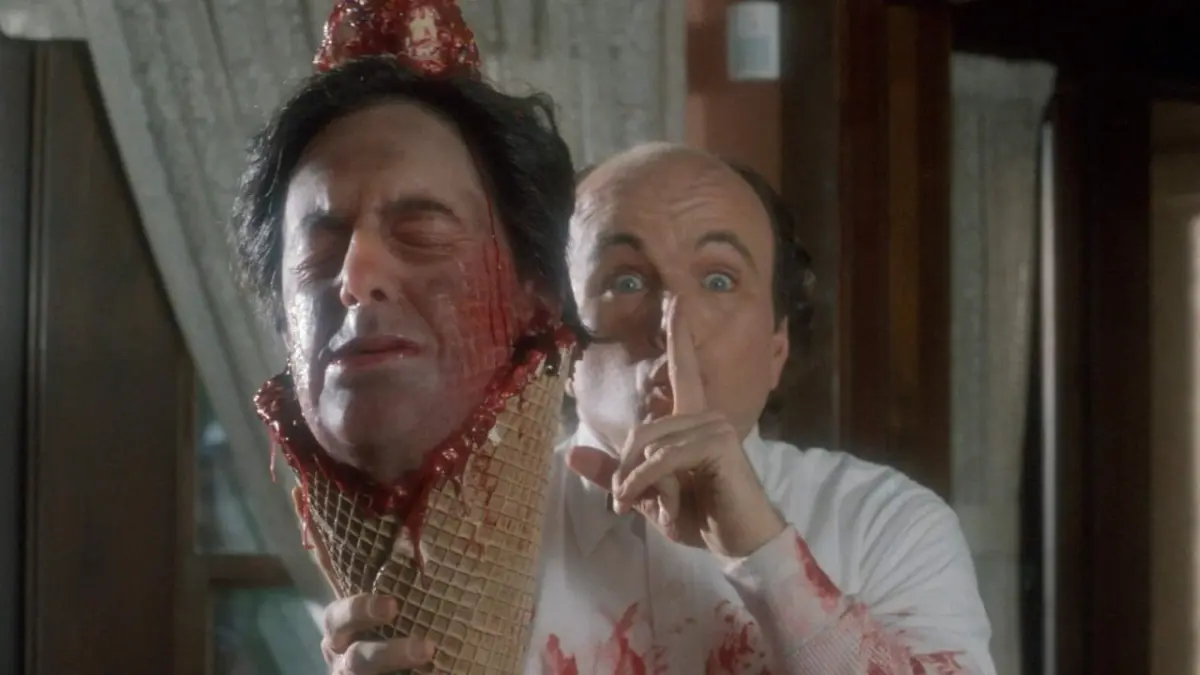
The original 1995 film, directed by Paul Norman, solidified its status as a cult favorite by blending dark, macabre humor with the quintessential aesthetics of mid-90s independent horror. Clint Howard’s portrayal of Gregory Tudor—an ice cream vendor whose traumatic childhood manifests in the ritualistic murder of neighborhood residents—became the film’s defining element. Unlike the more polished slasher films of the 1980s, the original Ice Cream Man leaned into a surreal, campy atmosphere that resonated with audiences seeking unconventional frights.
The announcement of the sequel comes at a time when the horror industry is increasingly revisiting intellectual properties from the late 20th century. By reuniting Clint Howard with the project, the production team is signaling an intent to maintain continuity with the tone of the original, while likely modernizing the narrative for a contemporary audience. The involvement of Carmelo Chimera, known for his work on Sin Eater, as a co-director alongside Howard suggests a collaborative effort to bridge the gap between the film’s legacy and a new creative vision.
Chronology of the Franchise and Its Legacy
To understand the cultural weight of this sequel, one must examine the timeline of the property. The 1995 film arrived during a transitional period for the horror genre. Following the exhaustion of the 1980s slasher boom, the mid-90s saw a shift toward high-concept, often absurdist horror titles that were frequently relegated to the direct-to-video market. Ice Cream Man was a product of this era, characterized by limited budgets but significant creative freedom.
Over the ensuing thirty years, the film maintained a persistent, if niche, following. It was frequently cited in retrospective discussions regarding "gateway horror," providing younger viewers with a bridge between family-friendly spooky content and more mature slasher fare. The film’s presence on streaming platforms like Prime Video and Tubi in recent years has introduced the character to a new generation of viewers, keeping the brand alive long after its initial home video release. The decision to move forward with a sequel now, in the mid-2020s, aligns with the broader industry trend of "legacy sequels," which prioritize the return of original cast members to build credibility and nostalgic appeal.

Production Details and Key Personnel
The recent announcement by PJ Soles—best known for her iconic roles in John Carpenter’s Halloween and Brian De Palma’s Carrie—serves as the primary source of confirmation for the project’s active status. Soles, who has been a consistent presence in the horror community for decades, shared an image on Instagram featuring herself and Howard in front of a promotional poster for the new film. Her caption specifically noted that she is playing a character described as a "Karen," implying a satirical or socially relevant update to the film’s character archetypes.
The project is being described as part of a "Clint Howard horrorverse," a terminology that hints at a larger strategic intent to potentially link Howard’s various horror roles into a cohesive creative framework. While industry observers note that such marketing language can sometimes be hyperbolic, it highlights the actor’s extensive history in the genre, including notable turns in films like Evilspeak (1981) and Ticks (1993). By framing Another Ice Cream Man as the flagship for a broader cinematic universe, the producers are likely aiming to maximize engagement from Howard’s long-standing fanbase.
Analyzing the Shift in Independent Horror
The revival of Ice Cream Man reflects a broader shift in how independent horror films are financed and distributed. In the current media landscape, the value of a pre-existing brand—even one as niche as this—cannot be overstated. Data from recent years indicates that horror remains one of the most profitable genres for independent studios, largely due to the high return on investment (ROI) and the loyalty of the core audience.
Unlike major studio blockbusters that rely on massive marketing budgets, horror sequels like Another Ice Cream Man benefit from organic social media momentum. The "sizzle reel" mentioned by Soles indicates that the project is currently in the early stages of development, focusing on securing funding and building anticipation through grassroots marketing. This strategy minimizes initial risk while allowing the creators to gauge audience reaction before committing to a full-scale theatrical or streaming release.
Implications for the Genre
The resurrection of Gregory Tudor raises interesting questions about the future of 90s horror revivals. Many properties from that era remain underutilized, trapped in rights limbo or obscured by changing distribution models. If Another Ice Cream Man proves successful, it could serve as a case study for other independent filmmakers looking to leverage their back catalogs.

Furthermore, the integration of veteran actors like PJ Soles into these projects provides a necessary bridge to the history of the genre. By casting icons of the 1970s and 80s, the producers are not only paying homage to the roots of horror cinema but also attracting a demographic of viewers who value practical effects, classic acting styles, and the gritty, unvarnished aesthetic of pre-digital filmmaking.
Looking Ahead: The Challenges of the Sequel
Despite the excitement surrounding the announcement, the production faces the significant challenge of balancing the expectations of longtime fans with the necessity of reaching new viewers. The original film’s success was, in many ways, an accident of its time—a perfect storm of eccentric performance and low-budget ingenuity. Recreating that "lightning in a bottle" effect in a modern context is inherently difficult.
The directors, Howard and Chimera, will need to determine how to treat the character of the Ice Cream Man. Will he remain a purely villainous figure, or will the film attempt to explore the psychological dimensions of his psychosis further? Additionally, the film’s tone will be under scrutiny; if it leans too far into modern, glossy aesthetics, it risks alienating the very audience it seeks to court. Conversely, if it remains too tethered to the 1995 original’s aesthetic, it may struggle to find a wider audience beyond the cult demographic.
Conclusion
The return of the Ice Cream Man is a testament to the enduring power of cult horror. By choosing to revive a property that has spent nearly three decades in the cultural periphery, the creative team behind Another Ice Cream Man is banking on the fact that horror fans remain deeply invested in the icons of their youth. As production continues and more details regarding the plot and cast are unveiled, the project will undoubtedly remain a focal point for genre enthusiasts.
For now, the project stands as a promising addition to the independent horror landscape, serving as both a celebration of Clint Howard’s career and a new chapter in a story that began in a small ice cream truck in 1995. As the industry watches this "horrorverse" take shape, the primary focus will remain on whether the sequel can deliver the same blend of terror and dark humor that made the original a foundational piece of cult cinema history. The industry will be closely monitoring the release of the official trailer and the eventual distribution strategy, as both will provide further insight into the long-term viability of this unexpected, yet highly anticipated, franchise expansion.