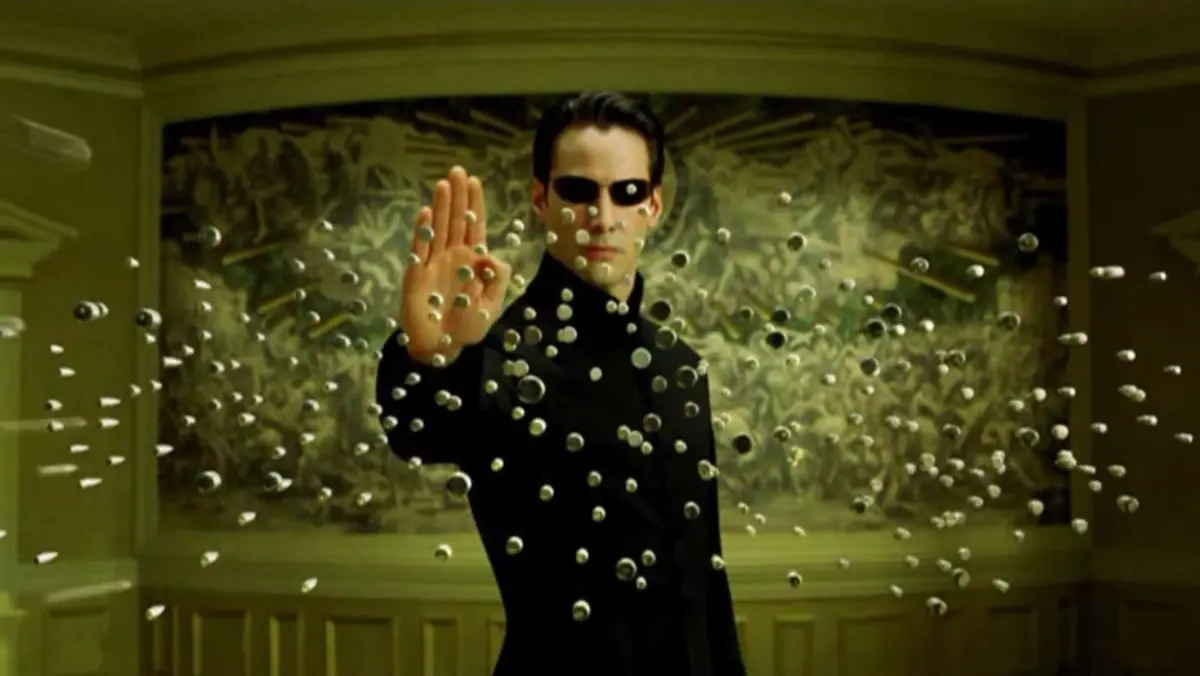
The landscape of one of science fiction’s most influential cinematic properties is shifting as Lana and Lilly Wachowski have initiated a formal process to reclaim the intellectual property rights to The Matrix. According to recent reports, the sibling filmmakers have served notice to Warner Bros. Discovery to exercise their statutory copyright termination rights. This legal maneuver, permitted under U.S. copyright law, could potentially return control of the domestic rights to the creators as early as February 2029, a move that fundamentally alters the long-term strategic planning for the franchise.
The Legal Framework of Copyright Termination
At the heart of this development is Section 203 of the Copyright Act of 1976, which allows authors to terminate grants of copyright transfer after a specific period—typically 35 years. While the original 1999 film was released 25 years ago, the complexity of franchise agreements and subsequent media rights often triggers specific windows for creators to regain control of their work. By serving this notice, the Wachowskis are essentially setting a "ticking clock" for Warner Bros.
If the termination proceeds, the studio’s ability to distribute, produce, or monetize sequels, spin-offs, or reboots of The Matrix in the United States without a new, negotiated agreement with the Wachowskis could be severely restricted. While this does not automatically invalidate the studio’s current development slate, it mandates that the studio must secure the creators’ consent—and likely a significant financial stake—to continue operating the franchise after 2029.
The Matrix 5 and the Shifting Creative Landscape
Despite the looming legal deadline, production on The Matrix 5 continues to move forward under the direction of writer-director Drew Goddard. This entry is notable for being the first in the series not to be helmed directly by either Lana or Lilly Wachowski, although reports indicate that the sisters have shifted their stance from a position of total detachment to one of supportive involvement.

This change in trajectory is significant. In previous years, Lilly Wachowski had been vocal about her desire to move away from the franchise, famously stating that she had no interest in "playing in that sandbox" after the release of The Matrix Resurrections. However, industry insiders suggest that both sisters have recently engaged with the studio to provide input on the direction of the fifth installment. Whether this involvement is a precursor to a wider settlement regarding the copyright termination or simply a desire to ensure the quality of their legacy remains unclear. For Warner Bros., maintaining a collaborative relationship with the creators is likely a priority, as it mitigates the risk of a high-profile legal dispute that could paralyze the franchise’s commercial viability.
A Chronology of a Cultural Phenomenon
To understand the weight of this development, one must look at the historical trajectory of the franchise. The original The Matrix premiered on March 31, 1999, and became a defining cultural moment that bridged the gap between philosophical sci-fi and blockbuster action.
- 1999: The Matrix is released, grossing over $467 million worldwide and revolutionizing visual effects with its signature "bullet-time" cinematography.
- 2003: The year of the "Matrix Summer." The Matrix Reloaded (May) and The Matrix Revolutions (November) are released in quick succession. Simultaneously, the animated anthology The Animatrix is released, deepening the lore.
- 2003-2020: The franchise remains dormant in live-action form, though it persists through video games such as Enter the Matrix and The Matrix Online.
- 2021: Lana Wachowski returns to write and direct The Matrix Resurrections, a meta-commentary on sequels and corporate ownership, which received a polarized reception but kept the IP relevant in a streaming-first era.
- 2024-Present: Warner Bros. announces a fifth film with Drew Goddard. Simultaneously, the Wachowskis file for copyright termination.
Financial and Market Implications
The economic stakes for Warner Bros. are substantial. The Matrix is not merely a film series; it is a multi-billion-dollar ecosystem encompassing merchandising, gaming, and licensing. Historically, when creators move to reclaim rights, the studio’s standard response is to enter into a new, long-term licensing or production deal that guarantees the creators a share of future profits in exchange for keeping the rights under the studio’s control.
If a settlement cannot be reached, the studio faces the prospect of losing its most valuable asset in the sci-fi genre. Furthermore, if the copyright terminates, the studio would lose the exclusive right to produce sequels, which could lead to a "fire sale" of production urgency—the studio may push to maximize the value of the IP before the 2029 deadline, or conversely, pause investment to avoid sinking capital into a project that may become legally contested.
Thematic Resonance and Future Narrative Potential
The timing of this dispute coincides with a moment where the themes of The Matrix—simulated reality, machine consciousness, and the blurring of the human-digital divide—are more relevant than ever. With the rapid advancement of Artificial Intelligence and the public discourse surrounding digital autonomy, the core tenets of the franchise have transitioned from speculative fiction to contemporary reality.

Industry analysts observe that the franchise’s potential for reinvention is vast. A new installment could explore the evolution of the machines, the concept of a "digital afterlife," or the sociological impact of living within an inescapable, algorithmically driven environment. The Wachowskis have consistently demonstrated an interest in using the franchise as a vehicle for examining power structures and identity. If they regain a level of control, the next iteration of the series could lean into more experimental, auteur-driven storytelling that departs from the traditional blockbuster formula.
Official Stance and Market Reaction
As of this writing, neither the Wachowskis nor Warner Bros. have issued a detailed public statement regarding the specifics of the copyright termination filing. However, the studio has signaled through its continued development of The Matrix 5 that it views the franchise as a long-term pillar of its content library.
The situation is being closely monitored by legal experts in entertainment law, as it represents a broader trend in Hollywood where iconic creators are increasingly using the 35-year rule to regain leverage over their work. In the case of The Matrix, the outcome will likely hinge on the initial contracts signed in the late 1990s. If the agreements are classified as "works made for hire," the studio’s position will be strengthened. If they are classified as independent grants of rights, the Wachowskis possess significant leverage.
Conclusion: The Path Forward
The future of The Matrix sits at a crossroads of legacy and legal reality. While the development of the fifth film suggests that the immediate pipeline remains intact, the underlying copyright move signifies that the era of the studio having unilateral control over the Wachowskis’ creation is nearing its end. Whether this results in a collaborative partnership that extends the life of the franchise for another decade, or a legal impasse that forces a fundamental shift in how the series is managed, the decision will undoubtedly serve as a landmark case in the ongoing struggle for creative control within major studio franchises. For now, audiences can expect the brand to continue, but the terms of that existence will be negotiated in boardroom meetings long before they reach the silver screen.