The prospect of a return to Mount Crumpit has become a central point of industry speculation following recent comments from Academy Award-winning filmmaker Ron Howard. Nearly a quarter-century after the 2000 release of the live-action adaptation of Dr. Seuss’s seminal 1957 children’s book, How the Grinch Stole Christmas, discussions regarding a potential sequel have moved from the realm of rumor to active development. However, both Howard and the film’s titular star, Jim Carrey, maintain a stringent stance: the project will only proceed if the creative foundation—specifically the screenplay—meets an exceptionally high threshold for quality.
A Legacy of Holiday Cinema
The original 2000 production of How the Grinch Stole Christmas remains a milestone in holiday cinema. Produced by Universal Pictures and Brian Grazer’s Imagine Entertainment, the film was a massive commercial success, grossing over $345 million worldwide against a budget of approximately $123 million. Beyond its financial performance, the film solidified its place in pop culture, becoming an annual tradition for millions of households.
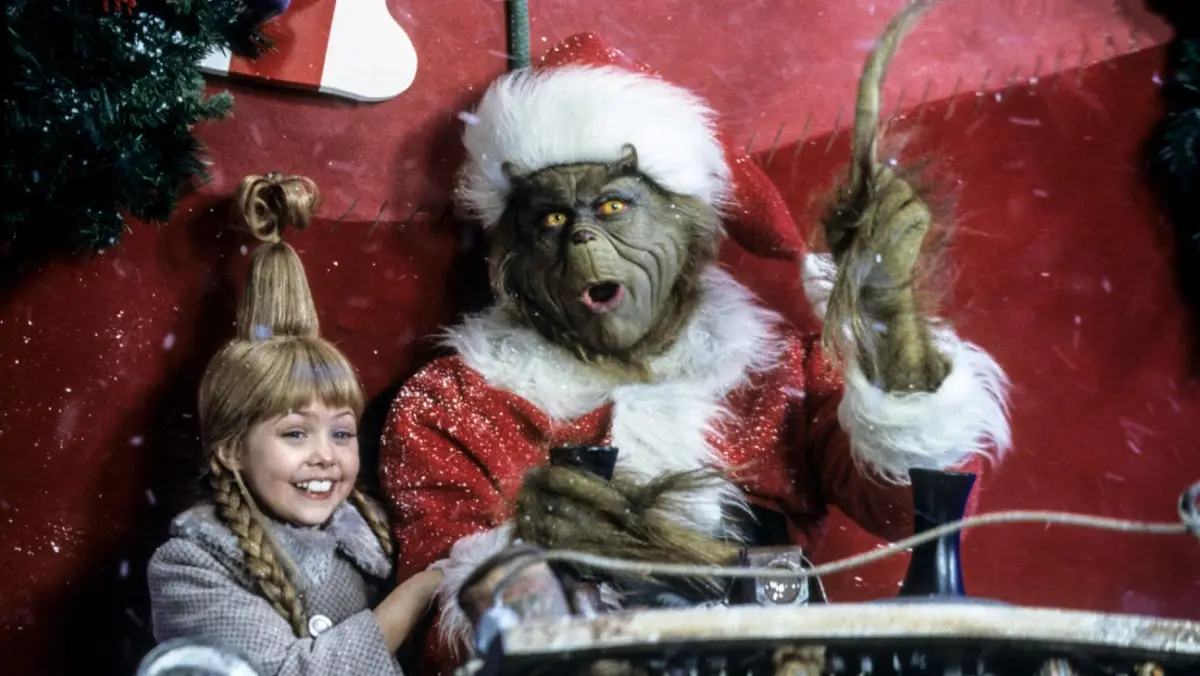
The film’s success was largely attributed to the transformative performance of Jim Carrey, whose physical comedy and ability to convey emotional depth through layers of heavy prosthetic makeup created a definitive version of the character. Alongside Carrey, the film featured Taylor Momsen as Cindy Lou Who, whose breakout performance helped anchor the fantastical elements of Whoville in a relatable, heartwarming narrative. The film was also noted for its production design, which earned Rick Baker and Gail Ryan an Academy Award for Best Makeup.
Chronology of Development
While the film has enjoyed a long afterlife on cable television and streaming platforms, talk of a sequel was dormant for many years. The momentum shifted earlier this year when reports surfaced that Universal and Imagine Entertainment had begun exploring the viability of a follow-up.
The development phase, currently in its infancy, involves a team of seasoned screenwriters—Alec Berg, Jeff Schaffer, and David Mandel—who have been tasked with crafting a narrative that respects the original source material while offering a compelling reason for a return to the world of Dr. Seuss. Despite these efforts, Howard has been candid about the current status of the project. In a recent interview, the director clarified that while the team is working diligently, a finalized script does not yet exist.
The Standard for Excellence
For Ron Howard, the hesitation to greenlight a sequel is rooted in a desire to preserve the legacy of the original. "We’re so proud of the original movie," Howard stated. "We feel so fortunate, because it takes a little bit of luck for a movie to come together and become an evergreen the way that film has. And the following, the fact that it’s become a tradition in a lot of households is something that means a great deal to all of us involved, Jim and I in particular."
This sentiment underscores a growing trend in Hollywood: the reluctance of legacy creators to revisit hit properties unless they can guarantee a product that stands on its own merits. Howard noted that he and Carrey are in total alignment regarding this strategy. The director emphasized that they are "not gonna go forward unless we believe it has a chance to be great."
Technical Challenges and Actor Well-being
One of the most significant factors in the production of the 2000 original was the physical toll it took on Jim Carrey. The elaborate prosthetic makeup required to transform the actor into the Grinch was notoriously grueling. Carrey has spoken in the past about the "claustrophobic" nature of the suit and the makeup, revealing that he had to undergo intense training—including sessions with a CIA operative who teaches agents how to survive torture—to endure the hours of application and the restrictive nature of the costume.
Howard is acutely aware of these challenges. If a sequel were to move forward, the director has expressed a desire to modernize the production process to ensure a more comfortable experience for Carrey. "He found the contact lenses and some of the makeup to be literally claustrophobic," Howard noted, recalling moments where the actor was breathing into a paper bag to manage panic attacks between takes. Future iterations would likely leverage advancements in practical effects and digital enhancements to reduce the physical burden on the performer while maintaining the integrity of the live-action physical comedy style that defined the first film.
Analyzing the Industry Context
The push for a Grinch sequel reflects a broader industry focus on established intellectual property (IP). In a competitive theatrical market, studios are increasingly looking to revisit franchises that have proven, multi-generational appeal. Dr. Seuss’s catalog has seen several adaptations in recent years, including animated features like The Lorax (2012) and The Grinch (2018). However, a live-action sequel featuring the original cast would be a distinct event, occupying a unique space in the current film landscape.
From a business perspective, the primary risk is the "sequel curse," where a follow-up fails to capture the magic of the original, potentially diluting the brand’s long-term value. By waiting for a "great" script, Howard and the producers are mitigating this risk, prioritizing the quality of the narrative over the urgency of a release date.
Creative Vision and Future Outlook
Despite the caution, there is genuine enthusiasm from the production team. Howard noted that the ideas currently being explored are "very much in keeping with the spirit of Dr. Seuss, his blend of comedy and fantasy." The goal is not merely to replicate the first film but to expand upon the world of Whoville in a way that feels organic.
The collaboration between Howard, Carrey, and the writing team of Berg, Schaffer, and Mandel suggests a high level of talent dedicated to the project. As they move forward, the focus will remain on whether they can achieve the "little bit of luck" required to recreate the alchemy that made the original film a success.
For fans of the 2000 classic, the prospect remains a "wait and see" scenario. There are no definitive timelines for production, and no official commitment has been made by either the studio or the talent. However, the fact that these conversations are occurring between the key architects of the original film indicates that there is a sincere, albeit measured, interest in revisiting one of the most iconic Christmas characters in cinematic history.
As Howard concluded, "We’re gonna move cautiously but hopefully toward another movie because we both believe in the premise. With a little luck, we’ll get to revisit that world." Whether or not that visit occurs, the existing film continues to hold its place as a staple of holiday viewing, a testament to the enduring appeal of the Grinch and the collaboration that brought him to life.
Implications for Future Adaptations
The ongoing saga of the potential Grinch sequel serves as a case study in how major studios approach legacy content. The emphasis on the script as the primary arbiter of the project’s future is a shift away from the "production-first" models often seen in franchise filmmaking. If successful, this approach could set a precedent for how other beloved 20th-century properties are treated, potentially leading to higher-quality sequels that prioritize narrative coherence and actor well-being.
As the industry watches to see if the Grinch will indeed make a return, the focus remains on the balance between commercial viability and creative integrity. For now, the "mean one" stays in his cave, but the door remains firmly ajar for a potential return, provided the right story emerges to bridge the gap between two generations of holiday moviegoers.