The release of Netflix’s animated feature Steps represents a notable pivot in contemporary family entertainment, trading the standard, cookie-cutter musical formulas of traditional fairy tales for a hybrid landscape of high-energy pop anthems and sophisticated orchestral scoring. While the film initially entered early development cycles as a full-blown traditional musical, its creative evolution led directors Alyce Tzue and John Ripa to recalibrate the project into a modernized, culturally rich Cinderella remix. At the emotional center of this transformation is a distinct sonic identity crafted by Oscar-winning composer Kris Bowers and New Jersey-based indie-pop artist Emei, alongside contributions from Grammy nominee Justin Tranter and K-pop megastar JENNIE of BLACKPINK.
The resulting soundtrack, which became available across all major streaming platforms alongside the film’s global premiere on November 20, offers an intricate study in how modern animation utilizes divergent musical genres to flesh out character psychology, narrative subtext, and world-building depth.
Production Chronology and the Evolution of a Soundscape
The developmental trajectory of Steps spans several years, marked by milestone presentations at industry events such as the Annecy International Animation Film Festival, where early concept art and narrative sketches first introduced audiences to the project’s unique visual and thematic language. Initially conceived as a conventional musical where dialogue effortlessly segued into song-and-dance numbers, the production team ultimately recognized that a more grounded, dynamic approach would better serve the story of Lilith, voiced by Ali Wong.
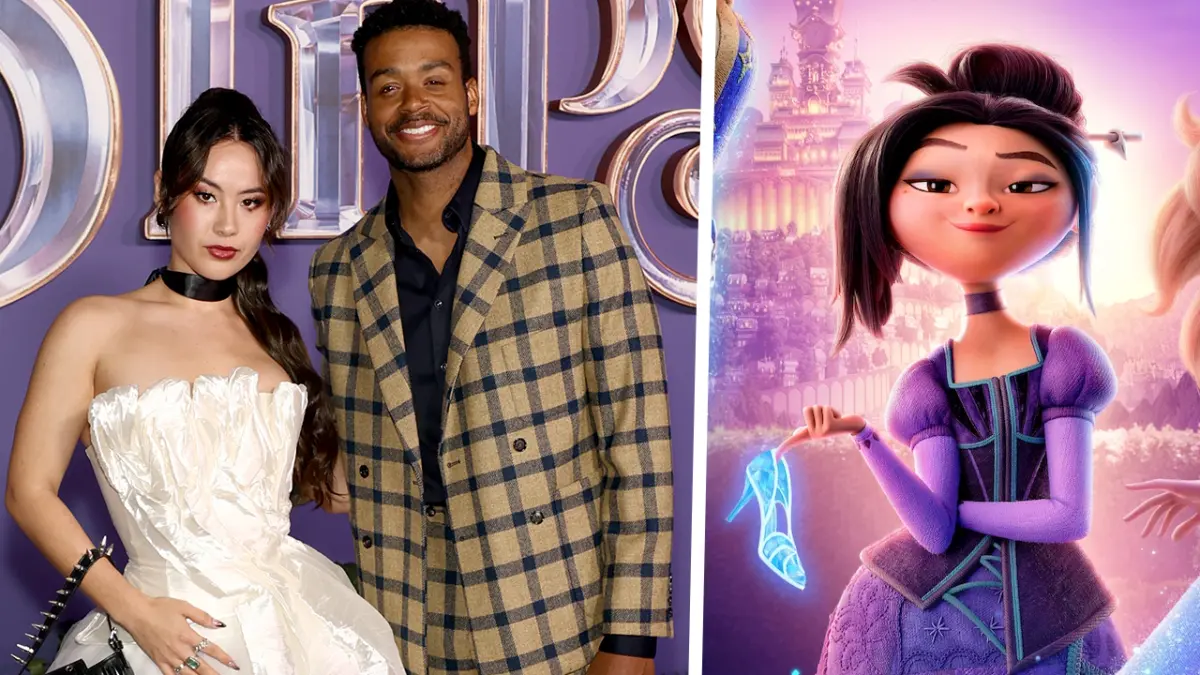
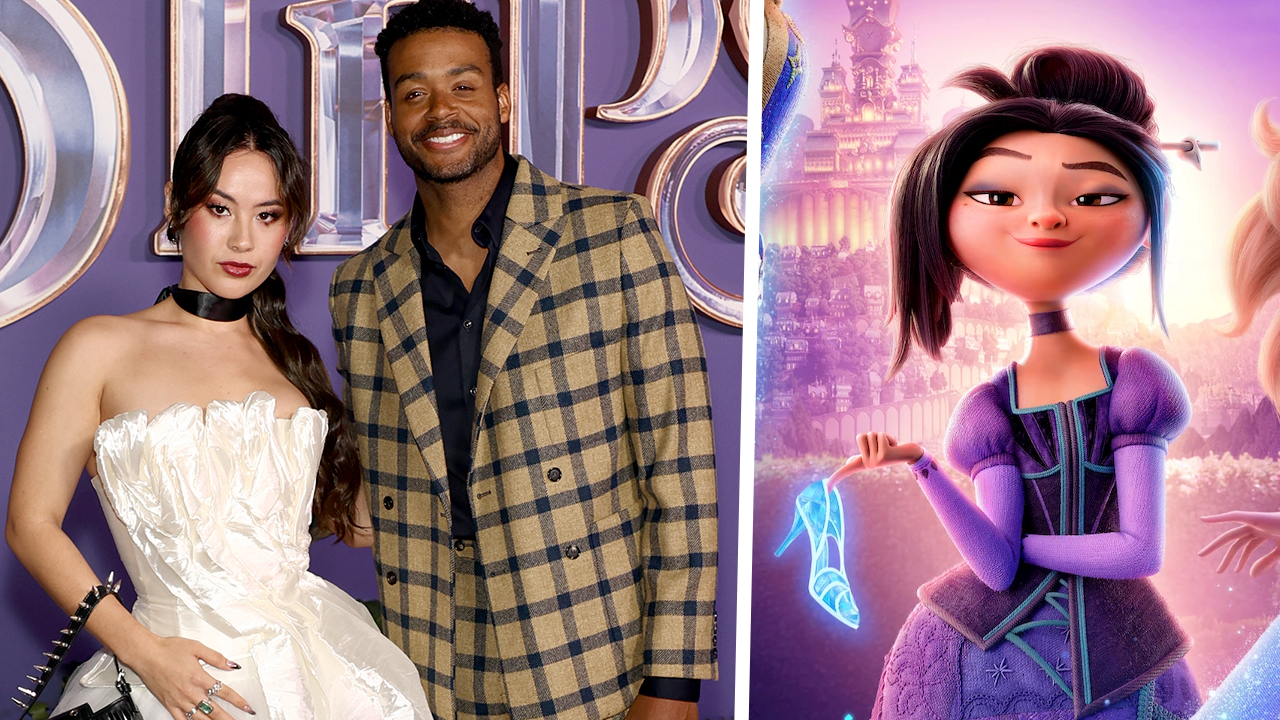
Lilith is far from a traditional princess archetype; she presents as a guarded, goth-punk figure whose tough exterior masks a deep-seated desire for belonging, sisterhood, and visibility. To capture this duality without leaning entirely into the traditional musical format, directors Tzue and Ripa brought in distinct musical forces who could operate in tandem. Kris Bowers signed on for a year-and-a-half tenure to compose the original score, recorded meticulously at the legendary Abbey Road Studios. Simultaneously, songwriter Justin Tranter and artists like Emei were tapped to produce standalone pop tracks that could live both inside the narrative world and as commercial releases.
This division of labor allowed the production to bypass the tonal whiplash that often plagues hybrid animated features. Instead of forcing characters to break into spontaneous song, the film relies on Bowers’ orchestral cues to navigate the emotional architecture of the scenes, while contemporary pop tracks—most notably the grunge-infused techno-punk anthem Understudy by Emei—externalize Lilith’s internal defiance and adolescent armor.
Scoring the Vulnerability: Kris Bowers at Abbey Road
For Kris Bowers, whose previous credits range from the sweeping Regency-era melodies of Bridgerton to the intricate animated soundscapes of The Wild Robot, the challenge of Steps lay in shifting fluidly between micro-level emotional intimacy and macro-level cinematic adventure.
Bowers has noted that one of his earliest entry points into the film’s musical vocabulary occurred during a quiet, pivotal scene involving a dress. Rather than relying on sweeping, traditional romance tropes, Bowers grounded the moment in delicate piano cues. This sequence serves as a turning point for Lilith, marking the exact moment she lowers her defenses and confronts the vulnerabilities she has spent years shielding. By establishing Lilith’s core melodic theme during this sequence, Bowers created a versatile musical anchor that could be subbed, inverted, or expanded throughout the remainder of the narrative.
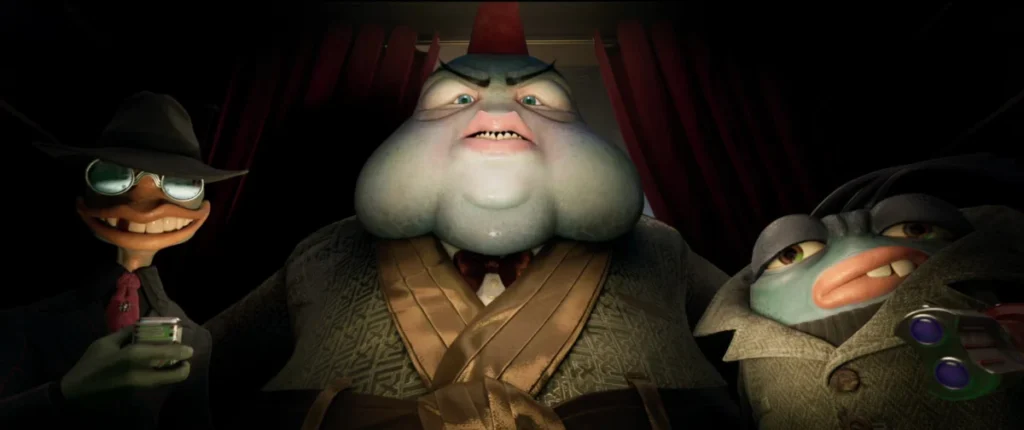
Conversely, the score scales up dramatically when the narrative ventures into Trolltown—a visually chaotic, high-octane domain inhabited by characters who operate like a biker gang mounted on giant goats. For a sequence involving a high-stakes goat heist, Bowers leaned into a playful, self-aware homage to spy thrillers, utilizing a Mission: Impossible-style sonic framework complete with tension-building percussion and espionage-coded arrangements.
The logistical rollout of the score required careful calibration with studio executives. Early in the production process, Bowers composed an extensive eight-to-nine-minute theme suite that traced the fractured sisterhood at the heart of the film’s early storm drain sequence. While studio stakeholders initially expressed concern that the primary theme’s melancholy undertones might prove too heavy for a mainstream animated feature, Bowers utilized the suite to demonstrate how the foundational melody could be dynamically reinterpreted. By showcasing how the sad core could morph into playful, triumphant, and positive variations for different characters, Bowers successfully secured institutional buy-in from Netflix’s animation department, setting a clear sonic standard for the rest of production.
Giving Voice to the Armor: Emei and the Pop Landscape
While Bowers charted the emotional subtext beneath the surface, pop musician Emei was tasked with giving direct voice to Lilith’s external persona. Collaborating with Justin Tranter—who wrote and produced four original songs for the soundtrack—Emei contributed the track Understudy, a composition defined by its grunge-edged production, techno-punk rhythms, and defiant vocal delivery.
The artistic alignment between the musician and the material was forged through shared cultural touchstones. Emei and director Alyce Tzue both share New Jersey roots and Chinese-American heritage, a background that informed the subtle cultural nuances woven into the protagonist’s journey. According to Emei, this shared foundation allowed for an immediate emotional connection to the storyline upon reviewing the initial storyboard sketches at the studio’s offices.
Unlike many high-profile commercial songwriting assignments for major corporate entities—where artists frequently navigate rounds of iterative revisions and studio notes—the creation of Understudy moved with surprising velocity. Entering the studio alongside Tranter, Emei completed the track in a single day. To the musician’s initial astonishment, the production team approved the song without requesting substantial changes, cementing a rare instance of creative synergy between an indie-pop artist and a major streaming conglomerate’s IP strategy.
Broader Industry Implications and Commercial Reception
The release of Steps and its accompanying companion album—headlined by K-pop icon JENNIE—illustrates a broader shift in how streaming platforms merchandise original animated content. Rather than relying solely on a singular, homogeneous musical style to drive the narrative, studios increasingly favor a bifurcated approach: pairing a prestige, orchestral film score with commercially viable, genre-diverse pop crossovers designed to capture cross-demographic market share.
This strategy not only broadens the commercial appeal of the soundtrack across platforms like Spotify, Apple Music, and YouTube, but it also elevates the artistic credibility of the animation itself. By entrusting industry veterans like Bowers and contemporary hitmakers like Tranter and Emei with distinct storytelling responsibilities, Netflix has positioned Steps as a stylistic bridge between traditional fairy-tale adaptations and modern, character-driven narrative art.
As Steps and its soundtrack continue to stream worldwide, the reception of its audio-visual architecture suggests that audiences and critics alike are responding favorably to animated features that refuse to rely on formulaic musical tropes, opting instead for a layered, culturally resonant, and emotionally complex sonic identity.