The true crime genre has experienced an unprecedented surge in popularity over the past decade, dominating podcast charts, streaming platforms, and bestseller lists. However, this commercial boom has run parallel to an escalating ethical debate regarding how society consumes real-life tragedies. While contemporary true crime media—such as dramatizations of crimes committed by Jeffrey Dahmer or the Menendez brothers—frequently draws immediate condemnation from surviving family members and advocacy groups for sensationalism and exploitation, a quieter debate persists concerning crimes of the distant past. Historical true crime, ranging from the Victorian-era Jack the Ripper murders to 19th-century axe killings and early 20th-century organized crime, occupies a unique space in the public consciousness. As media producers increasingly adapt century-old cold cases into high-budget entertainment, legal and historical scholars are forced to re-examine the boundary between public history, education, and the commodification of human suffering.
Main Facts and the Scope of the Phenomenon
The commercial appetite for historical true crime is vast and deeply embedded in modern entertainment media. Incidents that occurred over a century ago continue to generate billions of dollars in economic activity through television series, docudramas, interactive tourism, and specialized literature. Unlike contemporary cases where living relatives can voice direct objections, historical true crime involves victims, perpetrators, and witnesses who have long since passed away.
This temporal distance creates a false sense of ethical immunity for consumers and creators alike. Media franchises routinely utilize historical figures not merely as historical subjects, but as narrative tropes. For instance, organized crime figures such as Al Capone, Arnold Rothstein, and George Remus were featured prominently in dramatic series like Boardwalk Empire, transforming real-world criminals into stylized anti-heroes. Similarly, historical atrocities, such as the 1893 Chicago World’s Fair murders committed by H.H. Holmes, have been adapted into bestselling non-fiction and incorporated as episodic conflicts in science-fiction television programs like Timeless.
Chronology of Key Historical Cases and Media Adaptations
To understand the evolution of historical true crime, it is necessary to examine how specific high-profile cases have been translated across decades into modern media formats:

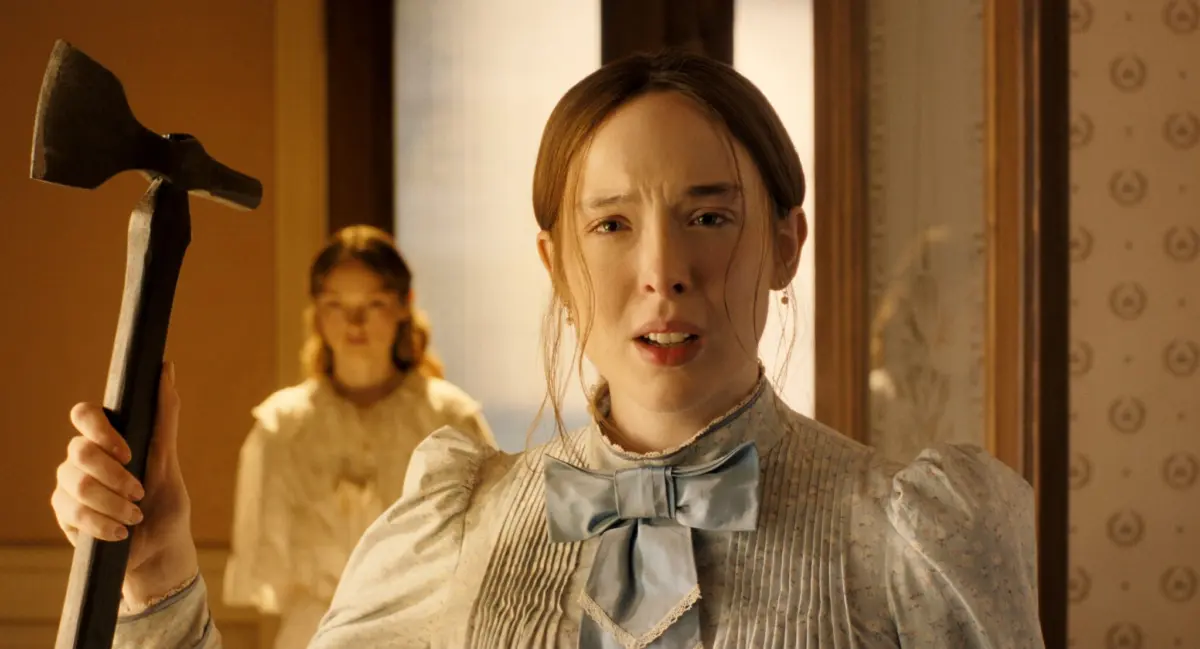
- August 1892: Andrew and Abby Borden are murdered in their Fall River, Massachusetts home. Their daughter, Lizzie Borden, is arrested and later acquitted in a sensational trial that permanently embeds itself in American folklore, eventually inspiring playground rhymes and modern television dramatizations.
- Autumn 1888: The Whitechapel murders attributed to Jack the Ripper terrorize London’s East End, claiming the lives of at least five canonical victims. Over the next 130 years, the case spawns thousands of books, films, television miniseries (such as the 1988 production starring Michael Caine), and specialized dark tourism walking tours.
- 1893: The World’s Columbian Exposition opens in Chicago, coinciding with the multi-state murder spree of H.H. Holmes, who exploits the influx of tourists. Decades later, Erik Larson’s 2003 non-fiction book The Devil in the White City revitalizes public interest in the crimes.
- 1920–1933: The Prohibition era in the United States gives rise to organized crime syndicates led by figures like Al Capone and Meyer Lansky, whose operational histories are later romanticized in cinematic epics and prestige television.
- 2019: Historian Hallie Rubenhold publishes The Five: The Untold Lives of the Women Killed by Jack the Ripper, shifting the cultural focus away from the anonymous killer and toward the complex, impoverished realities of the female victims, challenging traditional true crime paradigms.
Supporting Data and Market Metrics
The economic footprint of the true crime industry underscores its dominance in the global entertainment market. According to industry analytics, the true crime podcast and streaming sector represents a multi-billion-dollar market segment, with audience demographics skewing heavily toward adult women aged 18 to 54.
Data compiled by media research firms indicate that biographical and historical crime dramas consistently rank in the top quartile of streaming viewership upon release. For example, dramatic limited series focusing on historic murders or notorious figures routinely garner tens of millions of household views within their first 28 days on platforms like Netflix. Concurrently, dark tourism—visiting sites associated with historical murders, such as the Whitechapel district in London or Lizzie Borden’s Fall River residence (now operated as a bed-and-breakfast)—generates millions in local tourism revenue annually, demonstrating that public fascination with historical violence translates into tangible economic value.
Official Responses and Institutional Perspectives
As the line between historical documentation and sensationalized entertainment blurs, historians, archivists, and descendants of historical figures have increasingly voiced concerns over factual distortion and disrespect for the deceased.
Academic historians frequently critique the liberties taken by entertainment conglomerates. For instance, contemporary television adaptations of the Lizzie Borden murders have occasionally linked the historical figure to twentieth-century serial killers such as Aileen Wuornos—a chronological and behavioral impossibility designed purely for dramatic impact. Such creative license, critics argue, misinforms the public and distorts the historical record.
Furthermore, descendants of historical criminals or victims have occasionally spoken out against the careless handling of their ancestors’ legacies. Millicent Siegel, daughter of notorious mobster Benjamin "Bugsy" Siegel, spent decades addressing the media to correct sensationalized depictions of her father, emphasizing that the reduction of complex human beings to caricature villains or romantic anti-heroes inflicts lingering distress on family bloodlines, regardless of how many decades have passed.

Scholarly corrections have also emerged from within the historical community. Author and historian Hallie Rubenhold’s work on the victims of Jack the Ripper directly challenged the dehumanizing framing traditionally applied to Victorian sex workers. By recovering the census data, employment histories, and personal struggles of victims like Annie Chapman and Elizabeth Stride, Rubenhold illustrated how standard historical true crime narratives frequently erase the humanity of those who suffered.
Broader Impact and Implications
The implications of society’s unending appetite for historical true crime extend far beyond television ratings and publishing figures. The genre raises profound philosophical questions regarding memory, empathy, and the stewardship of the past.
When historical crimes are treated primarily as entertainment, tangible artifacts and sacred spaces can be compromised. Notably, investigative authors seeking to solve historical cold cases have occasionally damaged or destroyed century-old artifacts in pursuit of DNA evidence or artistic verification, prioritizing personal investigative closure over historical preservation. Similarly, debates surrounding the exhumation and DNA testing of human remains—such as those associated with the "Princes in the Tower" in British history—highlight an ongoing tension between scientific inquiry and the respectful treatment of historical dead.
Moreover, psychological analyses of true crime audiences suggest that the genre functions as a coping mechanism, offering consumers a simulated sense of control over random violence and existential fear. While contemporary true crime provides this psychological buffer through proximity to modern events, historical true crime abstracts the terror even further, wrapping the violence in the comforting aesthetics of antiquity, corsets, gaslamps, and sepia-toned photography.
Ultimately, the commercialization of historical tragedies forces a reckoning within public education and media production. While the passage of time inevitably dulls the raw agony of past atrocities, it does not absolve creators of the ethical responsibility to handle real human lives with accuracy and dignity. As long as historical true crime remains a dominant cultural force, creators, scholars, and audiences alike must navigate the delicate boundary between exploring the darker chapters of human history and exploiting them for modern consumption.