The landscape of modern animation continues to evolve as streaming platforms increasingly invest in features that deconstruct traditional folklore and fairy tale tropes. Netflix’s upcoming animated feature film, Steps, scheduled for a global release on November 20, offers a fresh perspective on one of Western literature’s most enduring narratives: Cinderella. By shifting the narrative lens from the classic protagonist to the historically maligned stepsisters, the film introduces themes of intersectional storytelling, marginalized perspectives, accountability, and the complexities of sibling relationships. Recently, lead voice actors Ali Wong and Stephanie Hsu sat down to discuss their involvement in the project, the unique creative processes behind bringing their characters to life, and the broader cultural significance of subverting century-old children’s stories.
Main Facts of the Production
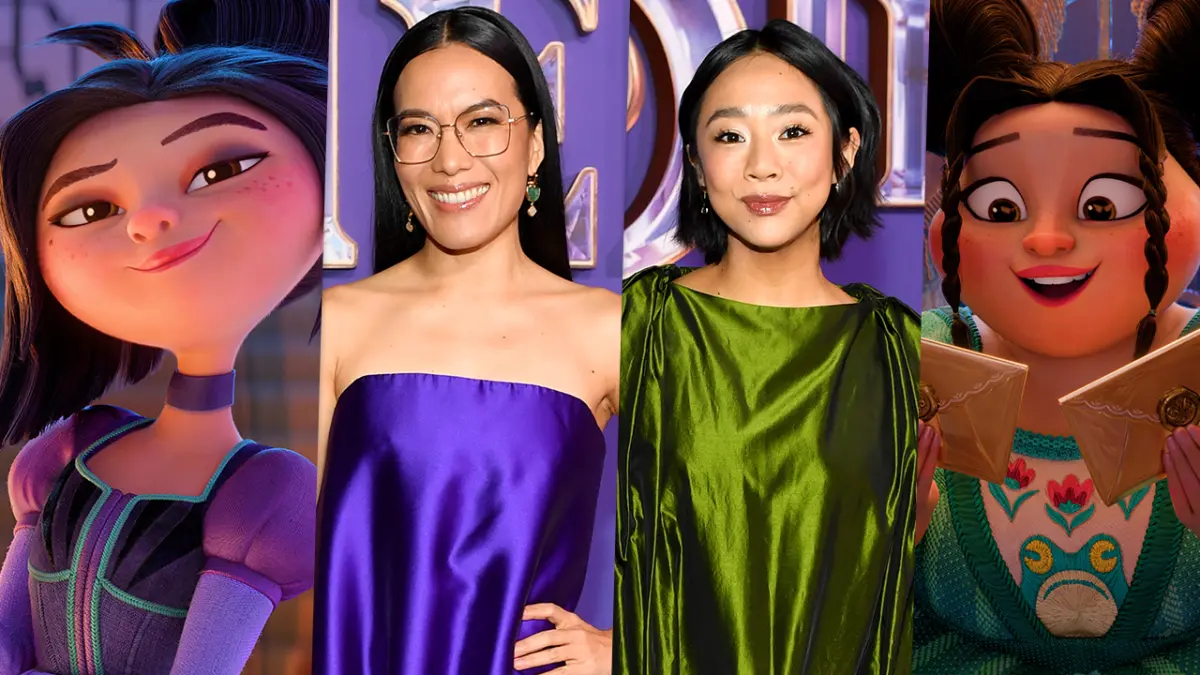
In Steps, Ali Wong lends her voice to Lilith, while Stephanie Hsu portrays her younger sister, Margot. In this contemporary revisionist fantasy, the duo are introduced to audiences not merely as the archetypal, one-dimensional "evil stepsisters" of Cinderella, voiced by Amanda Seyfried, but rather as Chinese-coded, misunderstood young women who find themselves systematically dismissed by their kingdom. The narrative catalyst occurs when Lilith steals the Fairy Godmother’s wand, an act of desperation that leads them to hijack the Royal Ball. Complications ensue when a magical mishap accidentally transforms Margot into a frog.
This inciting incident forces the sisters into an unexpected alliance and cross-country adventure alongside Cinderella. Ultimately, the film serves as an exploration of privilege, accountability, and true sisterhood. Industry analysts have noted that the project attempts to achieve the nuanced sisterly dynamics that earlier animated blockbusters, such as Disney’s Frozen, aimed for, but with a sharper focus on institutional prejudice and the politics of storytelling.
The supporting cast is anchored by legendary entertainer Bette Midler, who voices the Fairy Godmother, adding considerable theatrical weight to the production. Behind the scenes, the film is directed by Alyce Tzue and John Ripa, with a musical score composed by Kris Bowers and contributions from recording artist EMEI. Production credits also point to producer Kim Lessing, whose real-world personality unexpectedly shaped a significant portion of the character development for Margot.
Chronology and Development History
The journey of Steps to the Netflix catalog has been a multi-year collaborative effort spanning several key milestones within the global animation community. The project first generated substantial industry buzz during its extensive preview at the Annecy International Animation Film Festival, where early concept art, character designs, and thematic outlines were revealed to critics and animation enthusiasts.
As production progressed under directors Tzue and Ripa, the film underwent several structural transformations. Initially conceived along different musical and narrative lines, the project eventually transitioned away from a traditional musical format to focus more sharply on its comedic timing, emotional core, and character-driven subversions. Voice recording sessions took place over many months, allowing actors like Wong and Hsu to collaboratively shape their characters in tandem with the visual development teams.
Following a high-profile premiere event attended by the cast and crew, Netflix scheduled the official digital release of both the feature film and its accompanying soundtrack for November 20. This rollout strategy aligns with the platform’s broader push into high-profile family animation during the competitive holiday viewing season.
Supporting Data and Voice Acting Processes
The vocal performances in Steps required distinct stylistic choices from both leading actors, particularly given their extensive prior experience in the medium. Ali Wong, whose prolific voice-acting credits include the anxious songbird Bertie in Netflix’s Tuca & Bertie and leading roles in projects such as Jentry Chau vs. The Underworld, noted that Lilith stands out as a departure from her typical adult-oriented comedic persona. For Wong, the production represents a historic professional milestone: it is the first G-rated body of work she has created that is fully accessible to her own children. Despite previous guest appearances and judging roles on reality television programs like RuPaul’s Drag Race, Wong expressed considerable pride in finally delivering a family-friendly narrative that her household could experience together.
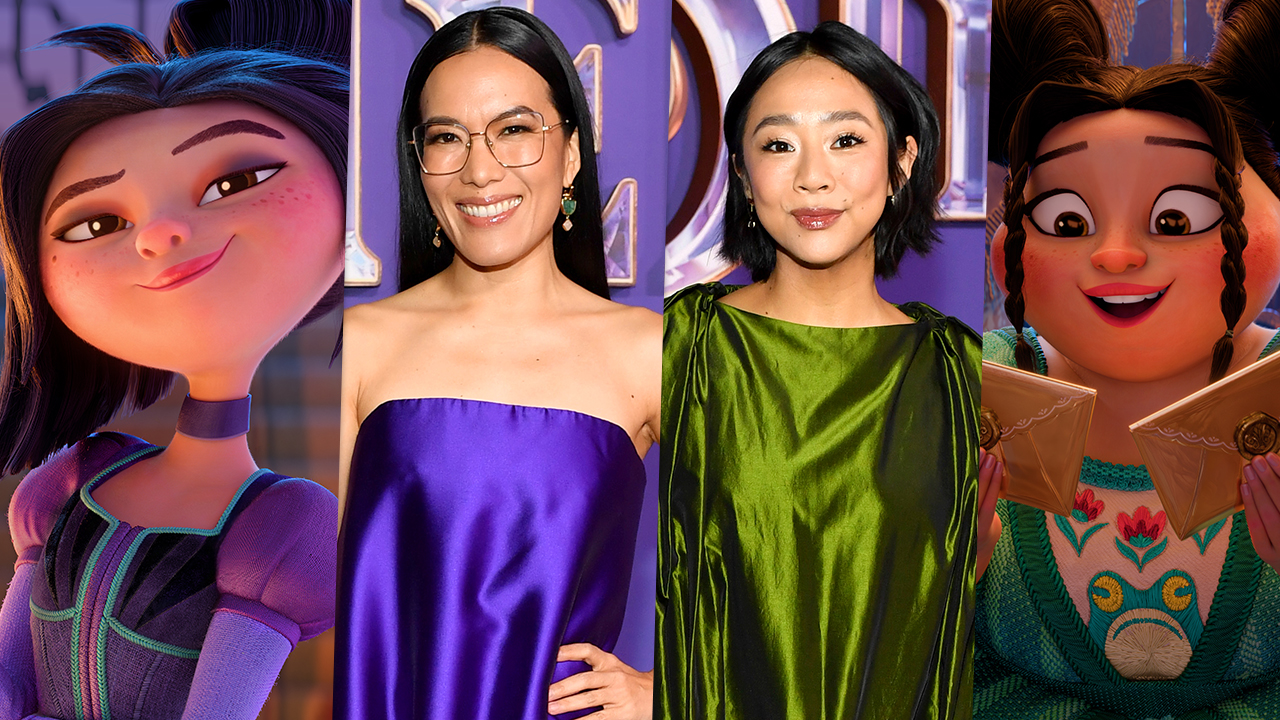
Conversely, Stephanie Hsu approached her role as Margot by leaning heavily into visual references and collaborative improvisation within the recording booth. Hsu, who recently appeared as the perfectionist older sister Ruthie in the animated comedy DANG! and stars in the forthcoming feature In Waves, found inspiration for Margot’s physical and vocal cadence by examining early character storyboards and dynamic poses.
Crucially, Hsu revealed that Margot’s distinctively bold, energetic persona was directly inspired by producer Kim Lessing. According to Hsu, Lessing’s vibrant presence in the production room—typified by her infectious humor and high-energy leadership style during recording sessions and premiere events—provided the exact behavioral blueprint needed to unlock Margot’s freewheeling, unorthodox charm. By channeling Lessing’s real-world exuberance, Hsu transformed a written outline into a fully realized, multi-dimensional character actor performance that diverges significantly from her own natural speaking voice.
Official Statements and Creative Intentions
The thematic ambitions of Steps extend far beyond standard comedic parody, aiming to spark critical conversations among young viewers and their parents regarding historical representation and narrative bias.
During discussions surrounding the film’s core message, Stephanie Hsu highlighted a pivotal scene involving Bette Midler’s Fairy Godmother reviewing the traditional storybook of Cinderella. Hsu emphasized that this specific sequence addresses foundational questions about media literacy: who controls the pen, who dictates historical narratives, and why society often accepts single-perspective tales as objective truth.
"I love that this version spins that on its head, but also shows you that the story you know is not the whole story," Hsu explained, noting the film’s reliance on context and perception. By demonstrating that individuals often misjudge others based on isolated, out-of-context moments rather than a comprehensive understanding of their circumstances, the filmmakers have embedded complex lessons about empathy into an accessible format.
Furthermore, the project intentionally confronts the nuances of privilege and community structures. Rather than presenting a rigid binary of good versus evil, the narrative reflects the complexities of real-world societies, where marginalized groups are frequently silenced or mischaracterized by institutional powers.
Broader Impact and Market Implications
The release of Steps arrives at a crucial juncture for Netflix’s animation division, reflecting a growing consumer and studio demand for culturally diverse, revisionist fairy tales. By subverting canonized Western European folklore through a culturally specific lens, the film contributes to a broader cinematic movement aimed at dismantling homogenous storytelling in family entertainment.
Industry analysts suggest that animated features prioritizing intersectional perspectives and systemic accountability resonate strongly with contemporary family audiences, who increasingly seek media that mirrors diverse societal landscapes. The involvement of critically acclaimed talent such as Wong, Hsu, Midler, and composer Kris Bowers underscores Netflix’s strategy of pairing prestige acting talent with innovative visual storytelling to capture both critical acclaim and mainstream viewership.
As family audiences prepare for the film’s November 20 premiere, Steps stands poised to influence how classic folklore is adapted for future generations. By transforming traditional antagonists into complex figures of sisterly solidarity, the film not only redefines the Cinderella canon but also establishes a new benchmark for inclusive, socially conscious children’s animation.