Udine, Italy – The Far East Film Festival (FEFF) Campus, the acclaimed journalism school integral to Udine’s prestigious Far East Film Festival, is celebrating its twelfth consecutive edition this year, marking a significant milestone in its commitment to nurturing emerging talent in film criticism and cultural reporting. Established as a robust and highly sought-after initiative, the program continues to draw a diverse pool of young journalists from around the globe, all eager to immerse themselves in the intricate world of Asian cinema and gain invaluable frontline experience. This sustained growth underscores the program’s vital role in cultivating specialized voices within the international film landscape.
A Decade-Plus of Cultivating Critical Voices
The FEFF Campus was inaugurated in [Year – inferring a start year from 12th edition in 2026, so 2015] with a clear vision: to bridge the gap between burgeoning journalistic talent and the specialized field of East Asian cinema. Recognizing the growing global interest in films from countries like South Korea, Japan, China, and Southeast Asia, coupled with the need for informed, nuanced critical discourse, the Far East Film Festival’s organizers conceived a program that would provide aspiring writers with unparalleled access and mentorship. Over the past eleven editions, the Campus has evolved into a premier incubator, distinguished by its intensive practical training, direct engagement with industry professionals, and deep dive into the unique cultural and cinematic nuances of the Far East. Its consistent operation for over a decade solidifies its status as a cornerstone initiative for the festival, demonstrating a sustained commitment to educational outreach and professional development.
The program’s success is deeply intertwined with the Far East Film Festival itself, which, since its inception in 1999, has grown into one of Europe’s largest and most respected showcases for Asian cinema. Held annually in Udine, a historic city in northeastern Italy, FEFF has earned a reputation for its eclectic programming, spanning blockbusters, independent gems, and retrospectives, thereby introducing European audiences to the rich tapestry of cinematic storytelling from Asia. The festival’s mission extends beyond mere exhibition; it actively seeks to foster cultural exchange, encourage international co-productions, and provide a vital platform for Asian filmmakers to reach wider audiences and industry stakeholders. The FEFF Campus serves as a direct extension of this mission, ensuring that the critical reception and scholarly analysis of these films keep pace with their artistic and commercial impact.
The 2026 Cohort: A Global Ensemble
This year, a select group of ten aspiring journalists has been chosen from a highly competitive pool of applicants, reflecting the program’s international appeal and rigorous selection process. The 2026 cohort represents a broad geographical spectrum, bringing together diverse perspectives from both Europe and Asia. The chosen participants are:
- Alex Petrescu (Romania)
- Annabelle Duggan (United Kingdom)
- Magdalena Nieswiec (Poland)
- Sara Domenicano (Italy)
- Vedrana Bogdanović (Serbia)
- Hanhee Oh (South Korea)
- Jia Enad (Philippines)
- Irving Ly (Vietnam)
- Rino Lu (China)
- Yasmine Chan (Hong Kong)
This geographical diversity is a deliberate and crucial aspect of the FEFF Campus, designed to foster a rich cross-cultural dialogue among participants. Students from different backgrounds bring unique critical lenses and cultural understandings to the films they encounter, enriching the overall learning experience and contributing to a more globalized perspective on Asian cinema. The inclusion of journalists from countries within Asia, such as South Korea, the Philippines, Vietnam, China, and Hong Kong, is particularly noteworthy, offering invaluable insider perspectives that complement the observations of their European counterparts.
Notably, two members of this year’s cohort, Magdalena Nieswiec and Rino Lu, have already established a professional relationship with Asian Movie Pulse, a prominent online platform dedicated to covering Asian cinema. This pre-existing collaboration underscores the quality of talent attracted to the FEFF Campus and highlights the program’s effectiveness in identifying and nurturing promising voices. Their selection for the Campus serves as a testament to their dedication and a promising indicator of the caliber of the entire 2026 team.
Mentorship Under a Veteran Lens
Leading this dynamic team, as in previous editions, will be the distinguished veteran journalist Mathew Scott. With decades of experience reporting on film, culture, and current affairs across Asia, Scott brings an unparalleled depth of knowledge and a rigorous journalistic ethos to the program. His extensive background, particularly his nuanced understanding of the Asian film industry and its socio-cultural contexts, makes him an ideal mentor for these aspiring critics. Under his expert guidance, the ten participants will gain an insider’s view of the festival’s intricate operations, from the selection process to press relations and market dynamics.
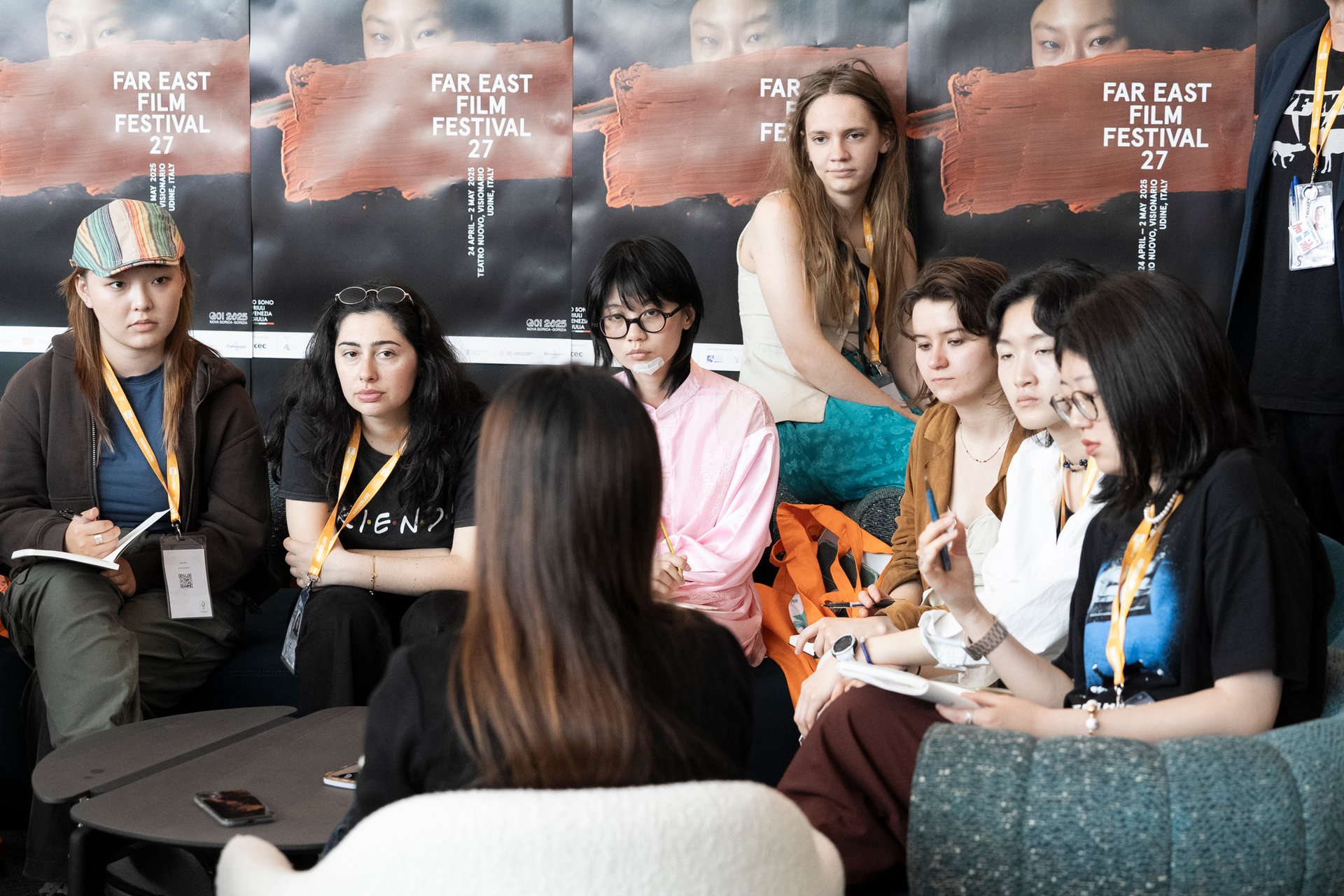
Scott’s mentorship extends beyond mere instruction; he provides real-world insights into the challenges and opportunities of contemporary film journalism. He equips the students with essential skills, including critical analysis, interview techniques, ethical reporting, and effective storytelling, all tailored to the specific demands of covering a major international film festival. His presence ensures that the FEFF Campus remains anchored in journalistic integrity and professional excellence, preparing its alumni not just to write about film, but to contribute meaningfully to the broader discourse surrounding global cinema.
An Immersive Educational Experience
The FEFF Campus program is meticulously designed to offer an intensive, hands-on learning experience that goes far beyond theoretical classroom instruction. During their time in Udine, the participants will be fully integrated into the festival’s press operations, functioning as accredited journalists. Their activities typically include:
- Extensive Film Screenings: Attending a wide array of film screenings, from hotly anticipated premieres to independent features and retrospectives, providing a comprehensive overview of contemporary Asian cinema.
- Press Conferences and Q&A Sessions: Participating in daily press conferences with filmmakers, actors, and industry representatives, learning to formulate incisive questions and distill key information.
- Exclusive Interviews: Conducting one-on-one and group interviews with prominent figures in the Asian film industry, ranging from celebrated directors to emerging talents and producers. This provides direct interaction and fosters a deeper understanding of the creative process and industry dynamics.
- Masterclasses and Workshops: Attending specialized masterclasses led by acclaimed directors, screenwriters, critics, and industry experts, offering insights into filmmaking techniques, narrative development, and critical approaches.
- Daily Writing Assignments: Producing reviews, features, interviews, and daily reports for the festival’s official publications and external media outlets, under tight deadlines, simulating the real-world pressures of professional journalism.
- Networking Opportunities: Engaging with film critics, journalists, programmers, distributors, and other industry professionals from around the world, building a vital professional network that can prove invaluable for their future careers.
This comprehensive curriculum ensures that participants develop not only their writing and critical thinking skills but also their understanding of the logistical and promotional aspects of film festivals and the global film market. The immediate application of learned concepts in a high-stakes, real-time environment is a hallmark of the FEFF Campus’s pedagogical approach.
Legacy of Legends: Learning from the Masters
A distinguishing feature of the FEFF Campus experience is the unique opportunity it offers to interact with some of Asian cinema’s most revered figures. Over the years, numerous legends of the industry have generously dedicated their time and knowledge to the Campus participants, providing invaluable insights and inspiration. These interactions are often cited by alumni as transformative experiences. Past luminaries who have engaged with the Campus team include:
- Hamaguchi Ryusuke (Japan): The acclaimed director, an Oscar winner for Drive My Car, has shared his nuanced approach to storytelling and character development, offering a window into the mind of a contemporary auteur. His presence provides a crucial link between critical analysis and creative execution.
- Yao Chen (China): A leading diva of Chinese cinema, Yao Chen has provided perspectives on the acting profession, the evolving landscape of Chinese film, and the challenges and rewards of navigating a high-profile career in a rapidly changing industry.
- Brigitte Lin (Taiwan): The iconic Taiwanese diva, known for her captivating performances across various genres, has offered a historical lens on the golden age of Taiwanese and Hong Kong cinema, sharing anecdotes and insights from her illustrious career.
- Johnnie To (Hong Kong): The legendary Hong Kong superstar director, celebrated for his distinctive style in crime thrillers, has discussed his filmmaking philosophy, the intricacies of genre cinema, and the resilience of the Hong Kong film industry.
- Sammo Hung (Hong Kong): A true titan of Hong Kong action cinema, known for his work as an actor, director, and choreographer, Sammo Hung has shared his extensive knowledge of martial arts filmmaking, stunt coordination, and the physical demands of action cinema.
These interactions go beyond mere celebrity encounters; they are intimate masterclasses where the students can directly question, observe, and learn from individuals who have shaped cinematic history. Such exposure is instrumental in broadening the participants’ understanding of film as both an art form and an industry, enriching their critical perspectives and deepening their appreciation for the cultural contexts that inform Asian cinema.
Broader Impact and Future Implications
The Far East Film Festival Campus represents a strategic investment in the future of film journalism, particularly for a niche as vital and rapidly evolving as Asian cinema. In an era where media landscapes are constantly shifting and specialized cultural reporting faces increasing challenges, programs like FEFF Campus play a crucial role in ensuring the continuity of informed and passionate critical voices.
By cultivating a new generation of journalists with a deep understanding of Asian films, the program contributes significantly to:
- Enhanced Global Understanding: It fosters cross-cultural dialogue and critical engagement, helping to dismantle stereotypes and promote a more nuanced appreciation of diverse cultures through their cinematic expressions.
- Support for Asian Filmmakers: By generating informed critical analysis and wider media coverage, the Campus indirectly supports Asian filmmakers in gaining international recognition and reaching broader audiences, facilitating distribution and festival placements.
- Diversity in Media: The program actively promotes diversity within film journalism by attracting talent from various geographical and cultural backgrounds, ensuring that critical perspectives are not monolithic but reflective of a globalized audience.
- Professional Development: It provides a proven pathway for aspiring journalists to enter a specialized field, offering practical skills, mentorship, and networking opportunities that are invaluable for career advancement. Alumni often go on to work for major film publications, festivals, and cultural institutions, specializing in Asian cinema.
- Sustainability of Specialized Journalism: In an increasingly generalized media environment, the FEFF Campus champions the importance of specialized reporting, demonstrating that in-depth knowledge and focused passion are essential for meaningful cultural commentary.
As the FEFF Campus enters its twelfth edition, its enduring success is a testament to the vision of the Far East Film Festival organizers and the dedication of its mentors and alumni. It continues to be a beacon for aspiring film journalists, illuminating the path to a career dedicated to the vibrant, diverse, and ever-evolving world of Asian cinema, ensuring that its stories are told, analyzed, and celebrated by a new generation of insightful voices. The sustained commitment to this educational initiative reinforces Udine’s position as a vital hub for cinematic discovery and critical discourse on the global stage.