Warner Bros. Pictures has officially initiated the advanced marketing phase for the third installment of Denis Villeneuve’s sweeping science-fiction saga, launching a specialized 30-second promotional trailer designed to drive early ticket sales for IMAX 70mm screenings. Scheduled for a global theatrical debut on December 18, 2026, the film, titled Dune: Part Three, serves as the concluding chapter of Villeneuve’s cinematic adaptation of Frank Herbert’s literary universe. The decision to release tickets nearly eight months in advance signals a growing industry trend toward high-demand, large-format event cinema, mirroring the strategy previously utilized for Christopher Nolan’s The Odyssey. This early availability targets a niche but fervent demographic of cinephiles who prioritize the 15-perforation, 70mm film format, which offers the highest resolution and most immersive visual experience currently available in commercial exhibition.
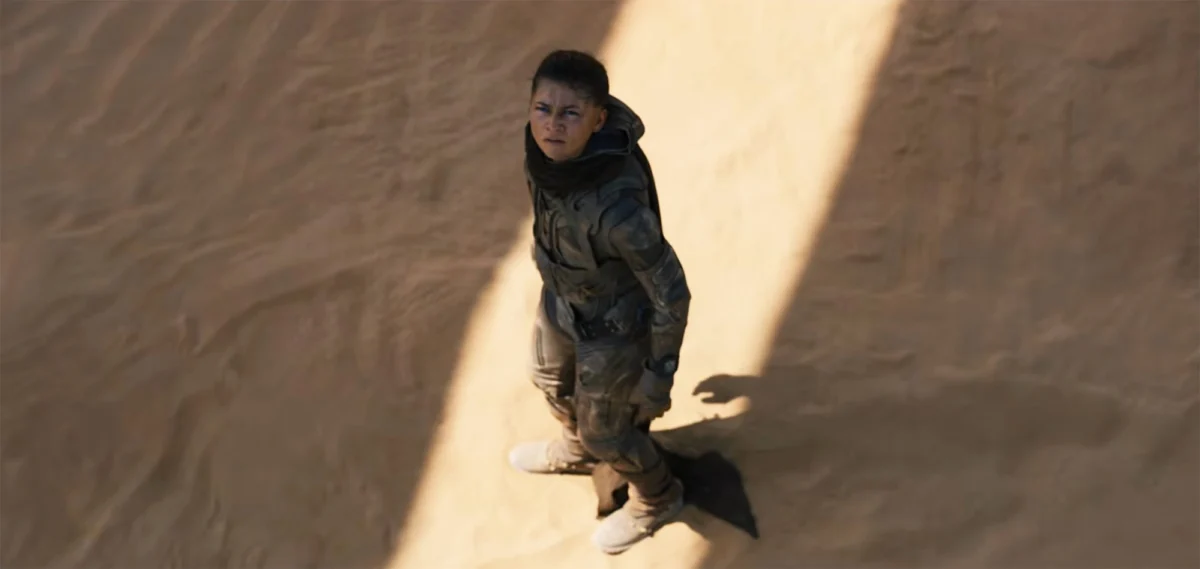
The new promotional footage, while brief, emphasizes the psychological and existential weight resting upon the protagonist, Paul Atreides, now known as Muad’Dib. "I’m not afraid to die… But I must not die – yet," Chalamet’s character intones, setting a somber tone for a narrative that promises to be significantly darker and more introspective than its predecessors. Based on Herbert’s 1969 sequel novel, Dune Messiah, the film shifts the focus from the revolutionary fervor of the Arrakis desert to the complex, often brutal machinations of an interstellar empire under the rule of a self-styled god-emperor.
Narrative Evolution: From Revolution to Empire
Dune: Part Three picks up the narrative threads left by the 2024 blockbuster Dune: Part Two. The story follows Paul Atreides, the heir to House Atreides who has ascended to the throne of the known universe. However, rather than a traditional heroic victory, the film explores the consequences of Paul’s rise to power. As the Emperor, Paul wields more influence than any individual in human history, fueled by the religious fanaticism of the Fremen who worship him as a messianic figure.
The screenplay, co-written by Villeneuve and acclaimed comic book and television writer Brian K. Vaughan, delves into the "ancient scheme" to create a superbeing—the Kwisatz Haderach. Unlike the idealistic dreams of the Bene Gesserit, Paul’s reality is one of political isolation and moral decay. The narrative explores how Paul deals with his legacy, navigating a web of conspiracies that threaten not only his reign but his personal relationships. The central conflict involves the displacement of the Great Houses and the internal rot within the new imperial court. Central to the emotional stakes is Paul’s relationship with Chani, played by Zendaya, and the looming threat to the unborn heir of the Atreides dynasty.

The IMAX 70mm Phenomenon and Marketing Strategy
The push for IMAX 70mm ticket sales nearly a year before release highlights the shift in how "prestige" blockbusters are sold to the public. Following the massive success of Christopher Nolan’s Oppenheimer, which demonstrated a significant audience appetite for celluloid-based large-format presentations, studios have recognized that the limited number of theaters equipped to project 15/70mm film creates a scarcity that can be leveraged.
By opening sales in April 2026 for a December release, Warner Bros. is essentially treating Dune: Part Three as a high-end cultural event rather than a standard film release. This strategy ensures that the most lucrative seats in the highest-fidelity auditoriums are sold out months in advance, generating early revenue and sustained "hype" throughout the year. Industry analysts suggest that this "long-lead" ticketing model may become the standard for directors like Villeneuve and Nolan, whose work is synonymous with the theatrical experience.
Cast and Production Details
The ensemble cast for Dune: Part Three combines returning stars with high-profile newcomers, creating one of the most decorated lineups in recent cinematic history. Timothée Chalamet reprises his role as Paul Atreides, joined by Zendaya as Chani and Rebecca Ferguson as Lady Jessica. A notable return is Jason Momoa as Duncan Idaho, a character whose presence in Dune Messiah is pivotal to the emotional and philosophical core of the story.
New additions to the cast have generated significant discussion among fans of the source material. Robert Pattinson joins the franchise as Scytale, a Tleilaxu Face Dancer who plays a critical role in the conspiracy against the Emperor. Anya Taylor-Joy, who made a brief cameo in Part Two, returns as Alia Atreides, Paul’s sister who possesses the memories of all her ancestors. Florence Pugh continues her role as Princess Irulan, the Emperor’s wife in name only, who serves as the historian of these world-shaping events.
The production also features:

- Isaach De Bankolé as Farok
- Charlotte Rampling as the Reverend Mother Mohiam
- Javier Bardem as Stilgar
- Nakoa-Wolf Momoa and Ida Brooke in undisclosed new roles.
The film is produced by a veteran team including Mary Parent, Cale Boyter, Tanya Lapointe, and Denis Villeneuve himself. Brian Herbert and Kim Herbert also serve as producers, ensuring the production remains aligned with the estate’s vision for Frank Herbert’s original work.
Chronology of the Villeneuve Trilogy
The journey to Dune: Part Three has been a decade-long endeavor for Denis Villeneuve, who has long maintained that his goal was to adapt the first two books of the series into a definitive trilogy.
- Dune (2021): Introduced audiences to Arrakis and the fall of House Atreides. Despite a day-and-date release on streaming services due to the pandemic, it grossed over $400 million and won six Academy Awards.
- Dune: Part Two (2024): Focused on Paul’s integration into Fremen culture and his eventual conquest of the Harkonnens and the Emperor. It was a critical and commercial juggernaut, cementing Villeneuve’s status as a premier director of large-scale sci-fi.
- Dune: Part Three (2026): Based on Dune Messiah, this film serves as the "epic conclusion." Villeneuve has stated in interviews that while the first two films were about the "hero’s journey," the third film is a "cautionary tale" regarding the dangers of following charismatic leaders.
Technical Ambition and Visual Language
Villeneuve’s Dune series has been lauded for its distinct visual language, characterized by brutalist architecture, vast desert landscapes, and a grounded approach to futuristic technology. For Part Three, the production is expected to utilize even more sophisticated cinematography to capture the "darker and more brutal" atmosphere of the Imperial capital.
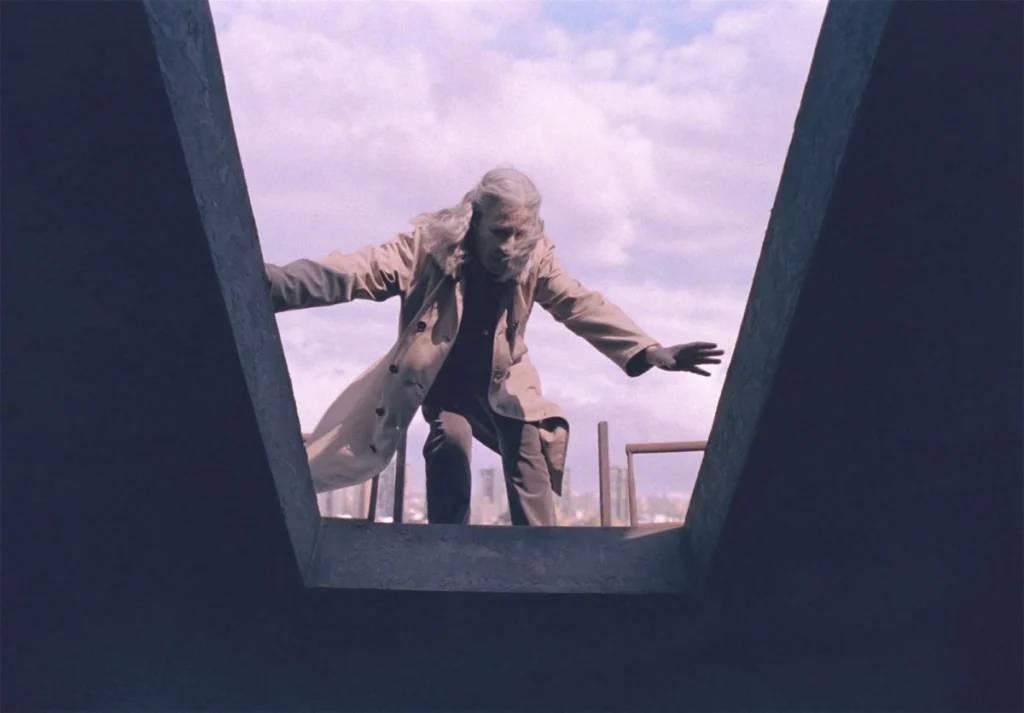
The use of IMAX 70mm is not merely a marketing gimmick but a fundamental aspect of the film’s design. The format offers a 1.43:1 aspect ratio, providing up to 40% more image on screen than standard theaters. This verticality is essential for conveying the scale of the heighliners, the sprawling palaces of Arrakeen, and the psychological isolation of the characters. The promotional trailer showcases snippets of footage that suggest a move toward more claustrophobic, high-contrast interiors, reflecting the political pressure mounting against Paul.
Broader Industry Implications
The release of Dune: Part Three in December 2026 places it in a prime holiday window, traditionally the most competitive period of the box office year. By securing IMAX screens early, Warner Bros. is effectively staking a claim on the premium large format (PLF) market, making it difficult for other end-of-year tentpoles to compete for those specific high-revenue screens.

Furthermore, the involvement of Brian K. Vaughan as a co-writer suggests a narrative structure that may bridge the gap between the philosophical density of the novel and the pacing required for a modern blockbuster. Vaughan’s experience with complex world-building (Saga, Y: The Last Man) complements Villeneuve’s visual storytelling, potentially making this the most narratively ambitious entry in the series.
The film’s focus on the "superbeing ruler among men" and the "unborn heir" points toward a conclusion that stays true to Herbert’s deconstruction of the messiah myth. In an era dominated by superhero narratives, Villeneuve’s trilogy stands as a counterpoint, exploring the tragedy of absolute power rather than its triumph.
Anticipation and Reception
As the countdown to December 18, 2026, begins, the "glorious" footage seen in the latest promo has already ignited social media discourse. Fans have noted the increased presence of Anya Taylor-Joy’s Alia and the intriguing inclusion of Robert Pattinson, whose role as a shapeshifting conspirator adds a layer of psychological thriller to the sci-fi epic.
With eight months remaining until the premiere, the film is positioned not just as a sequel, but as the final movement of a cinematic symphony. The early ticket launch serves as a testament to the studio’s confidence in Villeneuve’s vision and the audience’s enduring fascination with the sands of Arrakis. For those seeking the definitive version of this story, the 70mm IMAX tickets represent the "golden path" to experiencing the conclusion of the Atreides legacy.