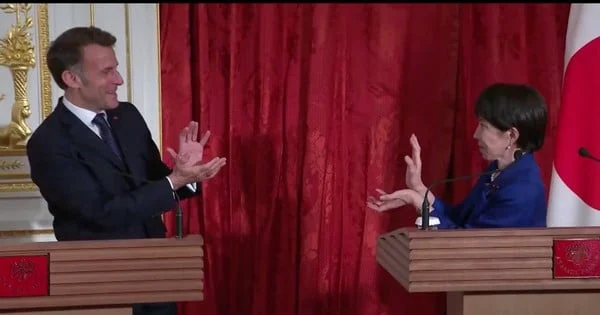
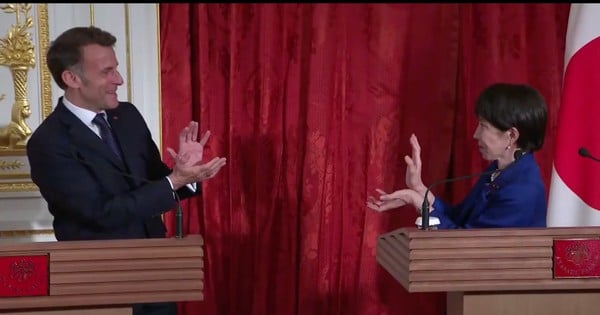
April Fool’s Day 2026 may have passed, but the spirit of playful camaraderie between Japan and France has been cemented in a truly remarkable moment that transcended diplomatic norms and captured global attention. In an unprecedented display of cross-cultural engagement, Japanese Prime Minister Sanae Takaichi and French President Emmanuel Macron jointly performed the iconic "Kamehameha" energy wave attack, a signature move from the immensely popular anime series Dragon Ball. This surprising exhibition took place during a joint press conference held in Japan, a testament to the evolving nature of international diplomacy and the power of shared cultural touchstones.
A Diplomatic Premiere: The Genesis of the Kamehameha Gesture
The initiative for this unique diplomatic gesture reportedly stemmed from Prime Minister Takaichi. Sources suggest that during discussions on strengthening bilateral ties and fostering a sense of shared optimism, the idea of incorporating a universally recognized symbol of power and unity was proposed. Dragon Ball, with its global reach and enduring legacy spanning decades, emerged as a natural choice. The Kamehameha, representing friendship, determination, and the overcoming of challenges, resonated deeply with the desire to project a positive and forward-looking image for both nations.
President Macron, known for his appreciation of Japanese culture and his willingness to engage with younger generations through digital platforms, readily embraced the suggestion. His subsequent social media post, a short video clip showcasing the synchronized Kamehameha pose with Prime Minister Takaichi, quickly went viral. The footage, shared on April 1, 2026, depicted the two leaders standing side-by-side, their hands outstretched in the familiar stance, evoking the beloved anime characters. The accompanying caption, though in Japanese, conveyed a sense of lightheartedness and mutual respect. This visual, broadcast to millions worldwide, instantly became a symbol of the unexpected yet effective ways diplomacy can manifest in the 21st century.
The Ripple Effect: French Embassy Joins the Fray
The playful spirit did not end with the heads of state. Demonstrating a unified front and a keen understanding of the cultural impact of the event, the French Embassy in Japan swiftly followed suit. On April 3, 2026, the embassy released a photograph featuring its staff members enthusiastically replicating the Kamehameha pose. This action served a dual purpose: it paid homage to President Macron’s visit and underscored the strong, friendly diplomatic relations between France and Japan. The image, shared on the embassy’s official social media channels, further amplified the positive sentiment and highlighted the grassroots enthusiasm for this unique diplomatic initiative. It showcased a unified embassy staff, eager to participate in and promote cross-cultural understanding.
Macron’s Long-Standing Appreciation for Dragon Ball
This moment of shared cultural expression is not an isolated incident for President Macron. His affinity for the Dragon Ball franchise is well-documented. Following the profound loss of Dragon Ball creator Akira Toriyama in March 2024, President Macron was among the prominent figures who expressed their condolences and paid tribute to his immense artistic legacy. At that time, Macron shared an illustration he had received from Toriyama himself, featuring the iconic characters Son Goku and Majin Buu. His accompanying message on social media expressed solidarity with Toriyama’s "millions of fans who grew up with him," a sentiment that resonated deeply within the global anime and manga community. This earlier gesture already established Macron as a leader who understood and valued the cultural significance of Japanese popular culture, making his participation in the Kamehameha pose a natural extension of his established appreciation.
Contextualizing the Event: The Power of Soft Diplomacy
The joint Kamehameha pose between Prime Minister Takaichi and President Macron can be viewed as a potent example of "soft diplomacy" in action. In an era where traditional diplomatic channels are often supplemented by public engagement and cultural exchange, such gestures hold significant weight.
- Cultural Diplomacy: By embracing a universally recognized element of Japanese popular culture, both leaders effectively bridged cultural divides. This resonated not only with anime enthusiasts but also with a broader audience who recognized the playful and unifying nature of the act. It demonstrated a willingness to engage with global cultural trends, fostering a more relatable and accessible image for international relations.
- Youth Engagement: The popularity of anime and manga among younger demographics makes this a particularly effective way to connect with future leaders and citizens. By engaging with a beloved cultural phenomenon, Japan and France signaled their understanding of and respect for the interests of younger generations, potentially fostering greater engagement with international affairs.
- Bilateral Relations: The act served as a powerful symbol of the strong and friendly relationship between Japan and France. In a world often characterized by geopolitical tensions, such displays of unity and shared enjoyment can contribute to a more positive and cooperative international landscape. It showcased a willingness to collaborate and find common ground, even in unconventional ways.
- Economic Implications: While not the primary goal, the increased visibility and positive sentiment generated by such an event can indirectly benefit tourism and cultural exchange. A nation perceived as culturally vibrant and approachable is often more attractive to visitors and international partners.
A Broader Trend: Pop Culture in International Relations
The integration of pop culture into diplomatic efforts is not entirely new, but this particular instance stands out for its high-profile nature and the specific cultural element chosen. In recent years, various governments have recognized the power of anime, manga, video games, and other forms of popular culture to enhance their international appeal and foster goodwill.
- Japan’s "Cool Japan" Initiative: Japan has long championed its pop culture exports as a key component of its foreign policy and economic strategy through initiatives like "Cool Japan." This initiative aims to promote Japanese culture and creativity worldwide, and the Kamehameha gesture aligns perfectly with these objectives.
- Global Appeal of Anime: The global market for anime continues to expand exponentially, with billions of dollars in revenue generated annually. This widespread appeal makes it a potent tool for international outreach. The fact that a major Western leader like President Macron is a vocal fan further underscores the cultural significance of the medium.
- Social Media Amplification: The immediate dissemination of the event through social media platforms like X (formerly Twitter) ensured its global reach and impact. The viral nature of such content allows diplomatic moments to transcend traditional media cycles and engage directly with a vast online audience.
Looking Ahead: The Legacy of the Kamehameha Diplomacy
The joint Kamehameha pose by Prime Minister Takaichi and President Macron is more than just a fleeting April Fool’s joke. It represents a significant moment in contemporary diplomacy, demonstrating the evolving landscape of international relations and the increasing importance of cultural understanding and engagement. It highlights how humor, shared interests, and popular culture can be powerful tools for strengthening bilateral ties and projecting a positive global image. As nations navigate an increasingly complex world, such innovative and culturally resonant approaches to diplomacy may become even more crucial in fostering cooperation and building bridges of understanding. The legacy of this playful yet profound gesture is likely to inspire future diplomatic endeavors, proving that sometimes, a well-executed anime pose can speak volumes.