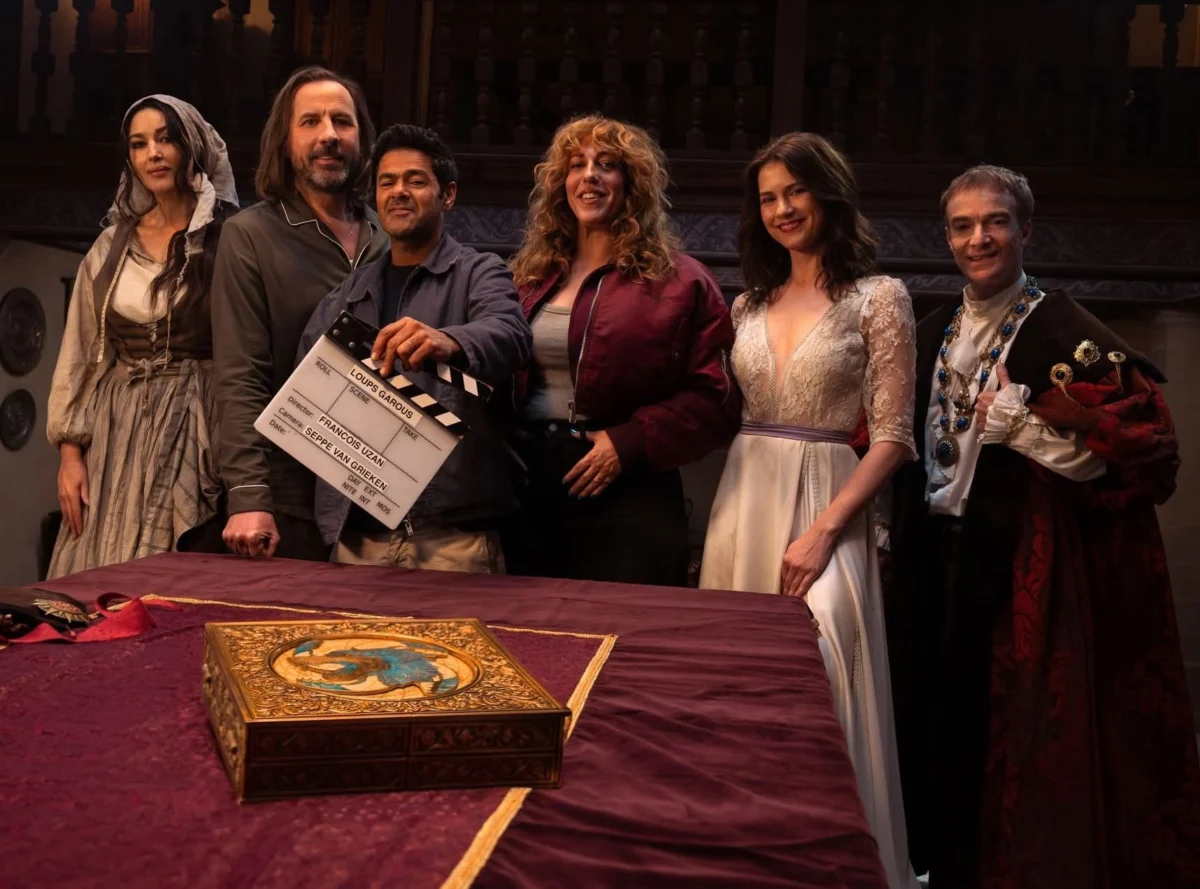
Netflix is expanding its unique time-traveling werewolf universe with the official commencement of production for Family Pack 2: Renaissance, a sequel to the successful 2024 French fantasy-comedy Family Pack, known in its local market as Loups-garous. Filming began on April 7th, signaling a significant investment in French original content. However, fans anticipating the return of the original cast from the first installment are in for a significant shift, as the sequel embraces an anthology format, introducing an entirely new ensemble of top-tier French talent and transporting audiences to a distinct historical era.
The announcement of Family Pack 2: Renaissance and its fresh cast marks a strategic move for the streaming giant, building on the unexpected global success of its predecessor. Pauline Dauvin, Vice President of Netflix France overseeing local original content, had previously hinted at a "completely new, very event-driven cast" composed of "top-tier French talents of very high notoriety." As of April 20th, Netflix has unveiled this impressive new lineup, confirming a roster of acclaimed actors poised to bring the 16th-century iteration of the werewolf game to life.
A New Dawn for the "Werewolf Universe": Embracing the Anthology Model
The decision to pivot to an anthology structure for Family Pack 2: Renaissance is a calculated one, allowing the franchise to reinvent itself with each installment. Unlike traditional sequels that typically follow the same characters, this approach enables a boundless exploration of historical periods and cultural backdrops, aligning perfectly with the adaptable nature of the Les Loups-Garous de Thiercelieux board game upon which the films are based. This strategy was explicitly articulated by Pauline Dauvin in an exclusive interview with Ouest-France in March 2026, where she highlighted the creative freedom afforded by time travel. "What is great with this franchise is that it allows us to recreate a new universe each time by traveling through time," she explained, underlining Netflix’s vision for a dynamic and perpetually fresh series.
This model has proven successful for other popular franchises in the streaming landscape, such as American Horror Story or The Haunting of Hill House, which maintain thematic continuity while introducing new narratives and characters. For Family Pack, it means that the core concept of a social deduction game involving hidden werewolves can be transplanted into drastically different historical contexts, offering endless possibilities for comedic situations, cultural satire, and fantastical elements. By setting Family Pack 2: Renaissance in 1515, right under the reign of King François I, the production promises a rich tapestry of historical detail intertwined with the inherent humor and tension of the werewolf game. This not only keeps the franchise engaging but also broadens its potential audience, appealing to viewers interested in historical settings as much as fantasy-comedy.
A Star-Studded Ensemble: Netflix Secures Major French Talents
The unveiled cast for Family Pack 2: Renaissance is a testament to Netflix’s growing influence in the French entertainment industry and its ability to attract high-caliber talent. Headlining the ensemble are two internationally recognized figures, Monica Bellucci and Jamel Debbouze, whose participation marks a significant coup for the streaming platform.
Monica Bellucci, an iconic Italian actress celebrated for her striking beauty and captivating performances across global cinema, is making her proper Netflix debut in this production. While she had a guest role in a few episodes of Call My Agent! (a Netflix global original), Family Pack 2: Renaissance represents her first direct casting in one of Netflix’s self-produced projects. Bellucci’s illustrious career spans decades, with notable roles in films like The Matrix Reloaded and Revolutions, Malèna, and Spectre, cementing her status as a European cinema legend with widespread international appeal. Her involvement signals a significant artistic endorsement for the project and for Netflix’s French content strategy.
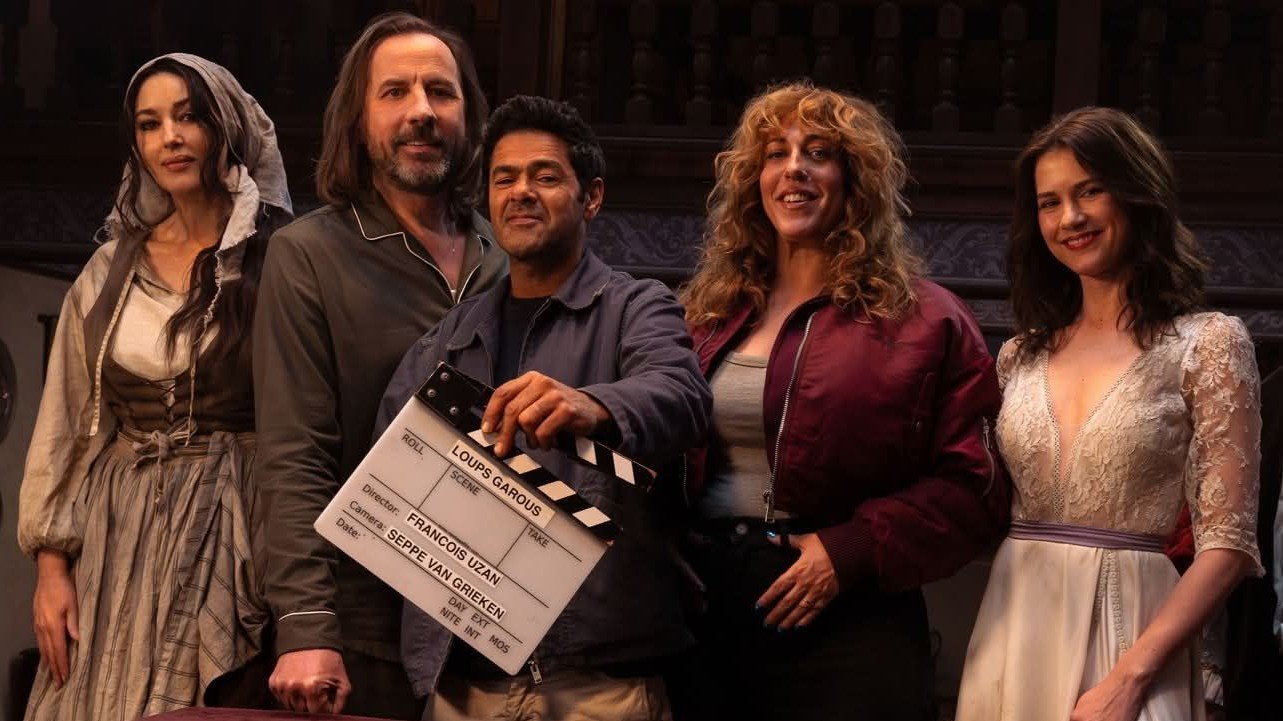
Alongside Bellucci is Jamel Debbouze, a towering figure in French comedy and cinema for over two decades. Known for his unique comedic style, improvisational prowess, and impactful dramatic performances, Debbouze has largely maintained a strong allegiance to Canal+, where he successfully hosted and produced the influential unscripted format Jamel Comedy Club and, more recently, the sitcom Le Terminal. His transition to a major Netflix original film underscores the platform’s allure for top-tier French artists. Debbouze’s signing follows other prominent French superstars like Gad Elmaleh and Dany Boon, indicating a concerted effort by Netflix’s French unit to consistently bring major domestic stars into its fold, further solidifying its competitive edge in the local market.
The cast further boasts Fred Testot, a highly sought-after actor known for his versatility in both comedic and dramatic roles. French audiences widely recognize him for his dynamic partnership with Omar Sy as part of the beloved comedy duo Omar & Fred in the early 2000s. While Testot lent his voice to Alain Chabat’s latest Astérix miniseries, Family Pack 2: Renaissance marks his first on-screen project for Netflix. His presence adds another layer of established comedic talent to the ensemble.
Rounding out the supporting cast are Alexandra Roth, known for her work in films like French Lover, and Alice Dufour, who recently starred in the TF1 period series Montmartre. Both actresses have built substantial careers in French film and television, contributing to the depth and quality of the ensemble. Additionally, well-known comedians Alban Ivanov and R. Jonathan Lambert are set to appear in supporting roles, promising further comedic flair. While their specific characters remain undisclosed, the continuity in creative leadership is assured with François Uzan (Lupin, Flunked) returning as both director and writer, and Radar Films maintaining its role as the production company from the first film. This blend of new and familiar creative forces suggests a consistent vision for the expanding "werewolf universe."
Journey to the French Renaissance: The 1515 Setting
The narrative thrust of Family Pack 2: Renaissance will transport its characters and the immersive werewolf game into the year 1515, a pivotal moment in French history. This leap from the 1497 setting of the first film plunges the story into the heart of the French Renaissance, directly under the charismatic and influential rule of King François I. This era, characterized by significant cultural, artistic, and political shifts, offers a rich backdrop for the film’s fantastical elements and comedic potential.
The year 1515 itself is iconic in French history, primarily associated with François I’s decisive victory at the Battle of Marignano, which solidified his reputation as a warrior king and marked the beginning of his influential reign. This period was a golden age for the arts and sciences in France, with François I acting as a major patron, famously inviting Leonardo da Vinci to his court. The societal norms, superstitions, and political intrigues of this time—including the burgeoning humanism alongside persistent belief in witchcraft and supernatural phenomena—provide a fertile ground for the werewolf narrative. The contrast between the era’s grandiosity and the inherent absurdity of a hidden werewolf game promises both historical authenticity and comedic anachronism, a hallmark of the franchise’s appeal. The shift from the late 15th century to the early 16th century allows for a distinct visual and thematic palette, differentiating the sequel significantly from its predecessor and fully leveraging the anthology format’s potential.
The Surprising Success of Family Pack (Loups-garous): A Global Phenomenon
The greenlight for Family Pack 2: Renaissance is a direct consequence of the unexpected and enduring success of the first film, Family Pack (known locally as Loups-garous). Released during the 2024 holiday season, the Franck Dubosc-starring movie initially experienced a relatively soft start on the global streaming charts. In its first six months, it garnered 41 million views and close to 65 million hours of global viewership, numbers that, while respectable, didn’t immediately scream "blockbuster."
However, the film quickly transformed into a genuine phenomenon within France, fueled by its connection to the wildly popular social deduction board game Les Loups-Garous de Thiercelieux. This game, a cultural touchstone in France, had already seen a successful adaptation into a game show for premium channel Canal+, which itself achieved viewership records. This pre-existing, highly engaged fan base provided a strong foundation for the film’s domestic resonance. What began as a local hit soon transcended borders, eventually finding a massive global audience on Netflix.
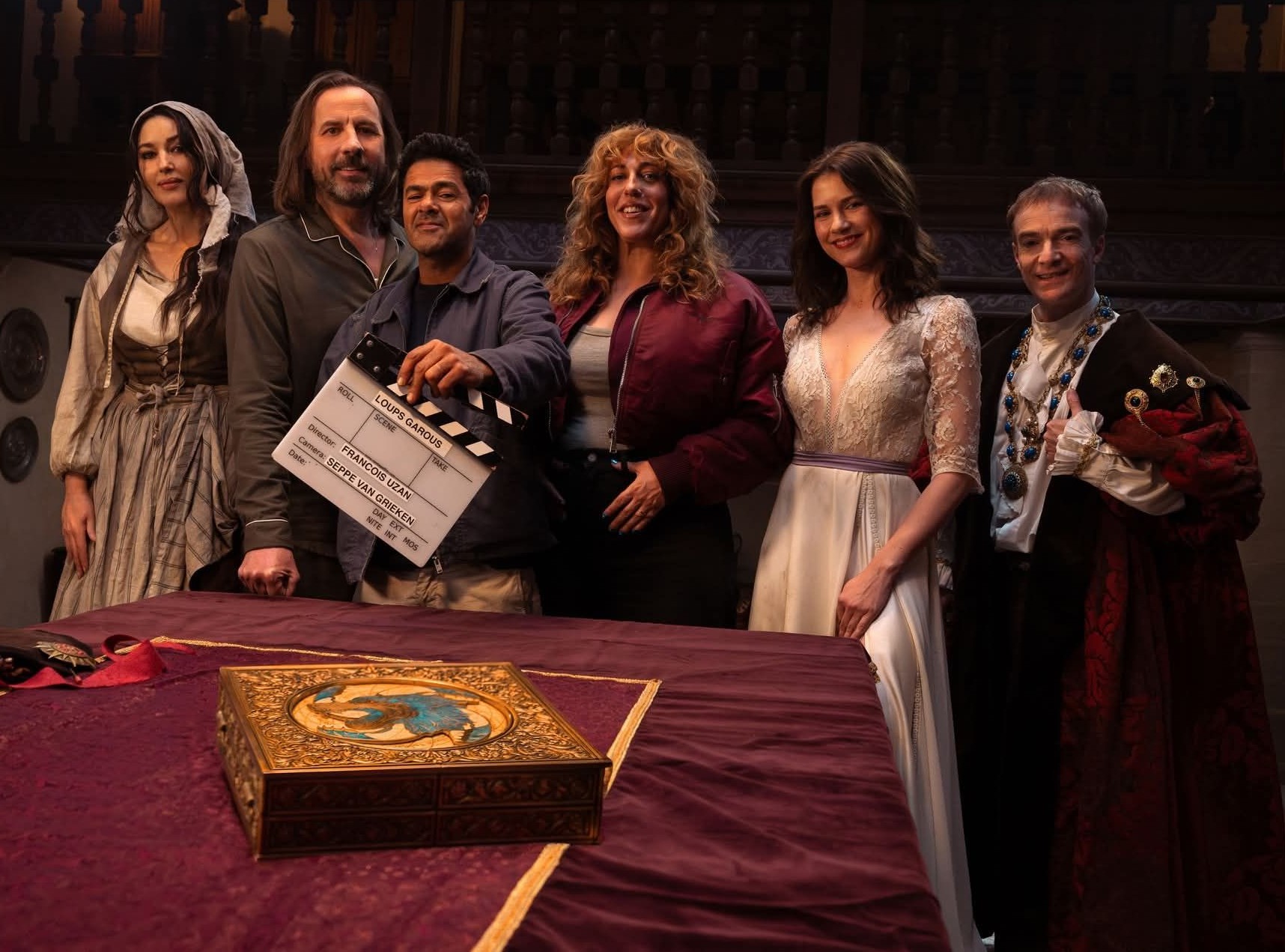
The data underscores this remarkable trajectory: Family Pack ultimately reached the global Netflix Top 10 for an impressive five consecutive weeks, a rare feat for any non-English language production, and even returned to the list a few weeks later. Its reach extended to the Top 10 in 85 countries, demonstrating its broad international appeal. The film concluded its major run with a formidable 91.5 million viewing hours, translating to an impressive 58.1 million total views globally. This commercial success is particularly noteworthy given its somewhat lukewarm critical reception, with the film holding a 5.5 rating on IMDb and a 38% on Rotten Tomatoes. This disparity highlights Netflix’s strategy of prioritizing audience engagement and completion rates over traditional critical acclaim for certain genre productions, especially those designed for family viewing or based on popular existing IPs. The long-tail success and consistent viewership metrics were ultimately the driving force behind Netflix’s decision to invest further in the franchise.
Netflix’s Strategic Investment in French Originals and Global Reach
The development of Family Pack 2: Renaissance is emblematic of Netflix’s broader strategy to bolster its international content library, particularly in key markets like France. The French market is highly competitive, with a robust domestic film industry and increasing presence of other streaming services. By investing in local productions featuring renowned French talent and leveraging culturally significant IPs like Les Loups-Garous de Thiercelieux, Netflix aims to solidify its subscriber base and expand its global content offerings.
Pauline Dauvin’s role as Vice President of Netflix France for local original content is central to this strategy. Her statements consistently emphasize the platform’s commitment to nurturing French storytelling and talent. The ability to attract actors of the caliber of Monica Bellucci and Jamel Debbouze not only enhances the prestige of Netflix’s French slate but also signals to the wider industry its seriousness about being a major player in French film production. This investment creates jobs, fosters creative talent, and contributes significantly to the French cultural economy. Furthermore, the global success of the first Family Pack demonstrates that well-executed local content has the potential to travel universally, defying language barriers and connecting with diverse audiences worldwide. This model of producing local content for global consumption is a cornerstone of Netflix’s international expansion strategy.
Production Timeline and Anticipated Release
With principal photography having commenced on April 7, 2026, Family Pack 2: Renaissance is expected to be in production for several more weeks, likely concluding by early summer. Given the fantastical nature of the film’s setting and narrative, extensive post-production work will be required. This includes significant visual effects (VFX), detailed sound design, and comprehensive editing to bring the 16th-century werewolf world to life. Such processes are often lengthy and intricate, particularly for fantasy-comedy productions that blend historical aesthetics with supernatural elements.
Consequently, a release date in late 2026 is considered highly improbable. Industry insiders and fans of the French fantasy romp should temper their expectations and anticipate Family Pack 2: Renaissance to make its debut on the streaming service sometime in early 2027. This timeline allows ample time for the creative teams to meticulously craft the film’s visual and narrative elements, ensuring a high-quality product that meets Netflix’s production standards and lives up to the expectations generated by the first film’s surprising success.
The Future of the "Werewolf Universe"
The anthology format chosen for Family Pack 2: Renaissance opens exciting possibilities for the future of the "werewolf universe." Should this sequel replicate the success of its predecessor, Netflix could potentially establish a unique and long-running franchise that explores different historical epochs with new casts, each bringing a fresh perspective to the beloved game. This could see future installments venturing into other compelling periods of French or even global history, from the Belle Époque to the French Revolution, or even futuristic settings. Such an approach would not only keep the franchise creatively vibrant but also allow Netflix to continuously engage new talent and attract diverse audiences. The Family Pack series, therefore, stands as a prime example of how Netflix is innovating in franchise development, leveraging popular culture, and investing in global storytelling with a distinct local flavor. As production progresses, anticipation will undoubtedly build for this ambitious and star-studded journey back to the French Renaissance.