The Genesis of an Artistic Endeavor
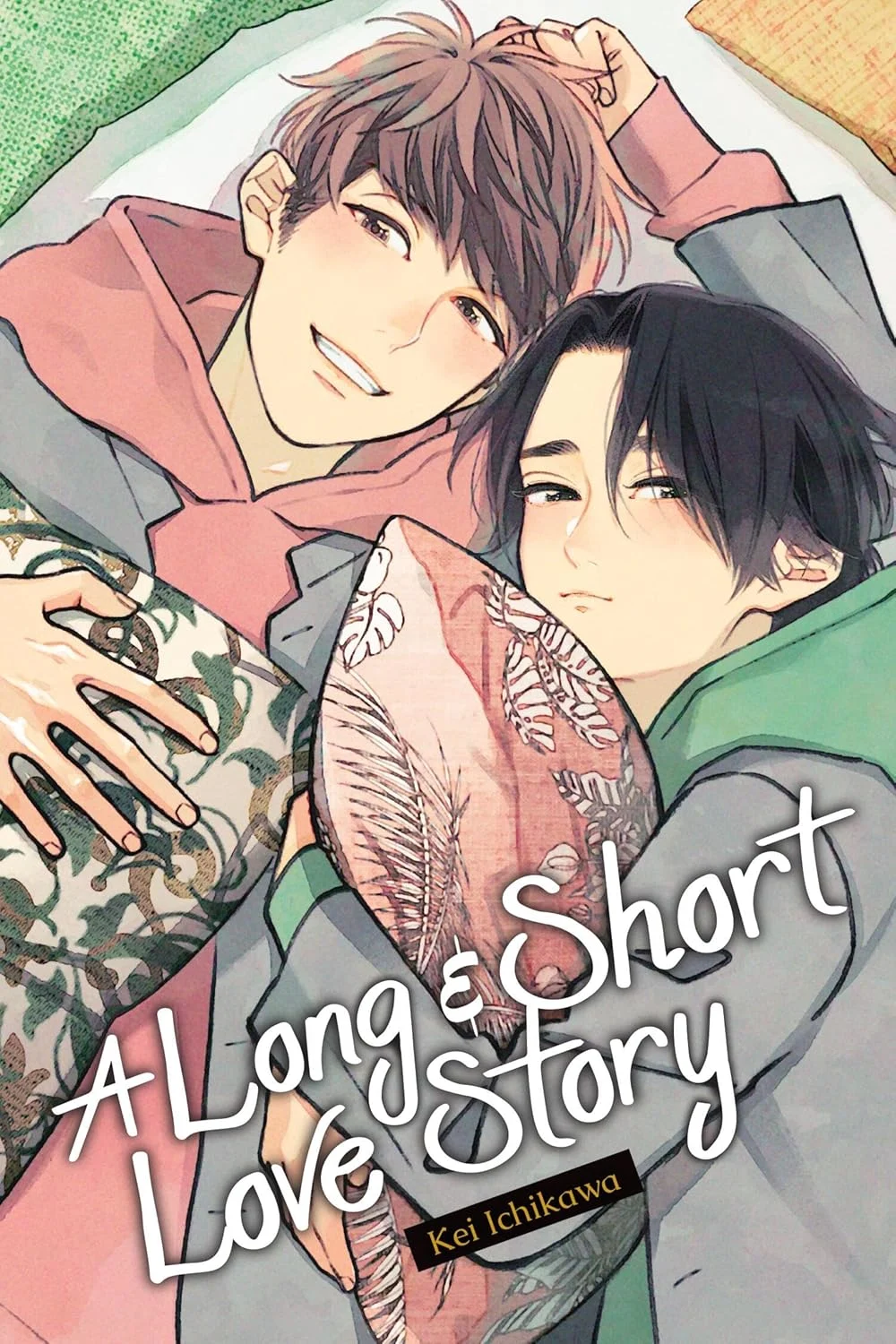
The inception of "A Long and Short Love Story" offers a unique insight into the creative process within the manga industry. Rather than a singular, pre-planned serialized narrative, the project originated from a series of commissions for individual short stories, each intended to feature a color cover. This format, often used to test new artists or concepts, presented Kei Ichikawa with a distinct challenge and opportunity. Instead of treating each commission as a standalone piece, Ichikawa made the strategic decision to weave these disparate short stories into a cohesive whole, linking them through the recurring presence of the same two central characters. This decision transformed a collection of isolated vignettes into a sprawling, yet intimately connected, Boys’ Love (BL) narrative.
This method of construction is significant because it inherently influenced the manga’s final structure and pacing. Unlike many serialized works that follow a strict linear progression, "A Long and Short Love Story" adopts a more mosaic-like approach, where individual chapters or segments might revisit past events, explore present emotional states, or subtly hint at future developments without adhering to a rigid chronological order. This fragmented yet ultimately unified narrative style contributes significantly to the manga’s artistic flair, allowing for moments of intense emotional focus and visual exploration that might be constrained by more conventional storytelling demands. The initial mandate for color covers also translated into the final published edition, which features numerous full-color pages, further enhancing its visual appeal and distinguishing it as a premium product.
Unpacking the Narrative: Ibuki and Kippei’s Journey
At the heart of "A Long and Short Love Story" are Ibuki and Kippei, two young men whose relationship forms the emotional core of the manga. Their bond is depicted as one that has evolved organically over years, beginning with the simple proximity of next-door neighbors and blossoming into an inseparable childhood friendship. This deep-rooted history is crucial to understanding the complexities of their burgeoning romantic feelings. The narrative meticulously chronicles their shared experiences: attending the same schools, bonding over mutual interests like music, and establishing traditions such as watching summer fireworks together. These shared memories serve as a foundation for their emotional connection, illustrating a profound intimacy that predates any explicit romantic overtures.
The gradual unfolding of their feelings is a central thematic element. While the emotional undercurrents between Ibuki and Kippei are palpable to both characters and readers alike, the transition from platonic affection to romantic love is portrayed with a delicate slowness. This deliberate pacing reflects the real-world complexities of navigating a shift in a long-established relationship. The pivotal moment arrives when Ibuki initiates a kiss, a gesture that unequivocally signals a departure from mere friendship and an acknowledgment of deeper, romantic desires. This act serves as a catalyst, propelling their relationship into uncharted territory and forcing both characters to confront the true nature of their feelings.
Following this turning point, the story unfolds through a series of connected vignettes. These segments deftly interweave past memories with present-day developments, creating a rich tapestry of their shared history and evolving relationship. The non-linear progression, while occasionally requiring reader engagement to piece together the chronology, ultimately enriches the emotional depth of the narrative. It allows Ichikawa to highlight specific moments of significance—a shared glance, a whispered conversation, a moment of quiet understanding—that collectively build towards a nuanced portrayal of love. This narrative choice culminates in a clear and satisfying finale, providing a sense of closure while celebrating the journey of their unique love story.
The Artistry of Kei Ichikawa: A Visual Masterpiece
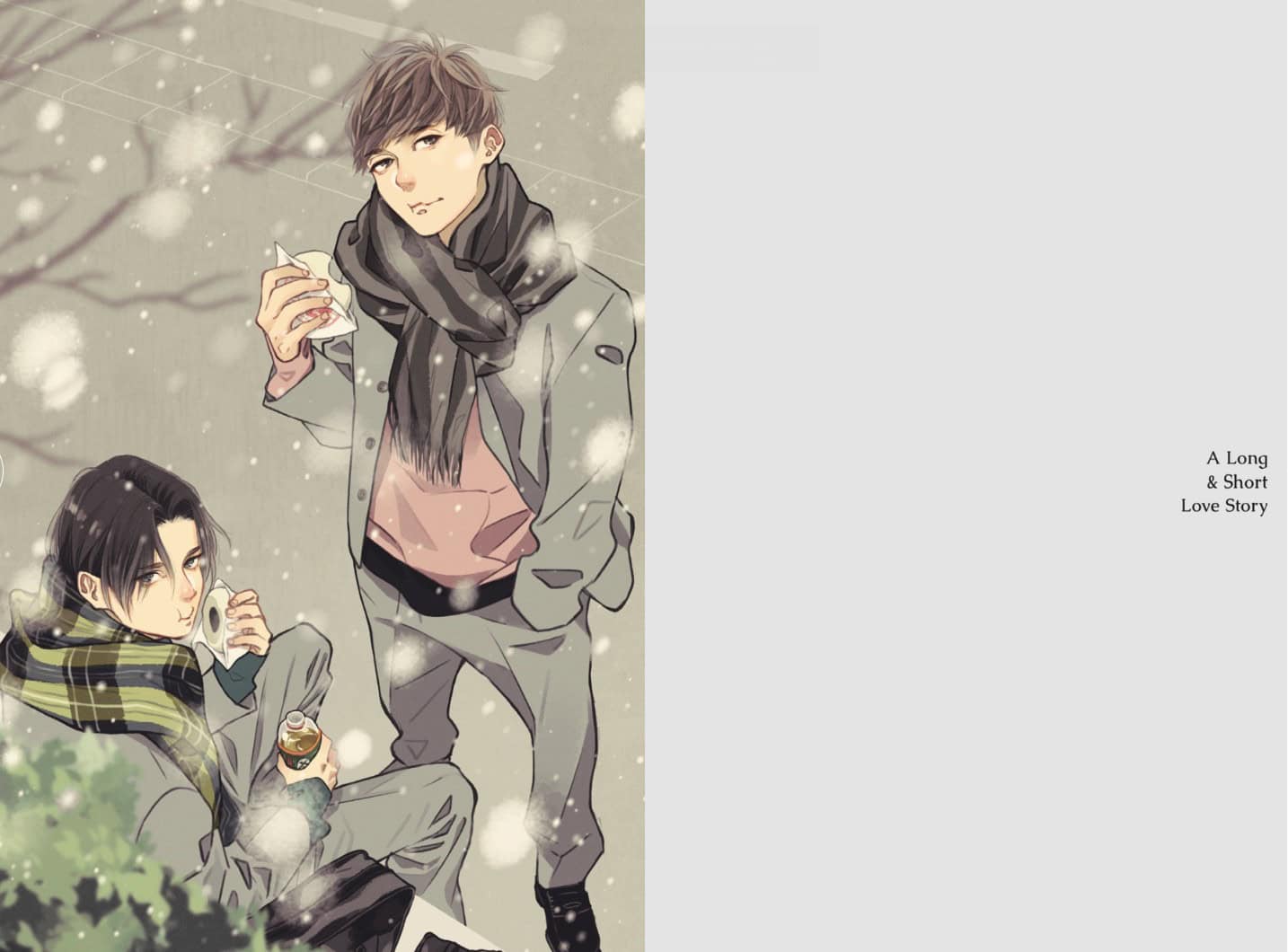
One of the most compelling aspects of "A Long and Short Love Story" is its pronounced artistic sensibility, which permeates every page. Kei Ichikawa’s illustrative style is a significant departure from many mainstream manga, leaning more towards fine art than typical comic book design. The original article highlights this by noting the "almost Modigliani-esque characters," a comparison that speaks volumes about the elegance and elongated forms often present in Ichikawa’s figures. This stylistic choice imbues the characters with a graceful, almost ethereal quality, enhancing the dreamlike atmosphere of many scenes.
Ichikawa’s art is characterized by "flowing lines" that give a sense of movement and fluidity, making each panel feel dynamic and alive, even in moments of stillness. While the predominant style is refined and painterly, the manga also embraces occasional departures, incorporating the "silly faces" trope common in comedic manga. This judicious use of exaggerated expressions provides moments of levity and realism, grounding the characters in relatable human emotions and preventing the aesthetic from becoming overly austere. The blend of high art and accessible manga conventions demonstrates Ichikawa’s versatility and thoughtful approach to visual storytelling.
The physical presentation of the manga further underscores its artistic intent. The use of glossy paper, a stark contrast to the plain paper typically used in manga, elevates the reading experience. This premium material enhances the vibrancy of the colors and the crispness of the line work, allowing Ichikawa’s detailed illustrations to truly shine. Furthermore, the inclusion of numerous colored full pages at the beginning of each chapter is a lavish touch, transforming these introductions into standalone pieces of art. The general trend of larger-than-usual panels throughout the manga also contributes to its artistic impact, giving the artwork more space to breathe and inviting readers to linger over the details. These choices in production quality signify a deliberate effort by the publisher and artist to present "A Long and Short Love Story" not just as a narrative, but as a visual artifact. The sparse dialogue, another deliberate choice, further emphasizes the visual storytelling, allowing Ichikawa’s art to convey emotions, atmosphere, and narrative progression with minimal textual intervention. Splashes of color strategically placed throughout the monochrome panels add emphasis and emotional resonance, guiding the reader’s eye and enriching the overall aesthetic.
Thematic Resonance and Societal Context
Beyond its visual appeal, "A Long and Short Love Story" delves into themes that resonate deeply with contemporary audiences. While the narrative context is described as "thin," the emotional core is robust, exploring universal human experiences. A primary theme is the inherent difficulty of expressing one’s feelings, especially within an already established, non-romantic relationship. This struggle is particularly acute when the potential for romantic involvement threatens to alter a long-standing friendship, a situation many readers can relate to. The manga realistically portrays the apprehension, hesitation, and eventual courage required to articulate these unspoken emotions, making Ibuki and Kippei’s journey feel authentic and poignant.
Another significant theme emerges with the characters’ graduation and their impending separation for the first time in their lives. This period of transition, a common rite of passage, introduces anxieties about maintaining a relationship across distance and navigating new individual paths. The manga subtly explores how external circumstances can test the strength of a bond, adding a layer of realism to their romantic development. This separation underscores the depth of their connection and the challenges inherent in evolving relationships.
Moreover, "A Long and Short Love Story" subtly addresses societal perceptions of same-sex relationships. This commentary is cleverly woven into the narrative through the reactions and observations of the women surrounding Ibuki and Kippei. Their perspectives, whether explicitly stated or implicitly conveyed, offer a glimpse into the broader social environment in which the protagonists’ relationship exists. This nuanced approach avoids heavy-handed exposition, instead allowing the reader to infer the subtle pressures or understandings that often accompany same-sex relationships in various social contexts. This adds a layer of depth to the story, grounding the personal narrative within a wider societal framework.
The Broader Landscape of Boys’ Love (BL) Manga
"A Long and Short Love Story" exists within the vibrant and increasingly popular Boys’ Love (BL) genre, a category of manga and anime that focuses on romantic relationships between male characters, primarily created for a female audience. Originating in Japan in the 1970s, BL has evolved significantly, moving from niche fan publications to a global phenomenon with a substantial market presence. The genre encompasses a wide spectrum of narratives, from lighthearted romantic comedies to intense dramas, and increasingly, stories that delve into complex emotional and social themes.
The global market for BL content has seen considerable growth in recent years, driven by digital distribution and increasing acceptance of LGBTQ+ themes in mainstream media. According to various industry reports, the BL market, while still a subset of the broader manga industry, contributes significantly to overall sales and cultural discourse. Publishers are increasingly investing in high-quality BL titles, recognizing the passionate and dedicated fanbase. This includes producing premium physical editions, much like "A Long and Short Love Story," which cater to collectors and readers who appreciate the artistic and material quality of their manga.
"A Long and Short Love Story" exemplifies a trend within BL towards more artistically ambitious and emotionally nuanced storytelling. While the genre has sometimes been criticized for relying on tropes or formulaic plots, titles like Ichikawa’s work demonstrate a clear push towards artistic innovation and thematic depth. By focusing on a subtle, character-driven romance and employing a sophisticated visual style, this manga contributes to the diversification and maturation of the BL genre, attracting a wider readership beyond its traditional demographic. It showcases how BL can be a vehicle for exploring universal themes of love, identity, and connection through a distinctly queer lens, fostering empathy and understanding.
Implications for Manga Publishing and Artistic Expression
The production and reception of "A Long and Short Love Story" carry significant implications for the broader manga industry and the role of artistic expression within it. The decision to invest in a premium physical edition—featuring glossy paper, numerous full-color pages, and larger panels—suggests a strategic move by publishers to position certain manga titles as high-art collector’s items rather than merely mass-produced entertainment. This trend caters to a segment of the market that values aesthetic quality and craftsmanship, elevating the perceived value of manga as a printed medium. It also signals confidence in the artistic merit of creators like Kei Ichikawa, allowing their unique visions to be fully realized.
Furthermore, the manga’s success in blending conventional narrative elements with an experimental, vignette-based structure challenges traditional serialization models. It demonstrates that there is an appetite for non-linear storytelling and an appreciation for narratives that prioritize emotional resonance and visual artistry over strict plot progression. This could encourage other creators and publishers to explore more unconventional approaches, fostering greater diversity in manga storytelling.
"A Long and Short Love Story" also reinforces the idea that manga, often seen as a commercial product, can equally serve as a powerful medium for fine art. Ichikawa’s painterly style and minimalist dialogue push the boundaries of what is expected from the form, blurring the lines between comics and traditional visual arts. This contributes to the ongoing critical re-evaluation of manga as a legitimate and sophisticated art form, deserving of the same academic and artistic scrutiny as other visual mediums.
Conclusion
"A Long and Short Love Story" stands as a testament to the evolving landscape of manga, particularly within the Boys’ Love genre. Its unique origin from commissioned short stories, deftly woven into a cohesive narrative by Kei Ichikawa, underscores a creative approach that prioritizes artistic vision. The manga’s strength lies in its profound visual artistry, characterized by flowing lines, Modigliani-esque figures, and a deliberate use of color and panel layout that transforms each page into a work of art. The premium physical edition, with its glossy paper and full-color spreads, further solidifies its status as a collector’s item and a significant artistic statement.
Beyond its aesthetic appeal, the story of Ibuki and Kippei resonates with universal themes: the delicate navigation of evolving relationships, the challenge of expressing deep-seated emotions, and the subtle societal observations surrounding same-sex love. Its narrative, while told through connected vignettes that occasionally shift between past and present, offers a deeply satisfying and clear emotional arc. "A Long and Short Love Story" is ultimately a powerful example of how manga can blend accessibility with sophisticated artistic expression, offering a visually stunning and emotionally rich experience that appeals to both seasoned fans and new readers seeking a different kind of love story. It is a work that not only entertains but also elevates the medium, proving that simplicity in narrative can coexist with profound artistic depth.