The horror landscape has been defined by a striking dichotomy this weekend as Universal Pictures and the Blumhouse-Atomic Monster collaboration, Other Mommy, made its theatrical debut. Directed by Rob Savage, the film arrived with significant marketing momentum, securing a domestic opening weekend estimate of approximately $27.5 million. While this figure represents a robust start against a reported production budget of $19 million, the film’s financial performance has been complicated by a stark divide between its promotional success and its reception by general audiences.
The Disparity Between Marketing and Reception
The marketing campaign for Other Mommy was widely regarded by industry analysts as a masterclass in genre promotion. By leveraging the star power of Jessica Chastain and crafting trailers that emphasized high-concept, accessible scares, the studio successfully positioned the film as a must-see event. The promotional materials focused heavily on creature design and rhythmic, intense jump scares, effectively creating a "gateway horror" appeal that promised broad audience engagement.
However, once the film reached theaters, the audience feedback proved to be sharply at odds with the studio’s promotional narrative. The film received a D+ CinemaScore, a metric that measures audience satisfaction immediately following a screening. Furthermore, critical aggregators such as Rotten Tomatoes reflected a challenging sentiment, with critics providing a 20% approval rating and verified audiences registering a 47% score. This discrepancy suggests a significant failure in expectation management, where the intensity and tone promised in the advertising materials did not align with the final, cohesive experience delivered on screen.
Chronology of Production and Release
The path to the release of Other Mommy was marked by several developmental shifts that may have contributed to its fractured reception. Industry reports indicate that the project underwent extensive, though largely unpublicized, reshoots during its post-production phase. While the studio has maintained silence regarding the specific nature of these revisions, the final product exhibits a clear tonal shift after its opening act.
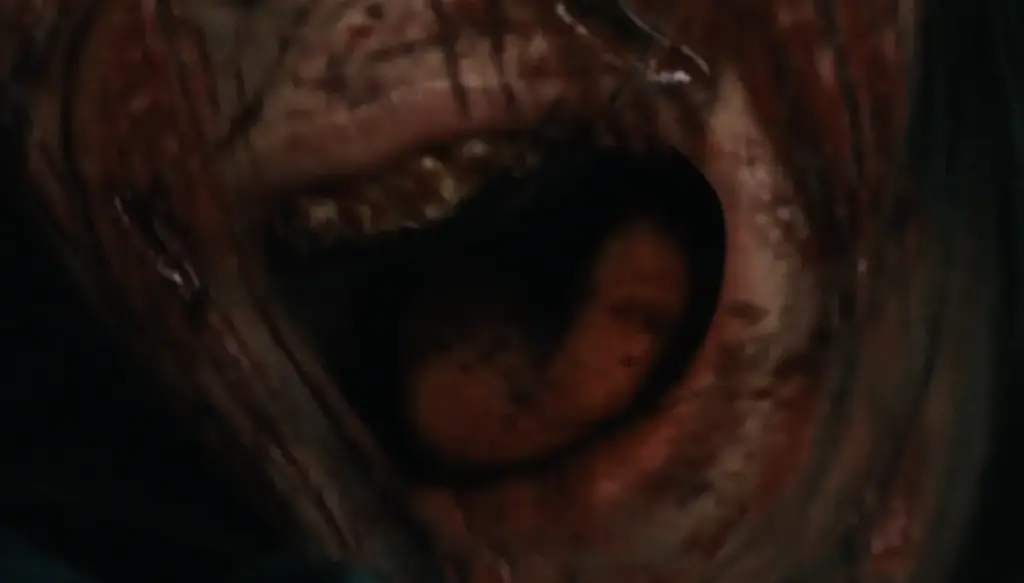
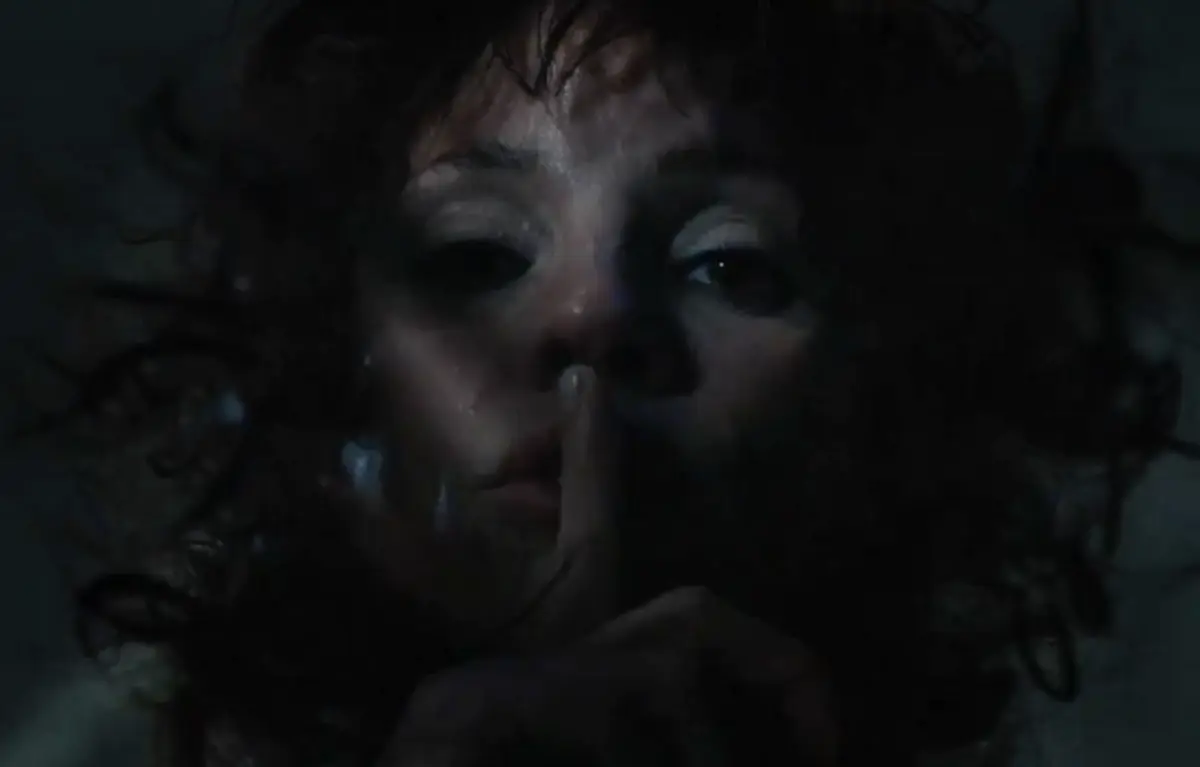
The film begins with a high-tension first act that introduces the central entity with effective pacing and clear visual direction. This early segment was largely praised for its creature design and atmospheric dread. However, subsequent acts have been criticized for a perceived lack of structural integrity, leading to characterizations of the film as a "Franken-movie"—a project that feels composed of disparate, loosely connected sequences rather than a unified narrative arc.
The timeline of the film’s release followed a standard blockbuster distribution strategy. Initial trailers were released to capitalize on current trends in elevated horror, followed by a steady drip of social media-ready clips designed to maximize viral potential. The strategy successfully drove opening weekend attendance, but the subsequent negative word-of-mouth has now placed the film’s long-term legs in question.
Financial Performance and Market Analysis
Despite the poor audience reception, the $27.5 million domestic opening remains a success from a strictly fiscal perspective. When compared to the $19 million budget, the film has already cleared its primary production costs, a necessary threshold for profitability in an industry currently struggling with rising marketing and distribution expenses.
Analysts at box office tracking firms had originally projected a debut in the $20 million range, meaning that Other Mommy has, by most traditional metrics, outperformed its initial expectations. Even with the negative reception, the film is currently tracking toward a total domestic run of approximately $55 million to $60 million.

The economic implications of this release are significant for the Blumhouse-Atomic Monster partnership. By utilizing a "low budget, high impact" model, the studio has managed to mitigate the risks associated with critical failure. Even if a film does not achieve high audience satisfaction, the ability to generate a multi-million dollar opening weekend ensures that the studio can continue to fund a high volume of projects. This strategy is clearly visible in the studio’s recent announcements at New York Comic-Con, where they confirmed a vast slate of upcoming features, including the highly anticipated The Exorcist: Martyrs.
Industry Context and Audience Expectations
The reaction to Other Mommy highlights a growing trend in the horror genre: the battle between "trailer-first" marketing and the actual theatrical experience. In recent years, horror has become one of the most reliable genres at the box office, capable of turning modest budgets into massive profits. However, as the genre becomes more crowded, studios have leaned into aggressive, high-energy marketing to ensure visibility.
When a film like Other Mommy fails to meet the expectations established by its trailer, it can create a sense of buyer’s remorse among the core horror audience. While some viewers—specifically those looking for "fun" and "accessible" thrills—reported satisfaction with the film, a significant portion of the core horror demographic expressed disappointment. This indicates that the film’s marketing may have been too successful in selling a specific type of experience that the film itself could not sustain.
Looking Ahead: The Future of the Franchise Model
The performance of Other Mommy serves as a case study for the risks inherent in the current studio model of rapid-fire horror releases. While the collaboration between Blumhouse and Atomic Monster has produced some of the most critically acclaimed genre entries in recent years, the sheer volume of content currently in production necessitates a consistent, high-quality control standard.
When a project is re-edited or heavily reshot, the seams often become visible to the audience. In the case of Other Mommy, the shift from a strong, coherent first act to a disorganized finale suggests that the production process was unable to reconcile its various narrative threads. This not only impacts the immediate box office trajectory but can also affect the brand equity of the production houses involved.
Despite the critical backlash, the film is not a commercial failure. The fact that it continues to draw audiences despite a D+ CinemaScore suggests that there is a baseline of interest in the genre that transcends critical reviews. For the casual moviegoer, the promise of a "scary-but-fun" night out is often enough to drive ticket sales, regardless of the film’s structural shortcomings or negative online discourse.
Final Assessment
Ultimately, Other Mommy represents a missed opportunity to build on the strength of its premise. With a compelling creature design and a strong opening, the film had the potential to be a standout entry in the year’s horror offerings. The decision to move forward with a fragmented final cut, potentially influenced by late-stage reshoots, hampered its ability to resonate with both critics and the broader audience.
As the industry moves into the next phase of the fall release calendar, the lessons from Other Mommy will likely be integrated into future marketing and production strategies. The industry will continue to monitor whether the reliance on "event-style" marketing can withstand the pressure of increasingly discerning, vocal, and connected audiences. For now, the film stands as a testament to the power of a strong promotional campaign, even when the underlying product fails to fully deliver on its initial, high-stakes promise. The production house remains resilient, with a deep pipeline of projects that will likely ensure they remain at the forefront of the horror market for the foreseeable future.