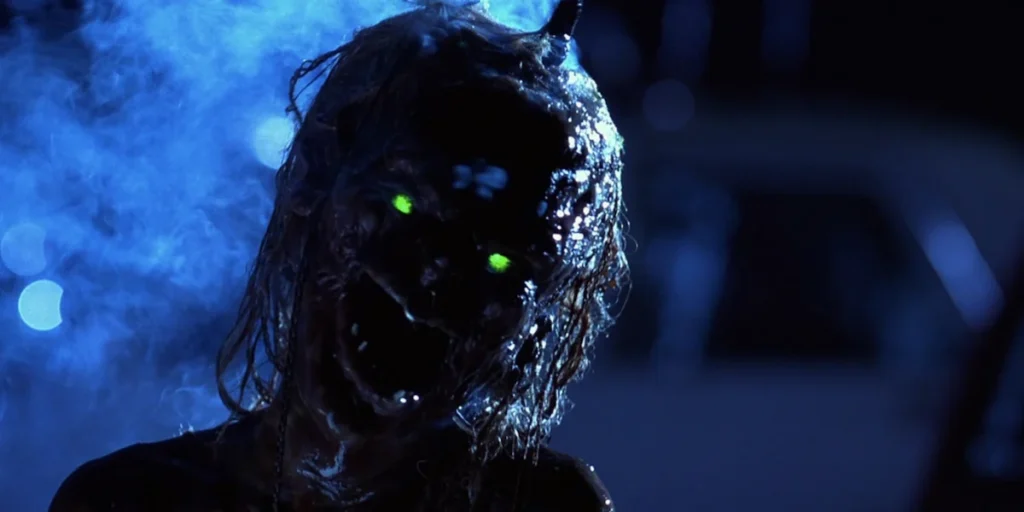
The burgeoning career of director Curry Barker is commanding significant attention this week with the theatrical release of his feature film debut, "Obsession," distributed by Focus Features. The film, which has already generated considerable anticipation among cinephiles, is being lauded for its visceral and impactful storytelling. Early reactions consistently describe "Obsession" as a "crazy, brutal, intense, uncomfortable" cinematic experience that lingers long after the credits roll, a testament to Barker’s emerging directorial voice. This intense reception and the distinct stylistic elements of "Obsession" are drawing parallels to the atmospheric and psychological horror that defined seminal works like "The Texas Chain Saw Massacre," a franchise for which Barker has also expressed a keen interest.
A Visionary Approach to Horror: From "Obsession" to Iconic Franchises
Barker’s directorial prowess is particularly noted for his ability to cultivate palpable tension and an unsettling atmosphere between characters. This nuanced exploration of discomfort and unease, even in the absence of overt conflict, is a rare commodity in contemporary filmmaking. Critics and observers suggest this innate talent for psychological manipulation makes him a compelling candidate for future horror projects, especially those requiring a deep understanding of character dynamics and immersive world-building.
The thematic resonance of "Obsession," with its focus on familial dynamics and psychological strain, has led Barker to articulate his interest in future endeavors within established horror universes. His discussions surrounding "The Texas Chain Saw Massacre," for instance, hint at an intention to delve beyond the franchise’s often-cited gore and violence, focusing instead on the pervasive sense of dread and unsettling realism that characterized Tobe Hooper’s original 1974 masterpiece. While many associate the franchise primarily with its graphic depictions, a closer examination of the original film reveals a masterclass in atmosphere and sustained tension, a quality that Barker appears poised to explore. This deliberate focus on the experiential nature of horror—the feeling of being "dirty, exhausting, uncomfortable"—is seen by many as a critical element missing from recent franchise reboots.
The "Juju" Factor: Revitalizing Dormant Horror Icons
The current landscape of horror remakes and reboots has often been characterized by a perceived lack of originality and a tendency to prioritize safe, formulaic executions. Films like the "A Nightmare on Elm Street" remake, the "Friday the 13th" reboot, and subsequent "Texas Chainsaw Massacre" installments have, in many instances, been criticized for delivering predictable narratives and failing to capture the innovative spirit of their predecessors. The prevailing sentiment among some industry observers is that these franchises have become creatively stagnant, losing the distinctive "juju" that once captivated audiences.
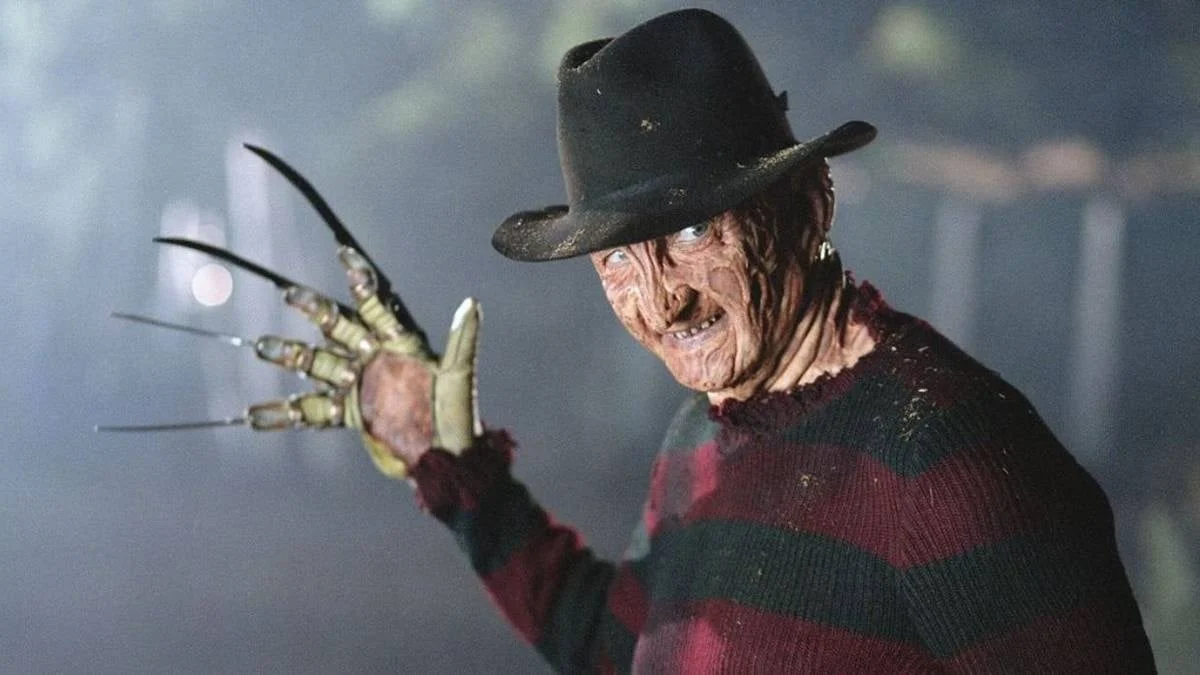
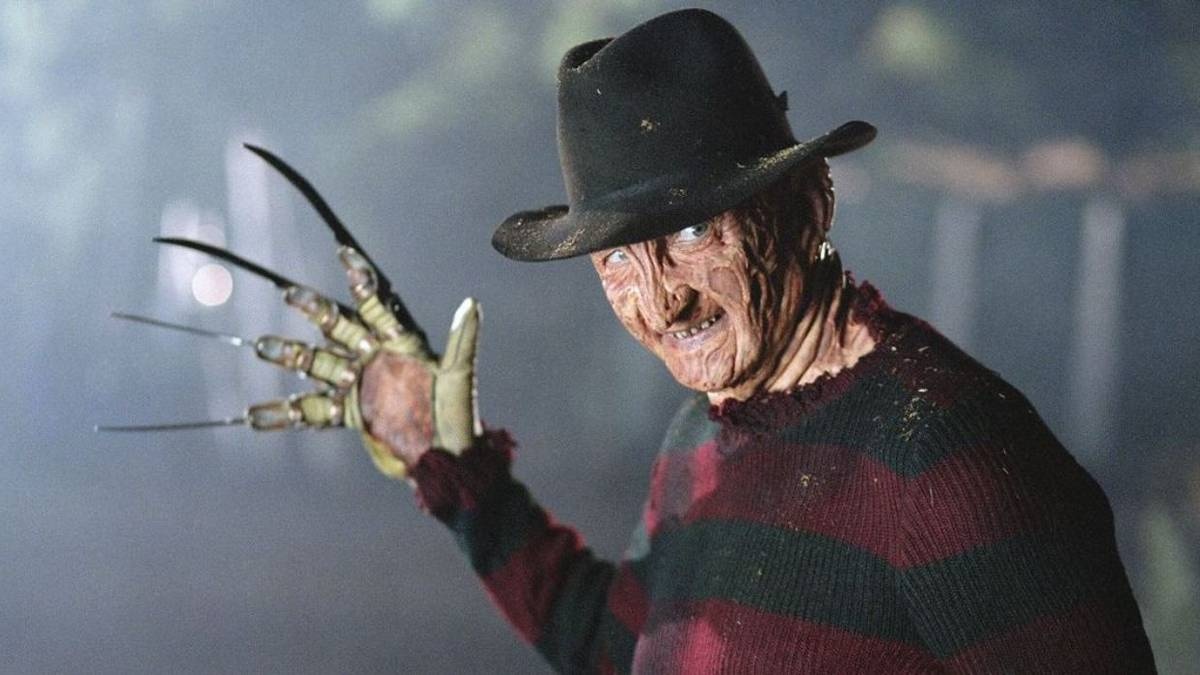
This perceived creative inertia makes Barker’s stated ambitions particularly noteworthy. In a recent interview with Polygon, Barker articulated his desire to tackle "A Nightmare on Elm Street," a franchise with immense creative potential. "Obviously, everybody wants to do Nightmare on Elm Street," Barker commented. "It’s kind of like the hot thing right now. I don’t even know who has the rights to that or what—I hear that the rights are pretty locked tight for that movie, but man, what a concept that has endless potential of nightmares and how trippy and weird and creepy they could get. I would love to take a crack at that." He further acknowledged that other filmmakers, such as Lee Cronin, have also expressed interest, underscoring the enduring appeal and conceptual depth of the property.
Navigating the Fear of the Franchise Unknown
The reluctance to reimagine beloved horror icons is rooted in a palpable fear of failure. The stakes are exceptionally high when dealing with characters and narratives that hold significant cultural weight. The prospect of being the filmmaker responsible for a poorly received "Nightmare on Elm Street" remake or a forgettable "Texas Chainsaw Massacre" installment is a significant deterrent for many in the industry. This cautious approach has led to a landscape where major horror franchises are often handled with extreme care, sometimes to the detriment of creative risk-taking.
Barker’s outspokenness regarding his interest in these franchises, particularly "A Nightmare on Elm Street," stands in stark contrast to this prevailing apprehension. His confidence, evident in his interviews and public demeanor, suggests a genuine belief in his ability to deliver compelling and innovative interpretations. This boldness is seen as a crucial asset in an era where horror cinema could benefit from visionary leadership capable of breathing new life into established properties.
A New Era of Horror Direction?
Comparisons to other emerging directors often highlight Barker’s distinct intensity, boldness, and clear creative vision. He is perceived as a filmmaker who possesses a well-defined trajectory and an understanding of his artistic identity, qualities that are increasingly valued in a rapidly evolving industry. While the path of any director can present challenges, Barker’s current momentum and stated ambitions position him as a significant figure to watch in the horror genre.
The implications of Barker’s approach extend beyond individual film projects. His potential success could signal a broader shift towards supporting directors with strong creative voices and a willingness to take calculated risks with established franchises. If provided with the necessary resources and creative autonomy, Barker’s contributions could redefine the potential of cinematic reboots and sequels, moving beyond mere nostalgia to forge genuinely impactful and enduring horror experiences. The industry will be closely observing the trajectory of his career, particularly following the release of "Obsession," to see if he can indeed become one of the next great architects of cinematic terror, rather than merely another custodian of existing legacies.
"Obsession" is scheduled for release this week, and its critical reception is anticipated to provide further insight into Curry Barker’s burgeoning directorial capabilities and his potential impact on the future of horror cinema.