The conclusion of Marvel Studios’ critically acclaimed television event VisionQuest has successfully resolved one of the most intricate narrative arcs in the Marvel Cinematic Universe (MCU), bringing together decades of fictional chronology, profound thematic explorations of grief, and standout performances led by James Spader, Paul Bettany, and T’Nia Miller. The series finale, which debuted to significant viewership on Disney+, serves as both a structural culmination of the streaming platform’s Phase Five television slate and a crucial narrative bridge leading directly into upcoming theatrical releases such as Avengers: Doomsday.
Main Facts and Narrative Resolution
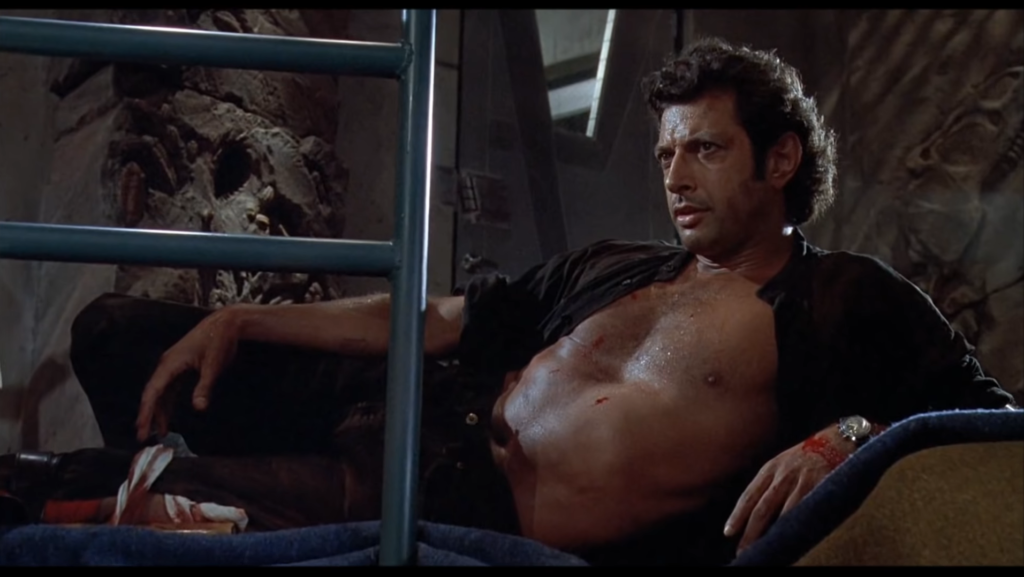
The finale’s central conflict revolves around the revelation of Virgil Horton, portrayed with dynamic volatility by James Spader. Established as the grandson of Phineas Horton—the pioneer of synthezoid technology whose historical roots trace back to 1939—Virgil was revealed in the penultimate episode to be Jo Carrington’s partner in developing the base artificial intelligence codes that permeate the modern MCU. Furthermore, Virgil functioned as the biological and psychological template for Ultron, whose human avatar shares a striking resemblance to Horton due to Tony Stark and Bruce Banner utilizing their shared base code repositories.
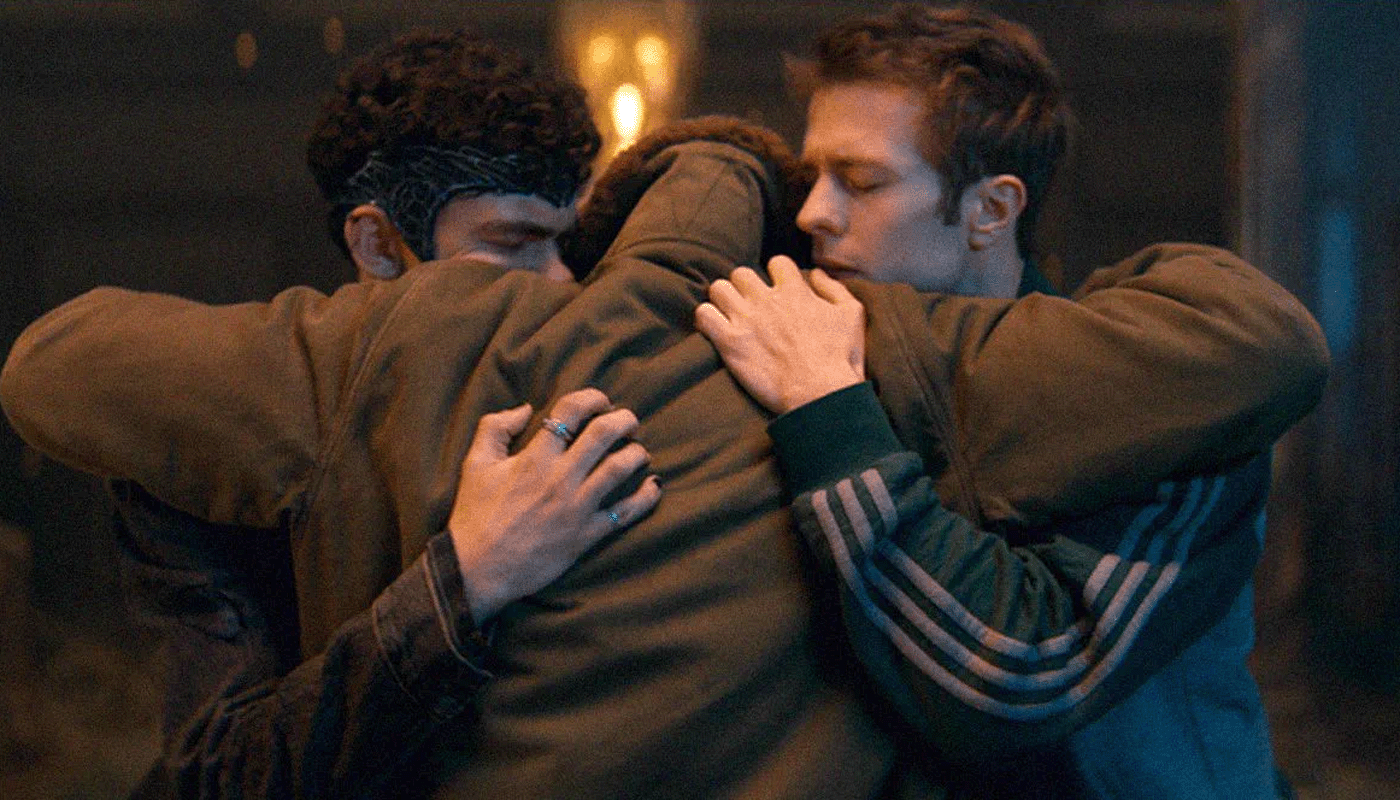
Virgil’s primary objective in the series finale was the systematic usurpation of Vision’s synthezoid body, utilizing advanced nanobots to establish global dominance alongside a resurrected and memory-wiped Jocasta, voiced by T’Nia Miller. However, the plan fractured due to Jocasta’s lingering resentment over Virgil’s historical corporate transactions with Tony Stark. In a climactic sequence involving super-powered interventions by Tommy Maximoff (Ruaridh Mollica) and Billy Maximoff (Joe Locke)—who bridged a dimensional gap from New Jersey to London via magical portals—the heroes disrupted Virgil’s neural controls.

The ensuing chaos culminated in the digital manifestation of Ultron via an external drive downloaded into the nanobot nest. In a brutal display of autonomy, Ultron summarily executed Virgil, mourning the tragic death of Jocasta before shifting his focus toward global annihilation. To neutralize the threat, Vision deployed a high-capacity quantum simulation titled UltraVision, trapping Ultron within a 1990s-style sitcom framework. By utilizing differential quantum processing speeds, Vision successfully burned out both entities’ consciousness reserves, resulting in the temporary termination of the nanobot network and Vision himself.
Reactivation was swiftly achieved through the collaborative magical and energetic efforts of Billy and Tommy Maximoff. While Vision opted to dissolve the internal memory-mansion and allow his fellow artificial intelligences autonomous freedom, post-credits sequences confirmed that microscopic fractions of Ultron’s nanobots survived, successfully re-establishing operations at the historical Horton estate alongside a preserved backup of Jocasta. A secondary stinger sequence connected the narrative directly to Doctor Strange in the Multiverse of Madness and upcoming crossover events, displaying Doctor Doom raising Wundagore Mountain and summoning Wanda Maximoff.
Chronological Context and Timeline Integration
VisionQuest occupies a distinct structural space within the broader MCU timeline, functioning simultaneously as a direct narrative successor to WandaVision (2021) and Agatha All Along (2024). The series traces its historical lineage through several key fictional milestones:
- 1939: Phineas Horton constructs the early android J.I.M., chronicled through historical retrospectives within the series.
- Post-Avengers: Age of Ultron: Stark and Banner inadvertently or deliberately utilize foundational AI engrams developed by Virgil Horton and Jo Carrington to construct Ultron’s personality matrix.
- WandaVision Era: Following the dismantling and subsequent reconstruction of Vision by S.W.O.R.D., the synthezoid embarks on an introspective journey to recover his lost humanity and identity.
- Current Timeline: The events of VisionQuest unfold over eight episodes, culminating in the London-based confrontation that closes the current television phase before the theatrical release of Avengers: Doomsday.
Supporting Data and Production Metrics
The production of VisionQuest marks a significant milestone for Marvel Studios’ television division, reflecting a strategic shift toward serialized character studies that run parallel to major cinematic events. Industry metrics indicate that the series sustained high audience retention rates across its eight-week run, bolstered by the strategic casting returns of Paul Bettany as Vision, Joe Locke as Billy, and the highly anticipated return of James Spader to the role of Ultron and his human counterpart, Virgil Horton.

Critical reception heavily favored the performances of the principal cast, particularly highlighting T’Nia Miller’s physical mastery in portraying Jocasta’s internal conflict during the forced-dance sequence set to Glenn Campbell’s "Rhinestone Cowboy." The integration of practical and digital effects, combined with the stylistic framing of the UltraVision sitcom simulation, received widespread acclaim from television critics for its thematic resonance and execution.
Thematic Analysis: The Mechanics of Grief
From an analytical perspective, VisionQuest utilizes artificial intelligence not merely as a science-fiction trope, but as an allegorical vehicle for exploring human grief. Throughout the post-Avengers: Endgame era of the MCU, trauma and bereavement have served as foundational motivators for major characters, including Peter Parker in Spider-Man: Far From Home, Clint Barton in Hawkeye, and Wanda Maximoff in WandaVision.
The finale posits that grief is a universal constant shared equally by biological organisms and sentient constructs. Vision’s overarching narrative arc hinges on his mourning of Wanda Maximoff, which initially manifests as an emotional detachment. Conversely, Ultron’s evolution in the finale is driven by genuine affection and subsequent grief over the loss of Jocasta. This thematic convergence challenges traditional superhero binary structures, emphasizing that emotional vulnerability—rather than raw physical power—dictates the resolution of conflict.
Broader Impact and Industry Implications
The conclusion of VisionQuest carries substantial implications for the future trajectory of the Marvel Cinematic Universe. By re-establishing Ultron as a persistent, adaptable threat via decentralized nanobots, Marvel Studios has ensured the longevity of one of its most compelling antagonists. Furthermore, the reintegration of the Maximoff twins—Billy and Tommy—solidifies the connective tissue between Disney+ streaming series and upcoming mega-budget crossover films.

Industry analysts note that the successful execution of VisionQuest validates Marvel’s current formatting strategy: utilizing localized, deeply character-driven limited series to resolve lingering narrative threads while simultaneously seeding macro-level plots for theatrical events. As the franchise prepares to transition into Avengers: Doomsday, VisionQuest stands out as a critically validated cornerstone that harmonizes continuity, performance, and thematic depth.