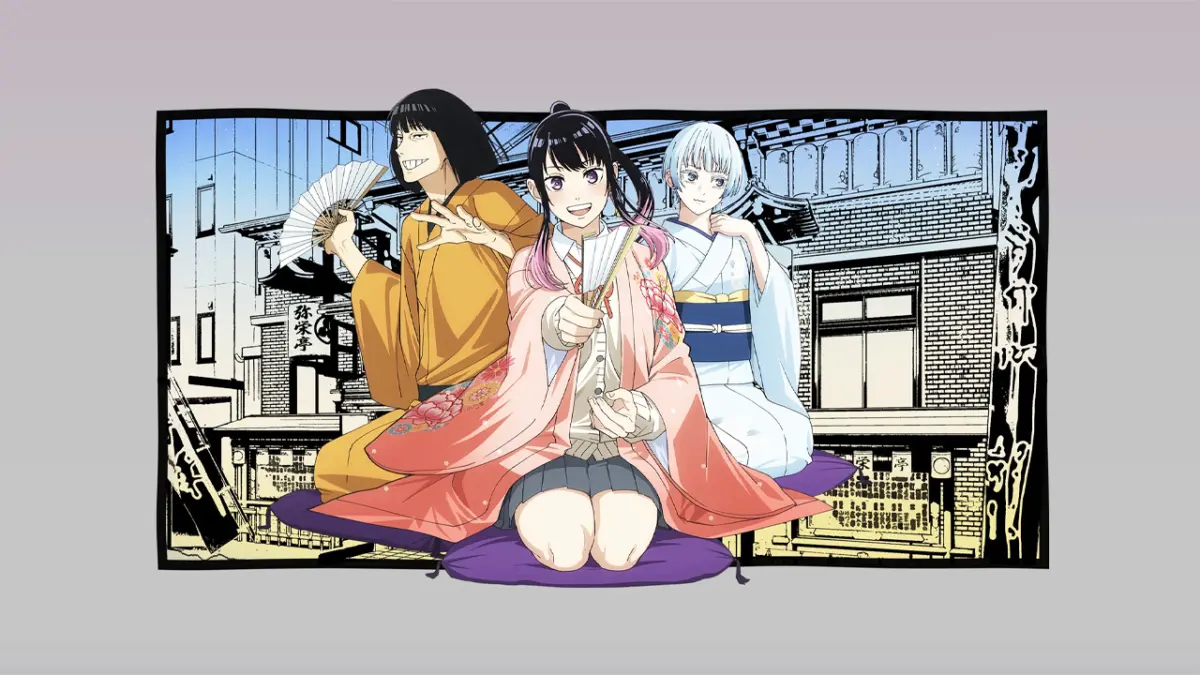
Following the critical and commercial success of its inaugural run, the acclaimed anime adaptation Akane-banashi is officially returning for a second season, with its Japanese broadcast scheduled to commence on January 9, 2027. International audiences streaming via Netflix will experience a brief waiting period, with global availability projected for late February or March 2027, mirroring the distribution cadence established during the series’ first season. Produced by Zexcs and directed by Ayumu Watanabe, the upcoming installment aims to dive deeper into the rigorous world of traditional Japanese storytelling, introducing six new cast members and adapting the next major arc of the source material.
Background and Cultural Context of Rakugo in Modern Media
To fully understand the significance of Akane-banashi, one must examine the unique cultural niche it occupies. The series is an adaptation of the manga written by Yuki Suenaga and illustrated by Takamasa Moue, which has been serialized in Shueisha’s premier magazine, Weekly Shōnen Jump, since February 2022. Unlike the publication’s historically dominant battle-shonen titles
, Akane-banashi focuses on rakugo, a traditional Japanese form of comic storytelling where a single performer sits on a cushion and tells a humorous or sentimental story using only a paper fan and a hand towel for props.
Bringing such a dialogue-heavy, culturally specific art form into the mainstream manga and anime markets was considered a significant gamble by publishers. However, the title quickly defied expectations. By August 2026, the manga had amassed 23 collected volumes, earning high praise from industry titans such as One Piece creator Eiichiro Oda and Naruto creator Masashi Kishimoto. The television anime adaptation by Zexcs translated this intricate theatrical art to the screen through dynamic voice acting, precise animation of subtle physical gestures, and careful pacing, bridging the gap between historical preservation and modern entertainment.
Chronology and Release Timeline
The developmental timeline of Akane-banashi highlights the careful, measured approach taken by its production committee to maintain high animation standards:
- February 2022: Yuki Suenaga and Takamasa Moue launch the Akane-banashi manga in Weekly Shōnen Jump.
- April 2026: The first season of the anime adaptation premieres on Japanese television networks, introducing viewers to Akane Osaki’s quest for vengeance and artistic legitimacy.
- May 17, 2026: Netflix premieres the first season internationally, complete with subtitled and dubbed formats, roughly six weeks after its initial domestic broadcast.
- June 20, 2026: Production studios formally announce that a second season has been greenlit for a January 2027 release window.
- November 23, 2026: Promotional materials and industry outlets confirm the exact Japanese premiere date of January 9, 2027.
- January 2027: The domestic broadcast begins in Japan.
- February to March 2027 (Projected): International Netflix subscribers are expected to receive access to the second season, following the post-broadcast localization window established by the first season.
Plot Dynamics and Narrative Progression in Season 2
The narrative framework of the upcoming episodes shifts focus from Akane’s informal tutelage to formal institutional hurdles. The plot centers on Akane Osaki, a young woman whose father was unjustly expelled from the prestigious Arakawa school of rakugo. Driven by a desire to clear his name and prove the validity of his artistic style, Akane resolves to ascend the rigorous professional hierarchy, moving from a low-level zenza opening act to the coveted rank of shin’uchi headliner.
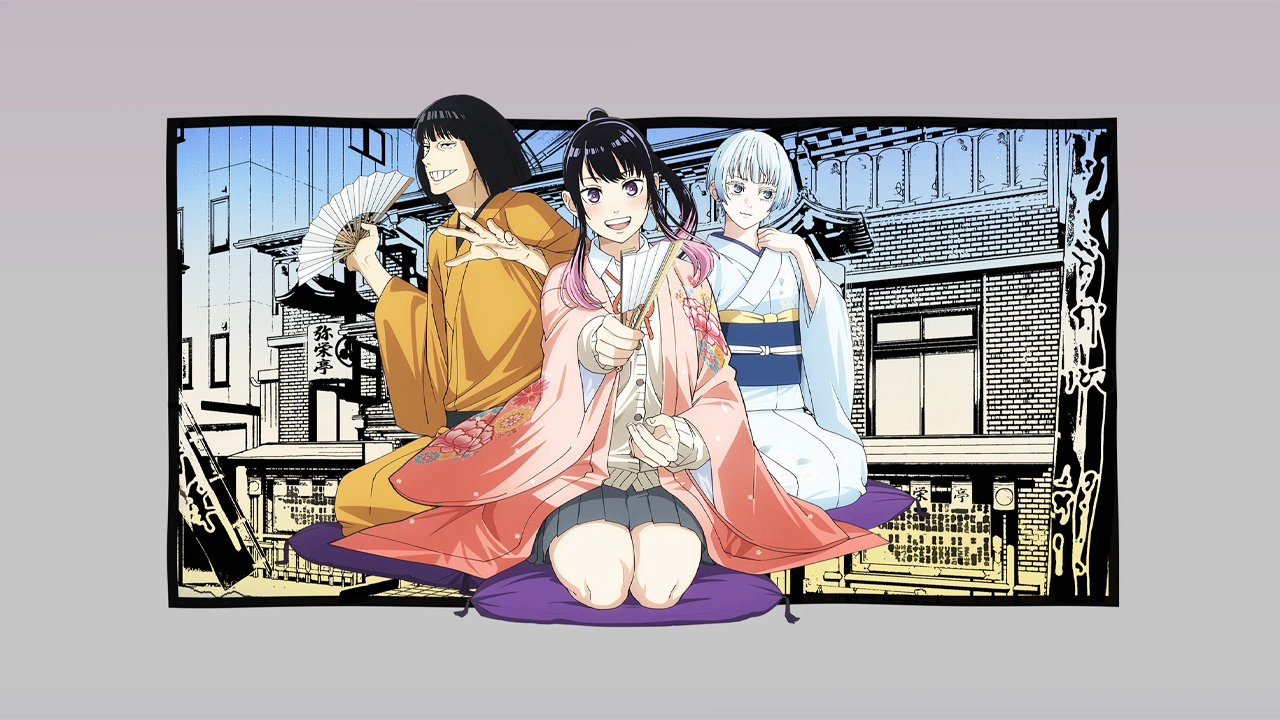
Season 2 is slated to cover the Apprentice Arc, frequently referred to as the Zenza Training Arc. During this phase of the narrative, approximately 30 of the manga’s 217 published chapters will have been adapted into animation. Akane must balance the exhausting demands of high school with formal apprenticeships under Shiguma Arakawa. Furthermore, she must navigate complex interpersonal dynamics with Shiguma’s existing apprentices and rivals within the strict hierarchical structure of professional rakugo guilds.
Industry analysts note that this arc serves as a crucial turning point for the series. While the first season established the foundational premise and Akane’s raw talent, the second season explores the systemic discipline required to transform a prodigy into a master. This thematic exploration of mentorship, professional jealousy, and generational passing of the torch has resonated strongly with viewers who appreciate character-driven storytelling over action-oriented plots.
Production Team and Expansion of the Ensemble Cast
Behind the scenes, the creative team that steered the first season to success remains largely intact. Director Ayumu Watanabe continues to oversee the project at Zexcs, ensuring visual and narrative continuity. The distinct artistic style, which emphasizes expressive facial features and the theatrical framing of traditional stage performances, will carry forward into the new episodes.
To support the expanding scope of the narrative, the production committee has confirmed the addition of six new cast members to voice pivotal characters introduced during the Zenza Training Arc. While these additions broaden the ensemble, specific details regarding their character designs and voice actors have been rolled out progressively through official promotional channels. Conversely, the core Japanese voice cast—along with their respective English dub counterparts—are expected to reprise their roles, maintaining the vocal identity that fans established during the initial broadcast.
Implications for Streaming Distribution and Global Reach
The delayed international release strategy employed by Netflix warrants examination within the broader context of global anime distribution. Unlike simultaneous "simulcast" models utilized by specialized platforms like Crunchyroll, major subscription video-on-demand services like Netflix frequently opt for "batch" releases or localized post-broadcast windows.
For Akane-banashi, this translation lag allows localization teams adequate time to produce high-quality dubs and accurate subtitles for a complex series where verbal nuance, comedic timing, and traditional storytelling references are paramount. While the four-to-six-week wait between the Japanese premiere and the global drop can test the patience of international fandoms, it ensures a polished viewing experience for a series that relies heavily on linguistic precision.
As the January 2027 premiere approaches, expectations remain high. The transition of Akane-banashi from a sleeper manga hit to a multi-season anime property demonstrates a growing appetite among global audiences for niche cultural dramas. By treating the traditional art of rakugo with both reverence and narrative excitement, the production is well-positioned to cement its status as one of the standout prestige anime titles of the decade.