The cinematic landscape of the 21st century has seen a pronounced resurgence in elevated horror, a subgenre characterized by atmospheric dread, complex psychological explorations of trauma, and meticulous visual storytelling. Among the most frequently cited touchstones for modern filmmakers is Nicolas Roeg’s 1973 psychological thriller Don’t Look Now. Recent industry discussions with emerging talents such as Sophie Thatcher and filmmaker Dave Boyle have underscored the film’s persistent relevance, revealing that its stylistic and thematic DNA continues to inform current projects, including Her Private Hell and Never After Dark.
The Genesis of a Cult Classic
Adapted from the 1971 short story by Daphne du Maurier, Don’t Look Now premiered during a transformative era for British cinema. The narrative follows John and Laura Baxter, played by Donald Sutherland and Julie Christie, who relocate to Venice following the tragic drowning of their young daughter, Christine. While John, a restoration architect, works on the crumbling infrastructure of a historic church, the couple encounters two elderly sisters, one of whom claims to be a psychic in contact with the deceased child.
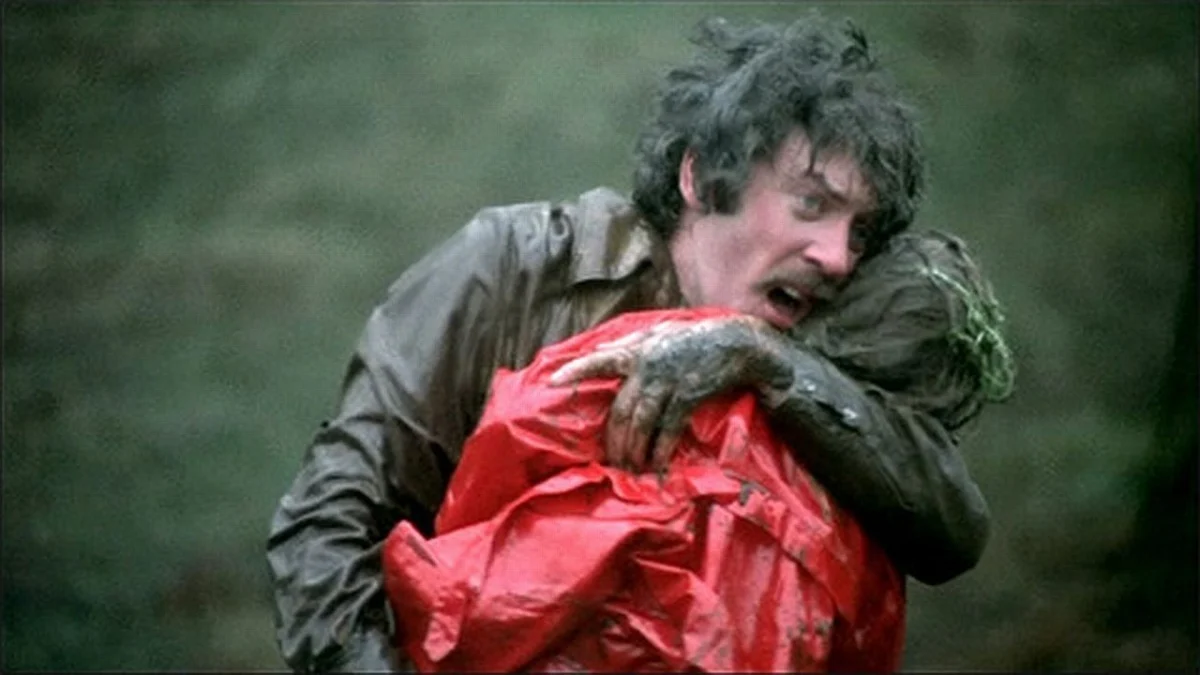
The film was notable for its non-linear editing style and its stark, visceral approach to grief. Upon its release, it was met with a mixture of critical acclaim and public controversy, particularly regarding its candid depiction of intimacy. However, over the subsequent five decades, it has been reclaimed by scholars and filmmakers alike as a seminal text in the horror canon, frequently cited for its innovative use of color theory—most notably the recurring, ominous motif of a child’s red coat against the desaturated, labyrinthine backdrop of a wintry Venice.
A Chronology of Influence
The influence of Don’t Look Now is not a modern development but rather a decades-long trajectory of aesthetic and thematic absorption.

- 1973: The film’s theatrical release introduces a new syntax for psychological horror, blending European art-house sensibilities with supernatural suspense.
- 2004: Bravo’s television special The 100 Scariest Movie Moments introduced the film to a millennial audience, cementing its status as a foundational text despite the controversy of revealing its climax.
- 2010s: Directors such as Lynne Ramsay (We Need to Talk About Kevin) and Ari Aster (Hereditary) utilized similar techniques of color-coded trauma and domestic decay, drawing clear lines back to Roeg’s visual lexicon.
- 2024–2026: Contemporary filmmakers like Dave Boyle and performers like Sophie Thatcher explicitly identify the film’s approach to memory and skepticism as a primary influence for their current genre-bending works.
Analytical Data and Thematic Implications
Statistical analysis of horror cinema trends over the last decade indicates a shift away from traditional "jump-scare" mechanics toward thematic explorations of grief and existential dread. Don’t Look Now serves as a benchmark for this transition. Unlike contemporary films that often rely on heavy-handed exposition to explain character trauma, Roeg’s work relies on visual symbolism and the intersection of faith and skepticism.
John Baxter represents the archetype of the rationalist—a man who rejects the metaphysical in favor of tangible architecture—until the reality of his environment begins to erode his convictions. This dichotomy remains a recurring theme in modern horror. In Her Private Hell, for example, the narrative focus mirrors this tension between the seen and the unseen. By stripping away the supernatural tropes of the 1980s slasher era, modern directors are returning to the Roegian model: where the setting itself acts as a primary antagonist and the internal psychological state of the protagonist dictates the pacing of the narrative.
The Evolution of the "Red Coat" Motif
A critical element of Don’t Look Now is the costume design by Marit Allen. Her work on this film established a precedent for using high-contrast color to anchor the viewer’s attention in scenes of high tension. The "red coat" has since become a shorthand for lost innocence in cinema. This visual language was later echoed in films such as Schindler’s List, albeit in a different historical context, and has influenced the visual palettes of modern thrillers that prioritize color grading to manipulate audience perception of time and memory.
Industry Perspectives
The consensus among film critics and directors is that Don’t Look Now functions as a "director’s movie." Because it demands active participation from the viewer—requiring them to piece together the fractured memories and premonitions of the protagonists—it remains a popular subject of study in film schools.
Recent commentary from creators like Dave Boyle suggests that the film’s success lies in its refusal to offer the viewer an easy resolution. "The film doesn’t provide the comfort of a clear answer regarding whether the events are supernatural or merely manifestations of the characters’ grief," says one industry analyst. "This ambiguity is the hallmark of the ‘elevated horror’ movement we see today. It respects the audience’s intelligence."

Broader Impact on the Horror Genre
The impact of Don’t Look Now extends beyond its narrative structure. Its influence on cinematography—specifically the way the camera captures the decaying, damp architecture of Venice—has become a standard for "place-based" horror. Filmmakers who prioritize atmosphere over CGI spectacle often look to Roeg’s work to understand how to make a location feel sentient.
Furthermore, the film’s exploration of "the skeptic in crisis" has become a pervasive trope. Whether in supernatural ghost stories or neo-noir thrillers, the figure of the protagonist who denies the reality of their surroundings until it is too late is a direct descendant of John Baxter.
Final Considerations for Modern Audiences
For those looking to engage with the film for the first time, it is important to understand that Don’t Look Now is not a traditional horror film. It does not follow the standard three-act structure of modern blockbusters. Instead, it operates as a psychological puzzle. To view it with the expectation of typical genre conventions is to miss the nuance of its craft.
As the industry continues to produce films that lean into the complexities of human experience—using the medium of horror to externalize internal pain—Don’t Look Now will likely remain a foundational text. It provides a blueprint for how to balance the visceral requirements of the horror genre with the intellectual demands of a psychological drama. For students of film and fans of the genre, the message remains clear: the legacy of Nicolas Roeg’s vision is not merely found in the films that copy its plot, but in the ones that capture its haunting, inimitable spirit.
As modern cinema moves forward, the "Don’t Look Now" effect serves as a reminder that the most terrifying experiences are not those that exist in the shadows, but those that force us to confront our own inability to reconcile with the past. The film’s continued presence in contemporary discourse ensures that its lessons on pacing, symbolism, and the nature of grief will persist for another generation of filmmakers, cementing its position as a pillar of 20th-century art.