The popular NBC mystery crime drama Blindspot is officially slated for departure from Netflix in the United States on June 7th, 2026, marking the end of a highly successful yet surprisingly brief one-year licensing agreement. This announcement comes as a significant blow to fans and new viewers alike who have embraced the series during its impactful run on the streaming giant, where it became a prime example of the "Netflix Effect," garnering billions of minutes watched according to Nielsen data and dominating domestic viewing charts. The series, which initially aired on NBC from 2015 to 2020, found a massive new audience and re-engaged its existing fanbase during its tenure on Netflix, solidifying its status as a procedural hit even years after its original broadcast conclusion. Its imminent removal underscores a growing trend in the streaming landscape where valuable licensed content, often owned by competing media conglomerates, is made available for limited windows before being reclaimed, frequently for proprietary streaming services.
The news of Blindspot‘s departure has begun to populate on the Netflix platform itself, displaying a "last day to watch" notification of June 6th, 2026, ahead of its official removal on June 7th. This aligns precisely with its arrival date: all five seasons, comprising 100 episodes, first debuted on Netflix US on June 7th, 2025. This strict, one-year licensing window has become increasingly common for high-profile shows, particularly those from major studios like Warner Bros. Television, which owns the rights to Blindspot. While the series had previously streamed on other platforms in the United States, its Netflix debut marked its most significant exposure to a broad, engaged streaming audience, leading to its impressive viewership metrics.
A Deep Dive into Blindspot‘s Premise and Appeal
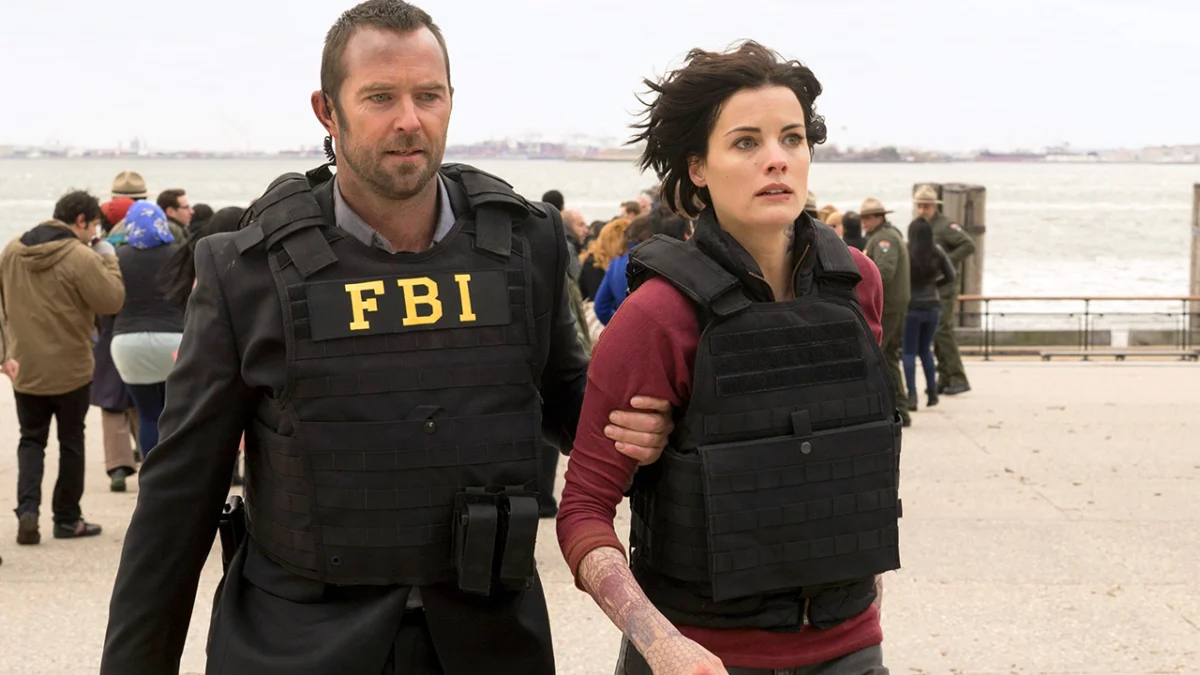
For those unfamiliar with the series, Blindspot offers a high-octane blend of mystery, crime procedural, and espionage thriller. The compelling narrative begins with the discovery of a mysterious woman (portrayed by Jaimie Alexander) found naked inside a duffel bag in Times Square, her body intricately covered in a complex array of fresh tattoos. The most striking element of her situation is her complete amnesia; she has no recollection of her identity or her past. The FBI, specifically Agent Kurt Weller (played by Sullivan Stapleton), quickly becomes involved when they discover that each of her cryptic tattoos holds a clue, often pointing to a crime that needs to be solved or a conspiracy that needs to be unraveled. The series skillfully weaves together standalone procedural elements with an overarching serialized mythology, exploring Jane Doe’s true identity, the origin of her tattoos, and the shadowy organizations behind her predicament. This intricate storytelling, coupled with intense action sequences and a charismatic cast, captivated audiences for five seasons on NBC and proved equally magnetic for Netflix subscribers.
The show’s ability to blend character-driven drama with episodic mysteries made it an ideal candidate for binge-watching, a format that Netflix excels at promoting. Viewers could delve into Jane’s mysterious past and the unfolding conspiracies without the week-long waits typical of network television, allowing for a more immersive and continuous viewing experience. This inherent bingeability undoubtedly contributed significantly to its "Netflix Effect" success.
The "Netflix Effect" and Blindspot‘s Unprecedented Streaming Performance
The term "Netflix Effect" has become industry shorthand for the phenomenon where older, previously aired television series experience a massive resurgence in popularity and viewership upon their arrival on Netflix. Blindspot serves as a textbook example of this, despite its relatively short stay. While it did not feature on Netflix’s Global Top 10 charts – primarily because its licensing was exclusive to the US market – its domestic performance was nothing short of staggering.
The series spent an impressive 29 consecutive days within the Netflix US Top 10 TV charts, a metric that indicates consistent, high-level engagement. However, it was the independent streaming data from Nielsen that truly illuminated the show’s colossal revival. According to Nielsen’s meticulously tracked streaming ratings, Blindspot accumulated an astonishing 349.3 million viewing hours during its Netflix run, translating to approximately 23.5 million full views of the entire series. To put this into perspective, such numbers often rival or even surpass those of some high-budget Netflix original series, highlighting the enduring appeal and broad accessibility that the platform offers to licensed content.
The success of Blindspot on Netflix wasn’t an isolated incident. Other network procedurals and comfort-viewing dramas like Suits, Manifest, NCIS, and Grey’s Anatomy have similarly experienced massive viewership bumps on the platform. This phenomenon is often attributed to several factors:
- Discovery: Netflix’s vast subscriber base and powerful recommendation algorithms expose older shows to entirely new demographics who may have missed them during their original broadcast run.
- Binge Culture: The availability of entire series allows viewers to consume content at their own pace, fostering deep engagement and rapid progression through seasons.
- Comfort Viewing: Procedurals, with their familiar structures and often self-contained episodes, provide reliable entertainment that many viewers gravitate towards, especially when seeking something less demanding than a complex new original series.
- Accessibility: For many, Netflix is a primary, if not sole, streaming subscription, making it the most convenient platform to access a wide range of content.
Blindspot‘s strong performance reaffirmed Netflix’s strategic decision to invest in licensed library content, recognizing its vital role in subscriber retention and acquisition, even as the company continues to pour resources into original productions.
The Evolving Landscape of Content Licensing in the Streaming Wars
The rapid departure of Blindspot after just one year is emblematic of the current, fiercely competitive streaming landscape. This "strict one-year window" is rapidly becoming the new standard, particularly for content owned by major media conglomerates that have launched or are bolstering their own streaming services. In this scenario, Netflix often serves as a powerful, temporary promotional vehicle and a significant source of licensing revenue for these studios.
Warner Bros. Television, the production company behind Blindspot, is part of Warner Bros. Discovery (WBD), a conglomerate that operates its own flagship streaming service, Max (formerly HBO Max). The strategic move by WBD and other studios like Disney (Disney+, Hulu), NBCUniversal (Peacock), and Paramount Global (Paramount+) is to leverage Netflix’s immense reach to re-introduce their older content to a new generation of viewers, generate licensing fees, and then, crucially, reclaim these popular titles to drive subscriptions to their proprietary platforms. This strategy aims to strengthen their own ecosystems and consolidate their intellectual property.
The decision to license Blindspot to Netflix for a limited period was likely a calculated move. It allowed Warner Bros. to capitalize on Netflix’s global distribution and marketing power, ensuring that the series received maximum exposure and generated renewed interest. Once that objective is met, and a significant licensing fee has been collected, the content can be pulled back into the Warner Bros. Discovery fold, theoretically bolstering Max’s library and attracting viewers who discovered or rediscovered Blindspot on Netflix.
Where Will Blindspot Land Next?
The immediate future streaming home for Blindspot in the US remains officially unconfirmed, adding to the uncertainty for its dedicated fanbase. However, given Warner Bros. Discovery’s ownership of the series, the most logical and probable destination is Max. Max already houses a vast array of Warner Bros. television series and films, and integrating a proven performer like Blindspot would align perfectly with its content strategy to offer a diverse library that appeals to a broad audience.
Despite this logical assumption, the series has not had a permanent, dedicated streaming home in the US previously, which raises questions about specific contractual agreements or strategic delays. It’s possible that Warner Bros. Discovery might be negotiating new, longer-term deals for the series, or perhaps planning its re-introduction on Max to coincide with a particular content push or promotional cycle. Another less likely but possible scenario could see it licensed to another platform, though this would contradict the current industry trend of studios consolidating their IP on their own services. For now, viewers are left speculating and hoping for a swift announcement regarding its next streaming destination.
Implications for Viewers and the Streaming Industry
The phenomenon of shows like Blindspot appearing and disappearing from major platforms has significant implications for both consumers and the broader streaming industry.
For Viewers:
- Content Fragmentation: Viewers face increasing fragmentation of content. A show they start on one platform might move to another, requiring multiple subscriptions and a constant effort to track where their favorite series reside. This can lead to "subscription fatigue" and frustration.
- Sense of Urgency: The limited licensing windows create a sense of urgency, pressuring viewers to binge-watch series before they vanish. While this can drive engagement in the short term, it also reduces the leisurely, on-demand aspect that initially attracted many to streaming.
- Loss of Convenience: The promise of streaming was unparalleled convenience – access to vast libraries anytime. This is eroded when content frequently shifts platforms, forcing viewers to adapt or miss out.
For the Streaming Industry:
- Shifting Content Strategies: Netflix, once the primary destination for licensed content, is now focusing more heavily on original programming, while also being more selective with its licensed acquisitions, often opting for shorter, more strategic windows. This reflects a pivot to control costs and differentiate its offerings.
- Increased Competition: The battle for library content is intensifying. Studios are less willing to license their crown jewels to competitors for extended periods, instead prioritizing their own streaming services as core business units. This makes content acquisition more challenging and expensive for platforms without deep proprietary libraries.
- The Value of Library Content: The success of shows like Blindspot on Netflix reaffirms the immense value of established library content. These shows provide comfort, nostalgia, and reliable viewership, complementing newer original productions. Studios are now keenly aware of this and are leveraging it to their advantage.
- Dynamic Pricing and Licensing Models: The industry is experimenting with more dynamic licensing models, including shorter windows, co-exclusive deals, and different pricing structures, reflecting the fluctuating market value of content.
Final Call to Action for Fans
With only a finite amount of time remaining, fans of Blindspot – both those midway through their first binge and those contemplating a rewatch – are encouraged to clear their schedules. With 100 episodes to navigate, deciphering Jane Doe’s intricate tattoos and unraveling the overarching conspiracy requires dedication and prompt action before the series disappears from Netflix US on June 7th, 2026. The departure of Blindspot serves as a potent reminder of the transient nature of streaming libraries and the ever-evolving dynamics of digital content distribution. Its successful, albeit brief, tenure on Netflix cemented its legacy as a show capable of captivating audiences across different viewing eras, even as its future streaming home remains a subject of keen anticipation.