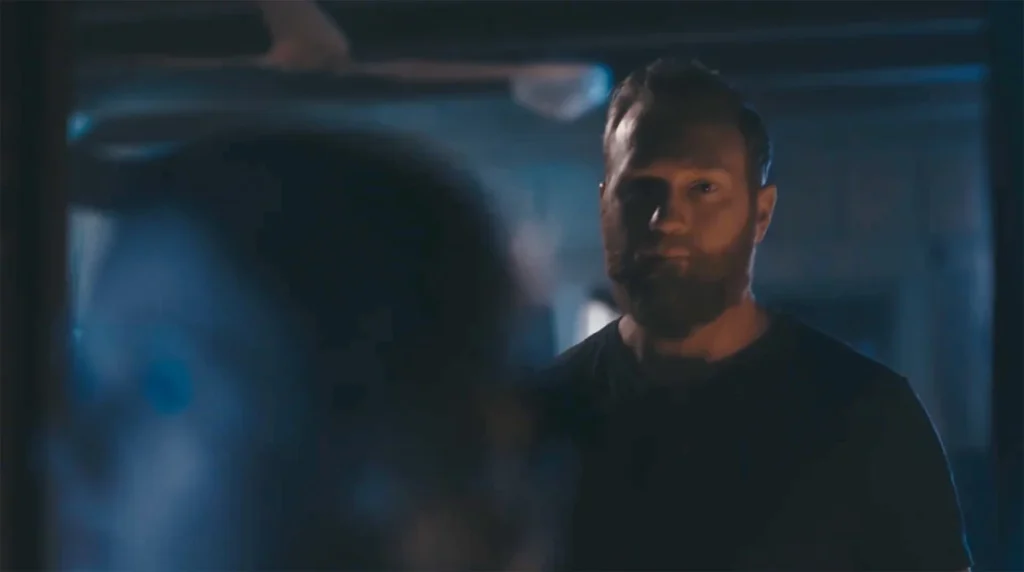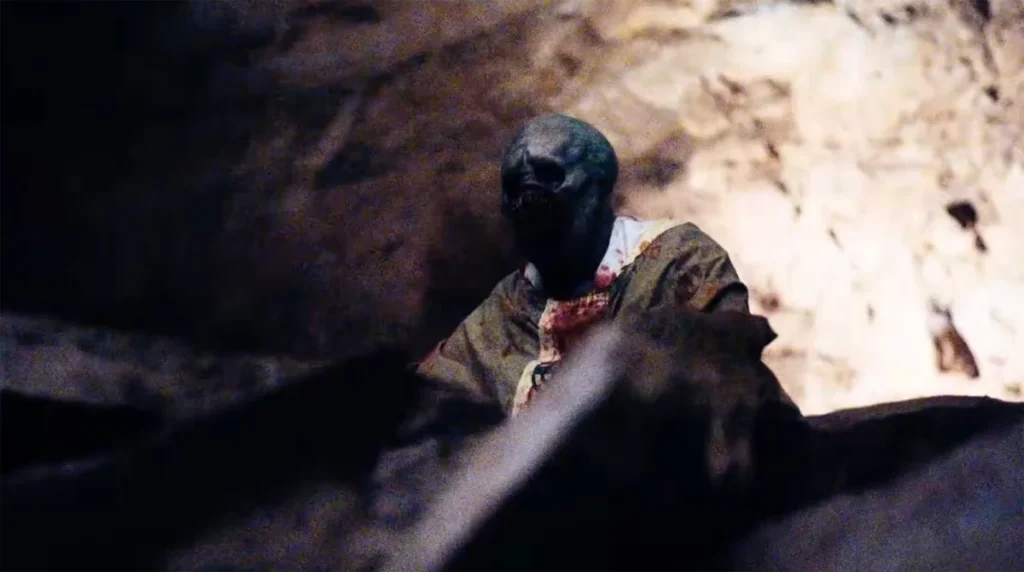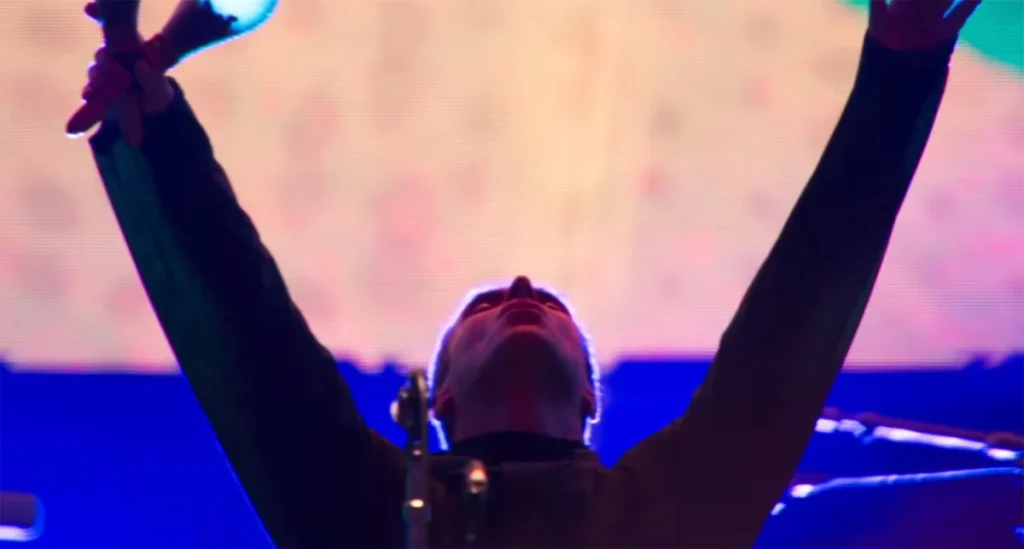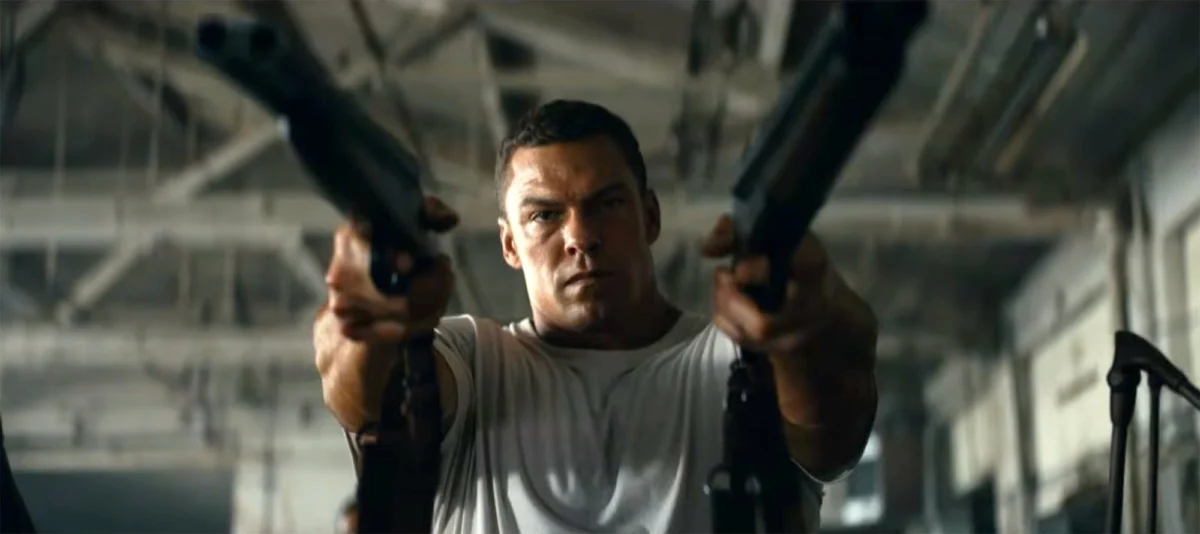
Independent Film Company has officially debuted the full-length trailer for Motor City, a visually driven action thriller set against the gritty backdrop of 1970s Detroit. Directed by Potsy Ponciroli and featuring a screenplay by Chad St. John, the film is scheduled for a limited theatrical release on July 24, 2026. This latest look at the production follows a successful festival run and a teaser campaign that highlighted the film’s unique stylistic choice: a total absence of spoken dialogue. Starring Alan Ritchson in the lead role, the film is positioned as a visceral, music-driven exploration of vengeance, loyalty, and urban decay, featuring a high-profile ensemble cast including Shailene Woodley, Pablo Schreiber, Ben Foster, and Ben McKenzie.
The narrative of Motor City centers on John Miller, portrayed by Ritchson, a working-class man whose life is upended when he is framed for a crime he did not commit. The antagonist, a ruthless local gangster, orchestrates Miller’s downfall after the protagonist falls in love with the gangster’s girlfriend. Following a multi-year incarceration, Miller returns to the streets of Detroit with a singular focus on retribution. The film’s "silent movie" approach relies on physical performance, immersive sound design, and a thunderous rock score composed by Detroit native Jack White to convey its emotional and narrative beats. This unconventional format has already drawn comparisons to recent minimalist action successes, emphasizing cinematic force over traditional script-based exposition.
Narrative Structure and Stylistic Ambitions
Motor City is defined by its commitment to visual storytelling, a departure from the dialogue-heavy crime dramas typically associated with the 1970s period setting. By stripping away verbal communication, director Potsy Ponciroli forces the audience to engage with the choreography of the action and the nuances of the actors’ facial expressions. The trailer showcases a series of high-stakes set pieces, ranging from brutal hand-to-hand combat to high-speed automotive pursuits through the industrial landscapes of the Motor City.
The decision to utilize a dialogue-free format is not merely a gimmick but a deliberate artistic choice intended to mirror the protagonist’s isolation and internal resolve. John Miller is presented as a man of action whose words were stolen from him by a corrupt system; his return to society is marked by a refusal to engage in the social contracts he once respected. This "operatic" scale of filmmaking aims to elevate a standard revenge plot into a sensory experience, utilizing the rhythmic pacing of Jack White’s score to dictate the flow of the narrative.
A High-Profile Ensemble and Creative Pedigree
The casting of Alan Ritchson marks a significant step in the actor’s transition from television success to leading man status in stylized independent cinema. Following his breakout performance in the series Reacher, Ritchson brings a formidable physical presence to the role of John Miller. In Motor City, his performance is reportedly more internal, requiring him to convey a complex range of grief and fury without the aid of dialogue.

Supporting Ritchson is an ensemble of veteran actors known for their intensity. Shailene Woodley takes on the role of the woman at the center of the conflict, while Pablo Schreiber and Ben Foster are expected to provide the film’s primary antagonistic forces. Ben McKenzie also appears in a key role, further rounding out a cast that brings significant prestige to an independent production.
Director Potsy Ponciroli continues his exploration of rugged, masculine narratives following the critical success of Old Henry (2021), a neo-Western that was praised for its atmosphere and restraint. With Motor City, Ponciroli shifts his focus from the American frontier to the urban rot of the 1970s, applying his signature focus on character-driven tension to a more modern, albeit period-specific, setting. The screenplay by Chad St. John, whose previous credits include London Has Fallen and Peppermint, provides the framework for this "pure cinema" experiment.
Chronology of Production and Festival Recognition
The journey of Motor City to the big screen has been one of steady momentum within the independent film circuit. The project first gained significant traction during its development phase, attracting attention for its bold script and the involvement of Jack White. Principal photography took place on location, capturing the authentic textures of 1970s-era architecture and industrial sites to ground the film’s heightened action in a tangible reality.
In September 2025, Motor City premiered at the Toronto International Film Festival (TIFF). The screening was a critical milestone, where the film was met with strong reviews that highlighted its technical proficiency. Critics at the festival described the film as a "gritty 70s music video" expanded into a feature-length narrative, praising the seamless integration of Jack White’s rock score with the film’s sound design. The positive reception at TIFF solidified the film’s reputation as a "must-see" for fans of the genre and paved the way for its distribution deal with Independent Film Company (IFC).
Following the festival circuit, the production team focused on a marketing strategy that emphasized the film’s unique auditory and visual identity. The initial teaser trailer released earlier in the year focused on the atmosphere, while the newly released full trailer provides a clearer look at the stakes of the revenge plot and the scale of the action sequences.
Historical and Cultural Context: 1970s Detroit
The choice of 1970s Detroit as the setting for Motor City provides a rich historical subtext to the film’s themes of betrayal and resurgence. During this decade, Detroit was a city in the midst of profound transformation. Once the thriving hub of the American automotive industry, the city began to face the pressures of deindustrialization, economic recession, and rising crime rates.

This era of Detroit is often depicted in cinema as a place of grit and shadows, making it the ideal backdrop for a revenge thriller. The film utilizes the iconic imagery of the era—muscle cars, heavy machinery, and the looming skeletons of factories—to create a world that feels both historical and mythic. By setting the film in this specific time and place, Ponciroli taps into the cultural memory of a city that was fighting for its soul, mirroring the protagonist’s own struggle to reclaim his life from the forces that destroyed it.
Furthermore, the involvement of Jack White adds a layer of cultural authenticity. White, a musician deeply associated with the Detroit garage rock scene, brings a sound that is inextricably linked to the city’s identity. His score is expected to function as the "voice" of the film, providing the emotional cues and narrative momentum that would typically be handled by dialogue.
Technical Execution and Sound Design
In a film without dialogue, the responsibility of the sound department is doubled. The immersive sound design of Motor City is a critical component of its storytelling. Every punch, every engine roar, and every ambient sound of the city is meticulously crafted to ensure the audience remains connected to the physical reality of the scenes.
The production utilized advanced recording techniques to capture the "visceral, propulsive spectacle" promised in the film’s promotional materials. This focus on audio-visual synchronicity is intended to create a cinematic experience that is more akin to a live performance or a silent era masterpiece than a contemporary blockbuster. The precision-crafted action stunts, which are featured heavily in the trailer, are choreographed to the tempo of the music, creating a rhythmic flow that defines the film’s pacing.
Broader Impact and Industry Implications
The release of Motor City represents a growing trend in the film industry toward high-concept, mid-budget action films that prioritize stylistic experimentation. Following the success of films like John Wick and Sisu, which also lean heavily on visual storytelling and minimal dialogue, Motor City pushes the concept to its logical extreme.
For independent distributors like IFC, a film like Motor City serves as a showcase for how traditional genres can be reimagined for modern audiences. By combining a high-profile cast with a daring narrative format, the film aims to attract both mainstream action fans and cinephiles interested in formal experimentation. The film’s success could encourage more directors and studios to move away from the dialogue-heavy "exposition dumps" that have become common in contemporary action cinema, favoring instead the "pure cinematic force" championed by Ponciroli.

Additionally, the film highlights the continued viability of the 1970s as a period of interest for filmmakers. The decade’s aesthetic—characterized by film grain, naturalistic lighting, and a certain moral ambiguity—continues to resonate with audiences, providing a counterpoint to the polished, CGI-heavy visuals of modern superhero cinema.
Release Schedule and Final Expectations
Motor City is set to begin its US theatrical run on July 24, 2026. The limited release strategy suggests that the Independent Film Company is targeting major metropolitan markets and independent cinemas where the film’s stylistic merits can be fully appreciated. Depending on its initial performance and word-of-mouth buzz, a wider expansion may follow.
As the summer movie season of 2026 unfolds, Motor City stands out as a unique entry that bypasses the conventions of modern blockbusters in favor of a raw, sensory-driven narrative. With its combination of Alan Ritchson’s physical performance, Potsy Ponciroli’s directorial vision, and Jack White’s sonic landscape, the film is poised to be a significant cultural talking point. Audiences seeking a departure from traditional storytelling will find in Motor City a film that speaks through action, music, and the enduring power of the visual image.