The conclusion of American Horror Story: 13 has prompted significant discussion regarding the creative trajectory of the long-running anthology series created by Ryan Murphy and Brad Falchuk. Following the series finale, titled "Devil of a Good Time," the production faces intense scrutiny from both critics and the dedicated fanbase. The season, which spanned 13 episodes, was intended to serve as a high-stakes exploration of the franchise’s established lore, yet it has instead become a focal point for debates concerning pacing, narrative coherence, and the integrity of the series’ established canon.
The Narrative Arc and Production Context
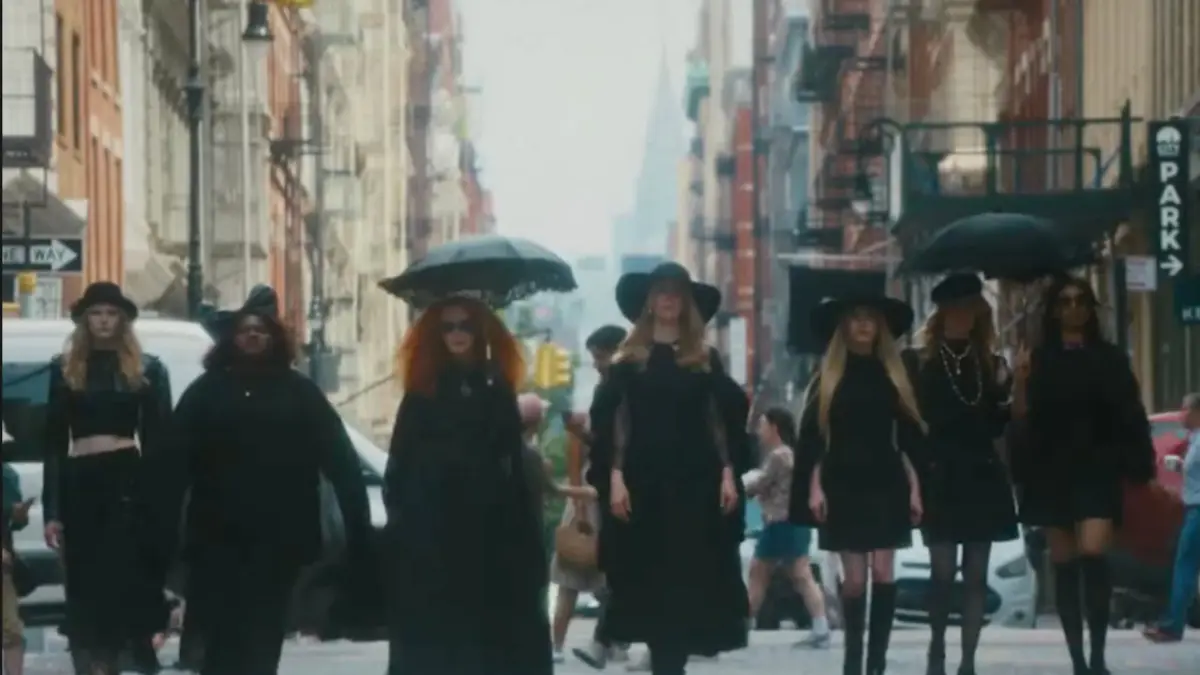
American Horror Story, which premiered on FX in 2011, has historically utilized a rotating cast and distinct thematic settings for each season. Season 13 was heavily marketed as a return to the roots of the series, explicitly drawing connections to the show’s "Holy Trinity"—the inaugural season, Murder House, the fan-favorite Asylum, and the witch-centric Coven. By bringing together threads from these foundational chapters, the production team aimed to satisfy long-term viewers who have tracked the show’s interconnected multiverse for over a decade.
However, the execution of this ambitious crossover has been met with skepticism. Production data indicates that the shift to a 13-episode format, compared to the standard 10-episode arc used in recent years, contributed to significant pacing irregularities. While the intent was to provide more breathing room for character development, the result appears to have been an expansion of side plots that failed to integrate into the central conflict.

Chronology of the Season Finale
The finale, "Devil of a Good Time," attempted to resolve a cliffhanger established in the penultimate episode, which depicted a coordinated assault against a supernatural antagonist. The resolution of this confrontation—wherein the primary antagonist abruptly ceases hostilities—has been criticized for undermining the tension built throughout the preceding weeks.
Key developments in the finale included:
- The Antagonist’s Withdrawal: The abrupt conclusion to the conflict with the season’s primary supernatural threat lacked the anticipated climactic struggle, leaving several plot threads regarding the nature of the "Antichrist" figure unresolved.
- Character Arcs: Characters such as Cordelia and the members of the Robichaux Academy, who have been staples of the Coven narrative, were placed in situations that viewers and critics noted as being inconsistent with their established motivations.
- The "Midlife Crisis" Twist: The decision by a central character to terminate his own existence at the age of 99.9, effectively disqualifying himself from an impending victory, served as the episode’s primary turning point. This narrative choice, while unexpected, has been highlighted as a moment of confusion that retroactively devalued the established stakes.
Supporting Data and Pacing Issues
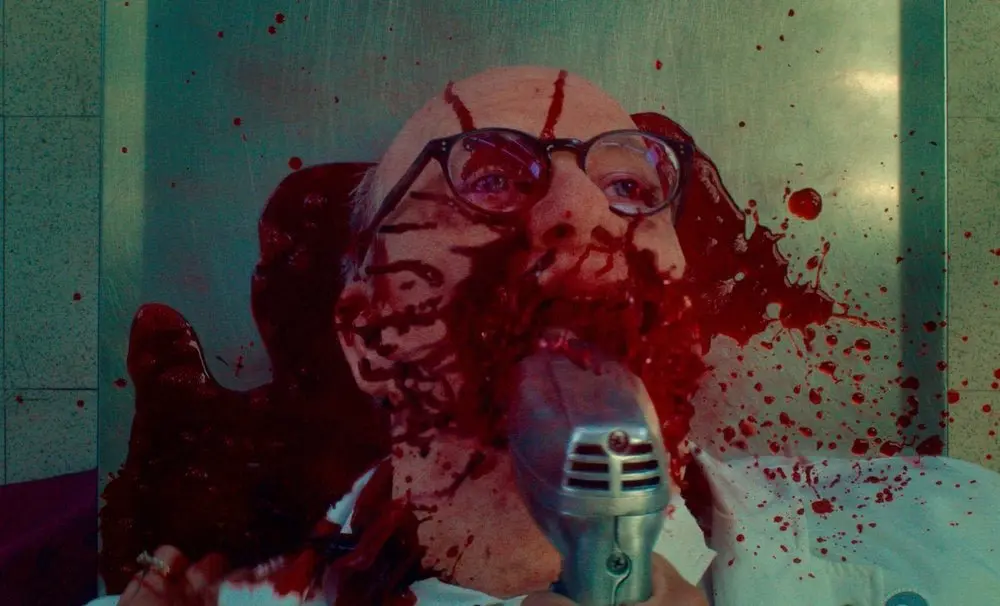
A critical analysis of the season’s structure reveals a disparity between the screen time allotted to thematic exploration and the time spent on peripheral stylistic choices. For instance, the inclusion of lengthy monologues—such as those delivered by the character Dr. Phibes, played by John Waters—while stylistically consistent with the show’s camp aesthetic, occupied substantial portions of the runtime that were arguably needed for plot resolution.
Furthermore, the rapid handling of significant plot points, such as the three-minute sequence detailing a complex pregnancy-to-birth narrative, stands in contrast to the slow-paced, atmospheric character studies for which the series was once known. This disparity has led to concerns regarding the editorial oversight of the season, particularly as the show attempts to manage an increasingly complex internal mythology.

Analysis of Thematic Implications
Beyond the immediate criticism of the plot, the season has raised broader questions about the nature of the American Horror Story franchise. The series has always operated on the premise of cyclical evil, often leaning into themes of karmic retribution and the inevitability of darkness. In this season, the writers attempted to position the apocalypse as a recurring, infinite event—a "purgatory" that would necessitate the perpetual return of new villains.
However, the finale pivoted away from this bleak, consistent philosophy toward a resolution that suggested human enlightenment and the cessation of evil. This shift created a tonal dissonance. By attempting to conclude on a note of optimism, the series risked contradicting the established cynicism that defined its most successful seasons. The lack of resolution regarding the "magic baby" introduced earlier in the season further suggests that the production may have struggled to reconcile its darker, nihilistic roots with a more traditional, "happy" conclusion.
Impact on the Franchise Legacy
The legacy of American Horror Story is deeply tied to its ability to reinvent itself. Each season represents a new genre exercise, from the haunted house tropes of the first season to the slasher-inspired narratives of later years. Because of this, the series has historically been insulated from the failures of any single season. However, because Season 13 explicitly anchored itself to the Murder House and Coven timelines, the perceived failure of this installment has potential long-term consequences for the franchise’s brand.
When a series attempts to revisit its "greatest hits," it risks alienating the audience if the new material does not measure up to the original quality. By integrating iconic characters from the early seasons into a narrative that many critics have described as disjointed, the production may have inadvertently tarnished the reputation of the seasons that preceded it.

Industry and Viewer Response
While FX has not released official viewership retention data for the finale, social media discourse and critical reviews from major entertainment publications suggest a consensus of disappointment. Many industry analysts point to this season as a sign that the anthology format may be suffering from "creator fatigue." Ryan Murphy, who has multiple active projects across various streaming platforms, has faced similar criticisms regarding the narrative focus of his recent works.
The industry implications are significant. As streaming services and cable networks look to monetize established intellectual property, the performance of American Horror Story: 13 serves as a case study in the risks of over-extending a series’ mythology. The audience’s reaction indicates that there is a finite limit to how many times a series can rely on nostalgia before it begins to feel like a regression rather than an expansion.
Conclusion
The conclusion of the 13th season of American Horror Story marks a definitive moment for the franchise. The disconnect between the high expectations set by the return to the Coven and Murder House lore and the final execution of "Devil of a Good Time" has highlighted systemic issues in the show’s current production cycle. Whether the series can recover its reputation in future seasons remains to be seen.
For many long-term viewers, the finale served not as a satisfying conclusion to a complex mystery, but as a reminder that even the most ambitious storytelling can falter under the weight of its own scope. As the franchise looks toward the future, the primary challenge for the production team will be to determine whether it is time to move forward with new concepts or if the current iteration of the series has reached its natural, if underwhelming, conclusion. The demand for tighter scripts, more meaningful character arcs, and a return to the atmospheric tension that defined the early years of the show remains the prevailing sentiment among the audience.