The television landscape for horror enthusiasts shifted significantly with the arrival of Peacock’s Crystal Lake, a prequel series that sought to peel back the layers of the Voorhees family mythology. As the first season concludes, the show’s creative architect, showrunner Brad Caleb Kane, has signaled a strategic pivot for a potential second season. With the iconic antagonist now established in his signature bag-headed appearance and roaming the woods, Kane suggests that the narrative constraints of the origin story have been lifted, paving the way for a more traditional slasher experience characterized by the visceral "Jason carnage" that defined the original film franchise.
The Evolution of the Friday the 13th Franchise
The Friday the 13th franchise, which debuted in 1980 under the direction of Sean S. Cunningham, has undergone numerous iterations over the past four decades. Following the original film, which focused on Pamela Voorhees as the primary antagonist, the series transformed into a supernatural slasher phenomenon upon the introduction of her son, Jason. Jason evolved from a deformed child in flashbacks to an unstoppable, masked force of nature.
Crystal Lake represents the most ambitious attempt to formalize the series’ backstory within a serialized television format. By focusing on the psychological and environmental factors that led to the emergence of the killer, the production team aimed to bridge the gap between human tragedy and legendary horror. However, this approach has faced scrutiny regarding the "how" and "why" of Jason’s survival and transformation. The introduction of scientific experimentation—specifically the controversial "Cockroach Jason" concept—has divided both critics and the core fanbase, creating a tension between those who appreciate the modern re-contextualization and those who prefer the ambiguity of the original supernatural slasher tropes.

A Shift in Narrative Direction
In recent discussions regarding the show’s future, Brad Caleb Kane has clarified that the first season was designed as a foundational exercise. The narrative arc was built to function as a self-contained exploration of character, but it was always intended to serve as a launchpad for a more aggressive, high-stakes sequel.
"I know exactly what I want to do with it," Kane stated during a recent interview with TVLine. "I know the thematics we’re going to approach. I have a general framework for what I want to do, and now that he’s out there and has the baghead, you can go full Friday the 13th in ways that you can’t when you’re leading up to that in Season 1."
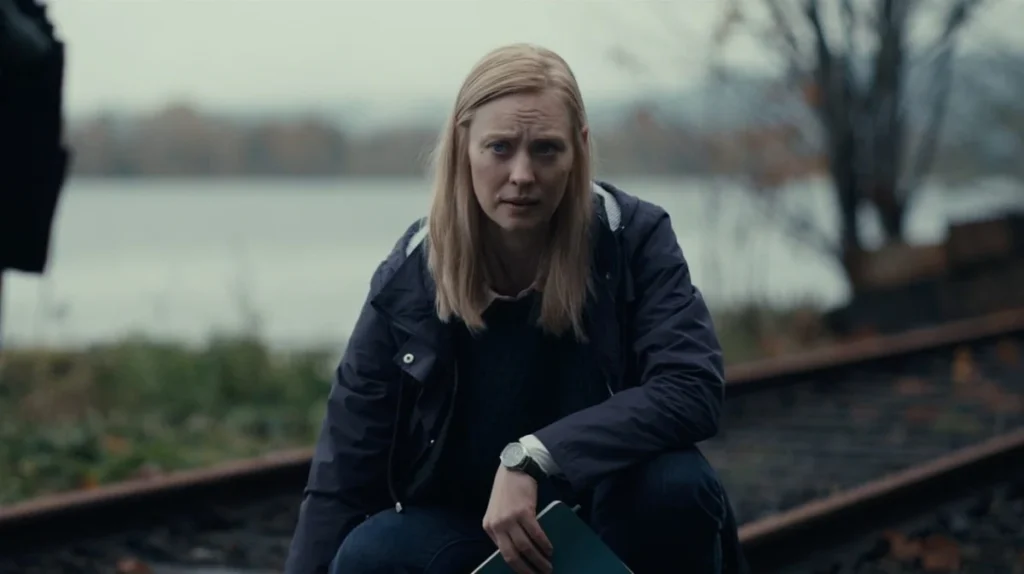
This sentiment suggests a departure from the slow-burn, atmospheric mystery of the freshman season. By establishing the character of Pamela Voorhees—portrayed with critical acclaim by Linda Cardellini—and positioning the young Jason in the woods, the production has effectively cleared the board for a more action-oriented horror experience. The "handcuffs" that Kane referenced are the limitations of an origin story; with those constraints removed, the writers are reportedly poised to lean into the genre conventions that made the 1980s slasher era iconic.
The Technical Craft: A Commitment to Practical Effects
One of the defining pillars of the Crystal Lake production, as emphasized by the show’s leadership, is a staunch commitment to practical effects over digital enhancement. In an era where computer-generated imagery (CGI) often dominates the visual language of horror, the team behind Crystal Lake took a deliberate, tactile approach to the show’s violent sequences.

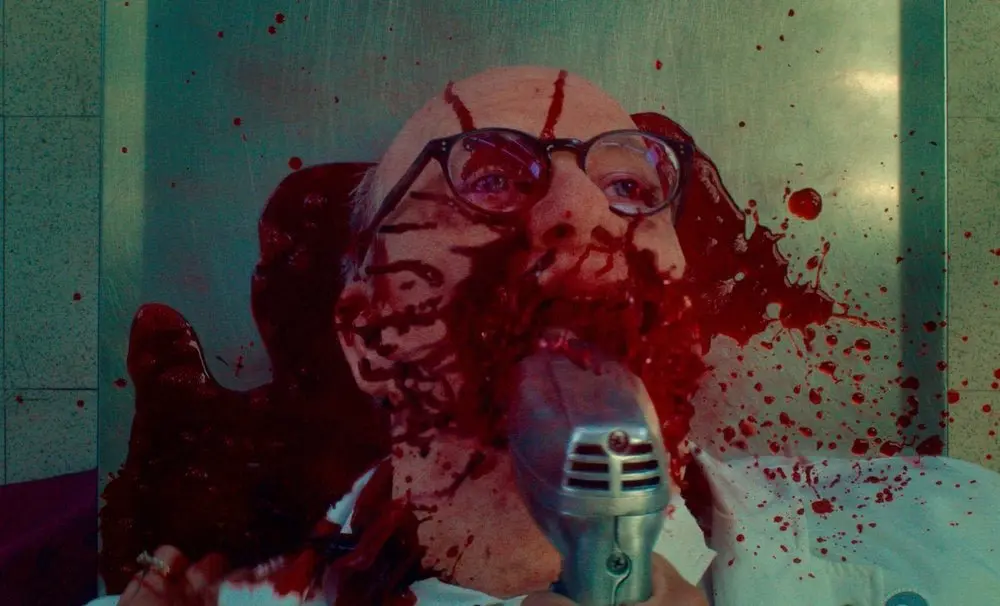
Kane noted that every kill in the first season was executed primarily through practical means. The production enlisted the expertise of practical effects makeup supervisor Dave Presto and special effects supervisor Johann Kunz to ensure that the gore felt grounded and authentic. "All of the kills were practical," Kane confirmed. "They all came out gloriously practical, and then occasionally, we would put some slight VFX over it if we needed to enhance it."
This methodology is not merely an aesthetic choice; it is a tribute to the legacy of the original Friday the 13th films, which were famously championed by the practical makeup artistry of Tom Savini. By relying on blood bags, prosthetic appliances, and on-set physical rigging, the production team aims to maintain a visceral quality that resonates with long-term fans of the genre. The "glorious mess" described by the showrunner suggests that the production culture remains deeply invested in the tactile history of the slasher sub-genre.
Critical Reception and Industry Context
The reception to Crystal Lake has been varied, reflecting the challenge of rebooting a legacy IP. Reviews, including those from Dread Central, have noted the show’s high production value and strong acting, particularly Cardellini’s performance. However, the discourse surrounding the show’s mythology—specifically the decision to explain Jason’s resilience through biological or scientific experimentation—remains a sticking point for many.
The "Eleven-style origin," as some critics have described it, risks alienating viewers who feel that explaining the inexplicable strips the character of his terrifying allure. Nevertheless, the show has succeeded in generating significant engagement, with all eight episodes currently available on Peacock. From a business perspective, the show acts as a flagship horror asset for the NBCUniversal streaming service, and its potential for a second season rests on balancing these complex mythological choices with the audience’s demand for the classic "slasher" beats.

Broader Implications for the Slasher Genre
The potential move toward a more traditional, carnage-heavy second season is indicative of a broader trend in the horror genre: the "legacy-quel" or "prequel-to-slasher" transition. Studios are increasingly looking to long-dormant franchises to provide content for streaming platforms, often attempting to modernize these properties while maintaining a tenuous connection to the original films.
The implication for Crystal Lake is clear: if the show is renewed, it must successfully bridge the gap between the prestige-television drama of the first season and the high-octane horror that the Friday the 13th brand is known for. The showrunner’s confidence suggests that the infrastructure for this transition is already in place. By focusing on the antagonist’s movement through the landscape, the show could shift from a character-driven drama to an ensemble-based survival horror.
Conclusion: The Path Forward
As the industry monitors the performance of the series, the path for Crystal Lake seems to be defined by a delicate negotiation between innovation and nostalgia. Brad Caleb Kane’s vision for a more kinetic, "Jason-focused" second season is a direct response to the feedback loop between creators and the fanbase.
While the show has navigated a complicated path in its debut season, the groundwork for a more aggressive expansion of the Friday the 13th universe is set. Whether the creative team can satisfy the purists while continuing to build upon their new, complex mythology remains the central question for the show’s future. For now, the narrative momentum is pushing toward the woods of Crystal Lake, where the mask—or in this case, the bag—awaits its next chapter in one of cinema’s most enduring legacies. The shift toward a more visceral, practical-effects-driven horror format may be exactly what is needed to solidify the show’s place in the modern landscape of the franchise.