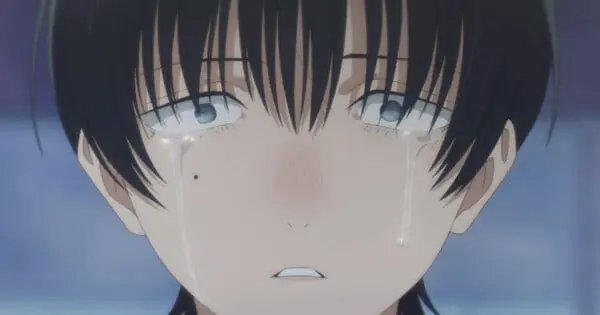
The latest installment of Blue Box, titled Love is the Most Powerful Feeling, serves as a pivotal narrative turning point for the second season, shifting the focus from the blossoming romance between protagonists Taiki Inomata and Chinatsu Kano toward the complex psychological development of secondary character Yumeka Goto. As the series progresses, the introduction of Yumeka has provided a necessary structural contrast to the primary romantic arc, grounding the show’s high-school setting in the harsh realities of athletic burnout, familial instability, and the transition from childhood prodigy to professional-track athlete.
The Anatomy of Athletic Burnout
At the core of the episode is Yumeka’s candid admission: "I guess the talent that made me good in elementary school won’t be enough anymore." This statement encapsulates a universal struggle within competitive sports. In pedagogical and athletic development, this phenomenon is often referred to as the "talent plateau." While early-stage success is frequently attributed to innate physical or cognitive aptitude, the transition to high-level competition requires a shift toward rigorous, disciplined practice and mental resilience.
Statistically, youth sports experience a significant attrition rate as athletes approach their teenage years. According to various studies on youth development, approximately 70% of children quit organized sports by the age of 13. The reasons cited—lack of enjoyment, excessive pressure, and the realization that innate talent no longer provides a competitive edge—are precisely the themes explored in this episode. Yumeka’s struggle illustrates the transition from the "play" phase of childhood to the "performance" phase of adolescence, where the psychological burden of maintaining high performance can lead to chronic anxiety and, ultimately, the loss of passion for the sport itself.
Chronology of the Narrative Arc
To understand the weight of the episode, one must contextualize the timeline of the series. The first season of Blue Box established the initial dynamic between Taiki and Chinatsu, rooted in their shared dedication to badminton and basketball, respectively. As the series moved into its second season, the narrative began to introduce characters whose lives are not defined solely by the success of the protagonists, but by the systemic pressures placed upon them.
- The Foundation: The early episodes of the season reinforced the high-pressure environment of the school’s sports clubs, establishing a baseline of expectation for characters like Chinatsu and Yumeka.
- The Catalyst: The flashback sequence in Episode 4 reveals the origins of Yumeka’s disillusionment. It provides a stark look at her past, where the joy of basketball was once untarnished by the complications of her home life.
- The Confrontation: The episode depicts the specific moment of emotional rupture where Yumeka’s personal life—specifically the divorce of her parents—collides with her athletic responsibilities.
- The Resolution Path: By the end of the episode, the narrative shifts toward recovery, utilizing the character of Sosuke as a supportive anchor, suggesting that emotional stability is a prerequisite for athletic success.
Socio-Emotional Context and Character Dynamics
The episode handles the subject of parental divorce with a level of gravity that distinguishes it from standard romantic comedy tropes. By presenting the domestic environment as a source of psychological stress, the writers elevate Yumeka’s internal conflict. In the context of the story, her father, once viewed as the archetype of strength, is revealed to be fallible. This realization acts as a catalyst for her identity crisis; if the pillars of her childhood strength have crumbled, her own capacity to excel in sports feels equally tenuous.
This characterization is essential for the show’s world-building. While Taiki and Chinatsu navigate the "breezy" trials of teenage romance, Yumeka represents the reality of those who do not have the luxury of focusing solely on their relationships. Her perspective challenges the audience to consider the "invisible labor" required to maintain a facade of competence when one’s personal life is in turmoil.

Analysis of Supporting Characters
The inclusion of Sosuke, Yumeka’s partner, serves as a vital structural component of the episode. In sports-centric narratives, the "support system" character is often marginalized. However, Sosuke is depicted as an emotionally intelligent peer who provides stability. His role is not to "fix" Yumeka, but to facilitate her path toward self-reflection. His appreciation for her, combined with his understanding of the specific tension between her and Chinatsu, highlights a level of maturity that is frequently absent in school-aged dramas. This dynamic provides a counter-narrative to the idea that teenage relationships are inherently volatile, instead positing that mutual support is a critical component of personal development.
Broader Implications for the Series
The thematic depth introduced in this episode suggests that the second season of Blue Box is aiming for a more mature exploration of its premise. By grounding the "earth-shaking" conflicts of the leads against the more severe struggles of secondary characters, the narrative creates a more credible, textured world.
The episode serves several functional purposes for the series’ ongoing arc:
- Emotional Credibility: It validates the characters’ internal struggles by contrasting them with real-world, relatable problems.
- Pacing: It prevents the central romance from becoming repetitive by introducing external stressors that require the characters to grow as individuals rather than just as a couple.
- Thematic Expansion: It shifts the series’ focus from "love as a goal" to "love as a source of strength" during periods of transition.
As the series continues, the implications for the protagonists are clear. If the world is as demanding and unpredictable as Yumeka’s experience suggests, Taiki and Chinatsu’s relationship will likely face significant external pressures. The success of this episode lies in its ability to remind the viewer that the world continues to move regardless of individual romantic entanglements, and that true character growth comes from navigating these larger, more complex systems.
Conclusion
Love is the Most Powerful Feeling is a notable departure from the lighthearted tone typically associated with the genre. By addressing the mechanics of athletic burnout and the psychological impact of family dissolution, Blue Box has effectively raised the stakes for its second season. The episode succeeds not because of its drama, but because of its commitment to exploring the nuanced reality of being a young athlete. Through the lens of Yumeka Goto, the show has provided a poignant, well-structured look at the necessity of balancing personal ambition with emotional health. As the season progresses, it is expected that these themes will continue to define the development of the cast, setting a high standard for narrative depth within the current streaming landscape.
Blue Box Season 2 is currently available for viewing on the Netflix platform, with episodes releasing on a scheduled basis. The series continues to be produced under the stewardship of its established creative team, maintaining the visual fidelity and narrative pacing that have contributed to its critical reception.