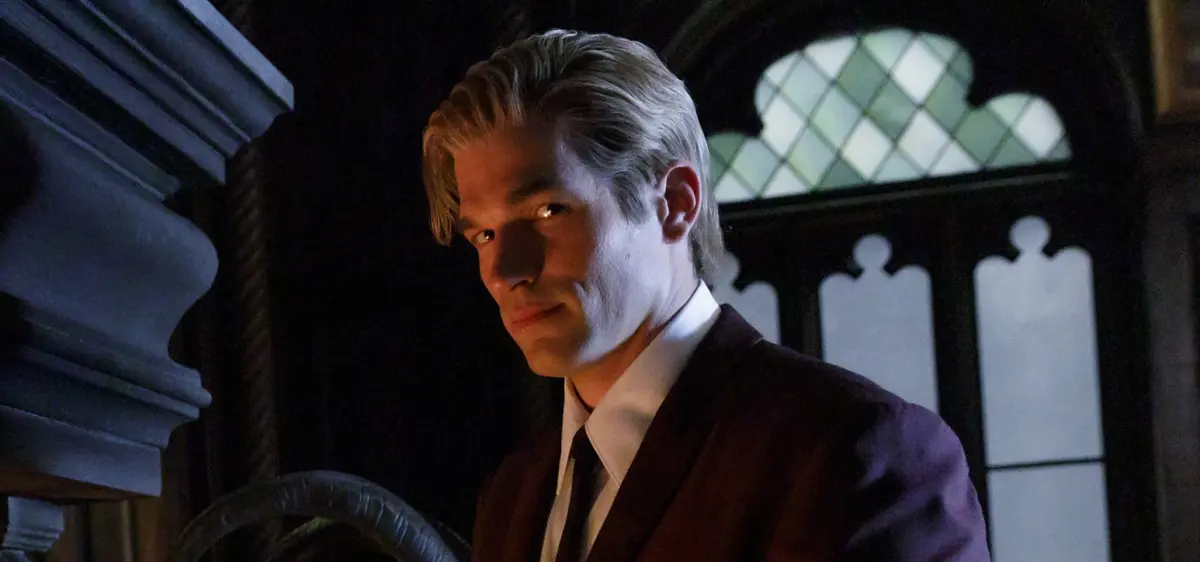
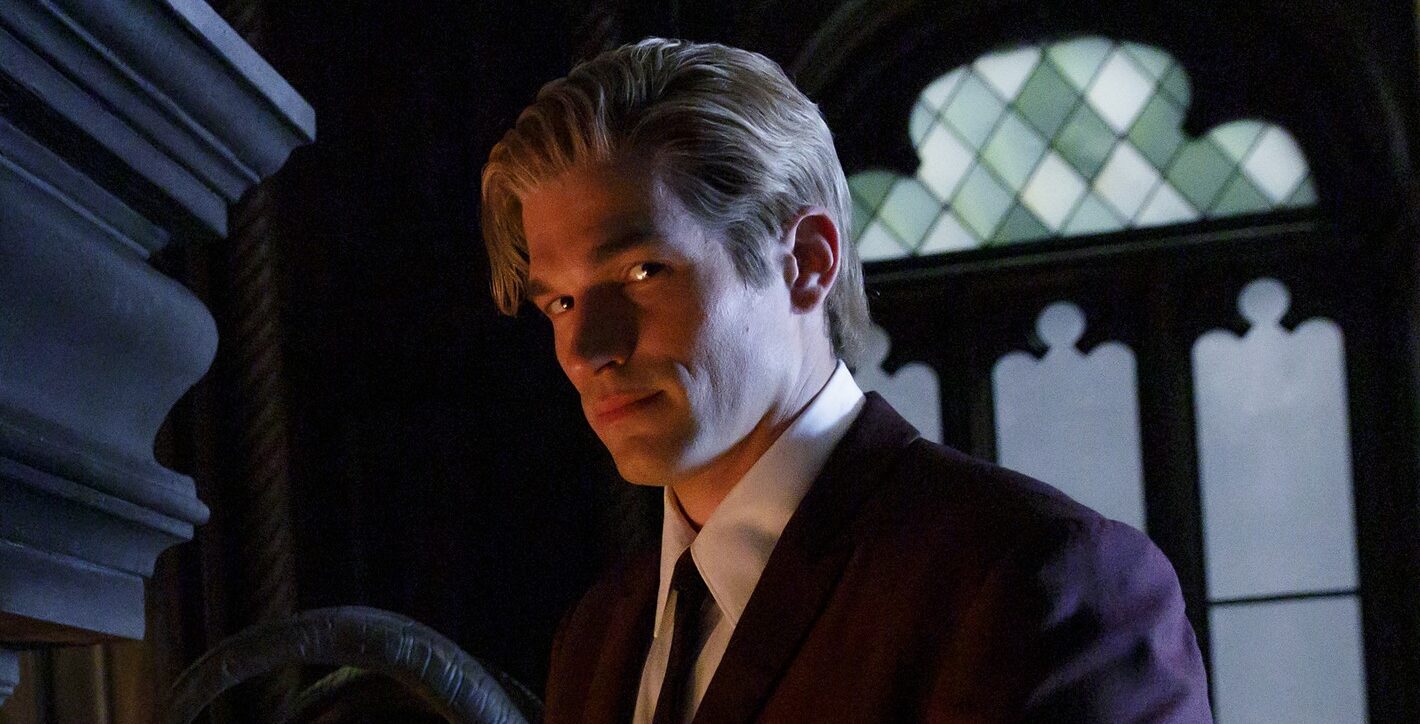
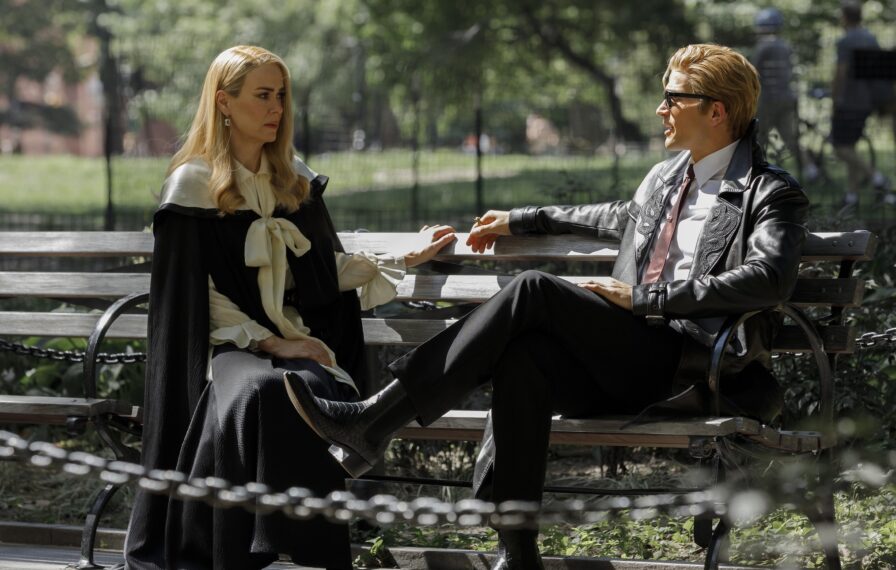
After 13 seasons of navigating the complex, often chaotic landscape of murder, supernatural mayhem, and macabre mythology, Ryan Murphy’s American Horror Story has finally pulled back the curtain on its most elusive antagonist: the literal embodiment of Satan. In the Season 13 finale, titled "Devil of a Good Time," the series introduced Mr. Nas, portrayed with unexpected nuance by actor Paul Anthony Kelly. The character’s emergence serves as a pivot point for the franchise, challenging the long-held binary perceptions of good and evil that have defined the show’s narrative arc since its 2011 debut.
The Mythos of Mr. Nas and the Century-Long Wager
The narrative arc of Season 13 centered on a high-stakes theological gamble. For nearly a century, Mr. Nas—the Handson Devil—engaged in a calculated, slow-burn competition with the divine. The terms of this wager were absolute: if Nas could maintain a consistent, pervasive human presence on Earth for over 100 years, he would secure permanent dominion over Heaven, Hell, and Earth. This plot point functions as a meta-commentary on the series’ own longevity, mirroring the 13-season trajectory of American Horror Story, which has consistently dominated the horror television landscape for over a decade.
However, the finale subverts the classic "power-grab" trope. Upon reaching the precipice of total victory, Nas experiences a sudden shift in perspective. Rather than ascending to the throne of existence, he opts to abandon his pursuit. According to actor Paul Anthony Kelly, this is not an act of benevolence, but a realization regarding the nature of his own desires. "He’s not entirely an evil guy. Evil adjacent, sure, but that’s just his job," Kelly noted in an interview. The character concludes that the administrative burden of managing billions of human souls is not merely a "headache," but an antithesis to the very chaos he thrives upon. For a being whose essence is tied to the art of torment and temptation, the absolute authority of a ruler provides no challenge—and, therefore, no satisfaction.
Chronology of the 13th Season Conflict
The events leading up to the Season 13 finale have been characterized by a distinct escalation in both scale and intimacy. While previous seasons often focused on localized hauntings or specific archetypal horror tropes—such as the Murder House or the Coven—Season 13 widened the lens to include the structural hierarchy of the afterlife.
- Early Season: The introduction of the "Handson Devil" persona, Mr. Nas, begins to influence the lives of the Coven members, specifically Cordelia Goode, played by Sarah Paulson.
- Mid-Season: Mr. Nas consolidates power, recruiting followers such as Mr. Phibes (John Waters) while simultaneously testing the resolve of the show’s established protagonists.
- The Climax: The "Devil of a Good Time" episode reveals the expiration date of the century-long bet, forcing a final confrontation between the infernal and the mortal.
- The Resolution: The finale concludes with the containment of Mr. Nas within the imagery of Leonardo da Vinci’s The Last Supper, a symbolic imprisonment that places him in the role of Judas Iscariot.
The Familial Dynamic: A New Lens on Evil
One of the most compelling aspects of the Season 13 finale is the shift in the relationship between Satan and the Witches. Rather than treating the Coven as mere collateral damage, the series frames the conflict as an intergenerational "family feud." The revelation that the Witches share a bloodline with the Devil provides a narrative justification for his erratic, often inconsistent behavior toward them.
Kelly emphasizes that this connection is why Nas refuses to eliminate Cordelia Goode when given the opportunity. Instead of viewing her as a rival to be extinguished, he recognizes the "defiance" in her nature—a trait he identifies as a reflection of himself. This psychological complexity suggests that in the American Horror Story universe, evil is not an external force, but a legacy passed down through generations. This development forces the audience to reconsider the morality of the protagonists, who, by virtue of their shared heritage with the antagonist, occupy a more morally gray territory than previously assumed.
Analysis: The Existential Crisis of the Prince of Darkness
From a thematic standpoint, the portrayal of Mr. Nas introduces an existential crisis that is rarely explored in horror media. By characterizing the Devil as someone experiencing a "midlife crisis," the show humanizes a figure traditionally depicted as a flat, malevolent force. This is not merely a stylistic choice; it represents a fundamental change in the series’ storytelling strategy.
Historically, American Horror Story has relied on the spectacle of the grotesque. However, in Season 13, the focus has shifted toward the internal conflict of the monster. The "administrative nightmare" of world domination serves as a metaphor for the exhaustion of the villain trope. When a character has reached the zenith of their power, they are often left with nothing but the boredom of maintenance. By having Nas reject his win, the show suggests that the "game" of the series is far more important than the final outcome.
Public and Critical Reception
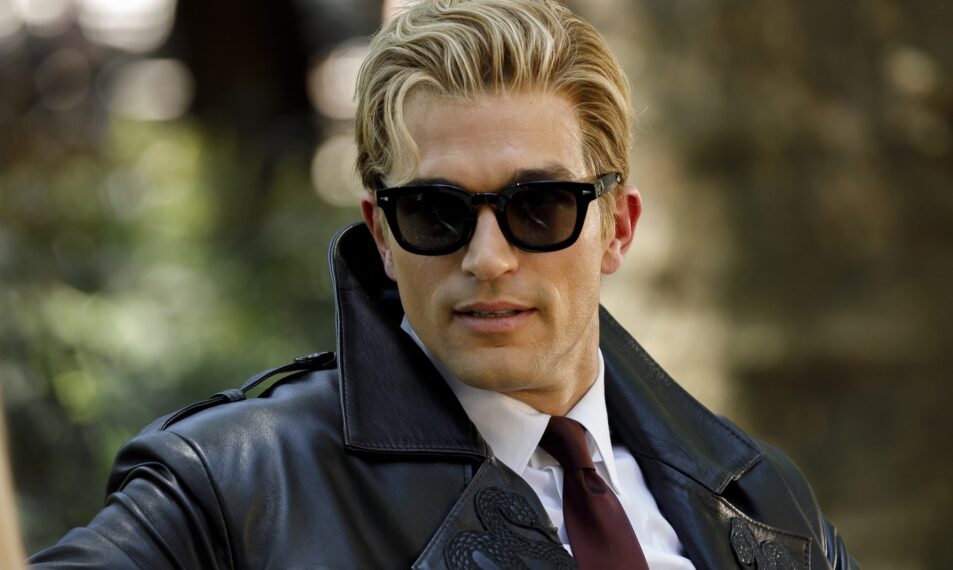
The casting of Paul Anthony Kelly has been noted for its departure from traditional depictions of Satan in film and television. By eschewing the demonic, horns-and-fire aesthetic for a more calculated, "human-adjacent" performance, the show has managed to maintain the tension of the horror genre while simultaneously inviting critical analysis regarding the nature of accountability.
Furthermore, the finale’s final twist—trapping Nas in The Last Supper—has sparked significant fan discourse regarding the potential for future returns. Given the cyclical nature of the anthology series, the "imprisonment" of the character provides a narrative tether that could easily be revisited in future iterations. When asked about the possibility of an escape, Kelly expressed enthusiasm, noting that the character’s arc is far from closed. "He’s a fractured and tormented individual," Kelly explained, leaving the door open for the "Lightbringer" to return in a capacity that might, perhaps, align more closely with his own internal desires rather than his diabolical requirements.
Implications for the Franchise
The conclusion of Season 13 leaves the American Horror Story universe in a state of suspended uncertainty. By effectively benching the primary antagonist of the universe—the Devil himself—the show has cleared the board for a new era of storytelling.
The broader impact of this finale is the total subversion of the "final battle" expectation. In most horror franchises, the defeat of the central villain is the climax. Here, the "defeat" is a voluntary surrender, a choice that carries more weight than any physical confrontation. It positions the show as a series that is no longer interested in the triumph of good over evil, but rather in the coexistence of both, and the exhausting reality of maintaining such a balance.
As viewers digest the events of the finale, the question remains: what happens when the Devil decides he no longer wants to be the villain? If the events of Season 13 are any indication, the answer is that the horror does not end—it simply changes shape. By humanizing the most iconic figure of terror, American Horror Story has ensured that its next chapter will be defined not by the fear of the monster, but by the complexity of his motives.
With Season 13 now available on Hulu, the series stands as a testament to the longevity of the horror genre. By blending high-concept theological stakes with the grounded, personal failures of its characters, the production team has successfully managed to keep the series relevant, challenging, and undeniably "horror" in its most existential sense. Whether or not Mr. Nas will emerge from his painted prison in future seasons remains a mystery, but the impact of his departure has fundamentally altered the landscape of the series forever.