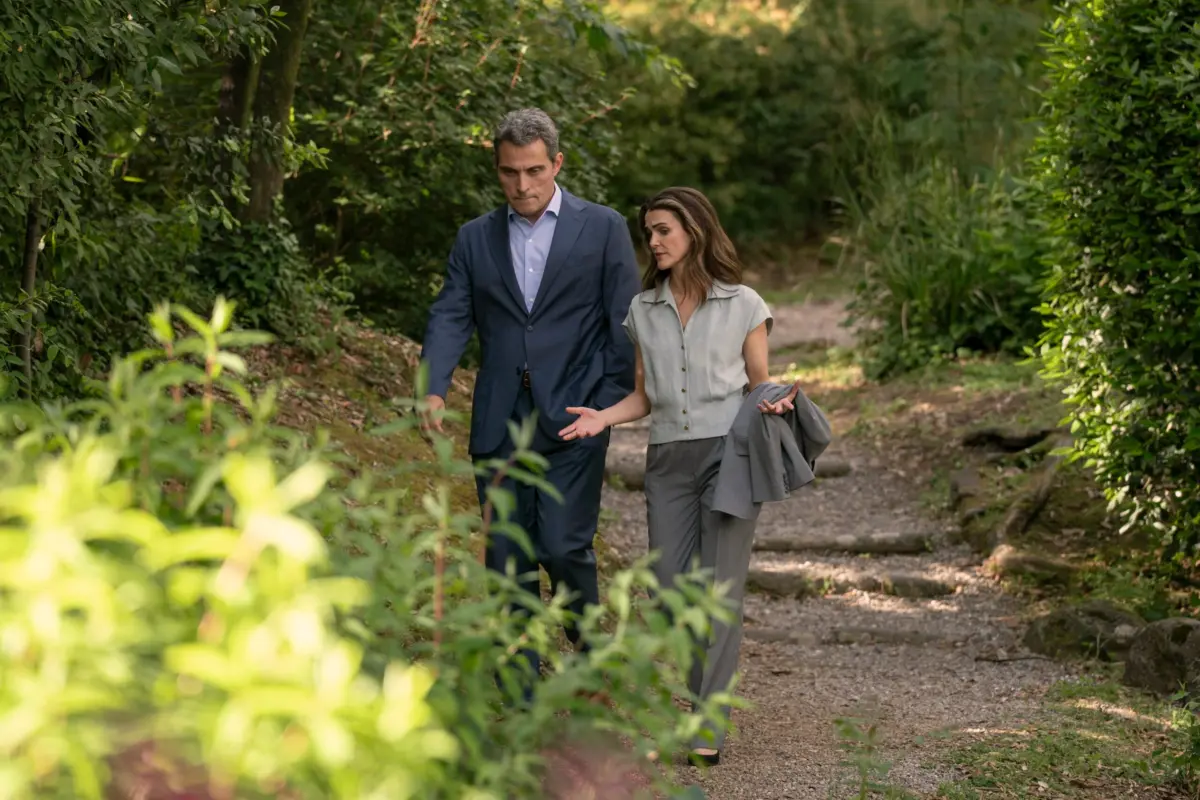
Netflix’s critically acclaimed political thriller The Diplomat has carved out a unique space in modern television, blending high-stakes international relations with a sharp, sartorial elegance that rivals any prestige drama on air. Created by Debora Cahn, the series follows career diplomat Kate Wyler (Keri Russell) and her charismatic, scheming husband Hal Wyler (Rufus Sewell) as they navigate the treacherous waters of global diplomacy. While Washington, D.C., and Westminster are often characterized by drab bureaucracy in the real world, The Diplomat presents an environment where political professionals operate at the absolute peak of fashion. Behind this aspirational yet grounded aesthetic is costume designer Jenny Gering, who joined the production in its second season and has since defined the visual language of the show’s cutthroat political landscape.
The Chronology of Creation: From Script to the G7 Summit
The logistical challenge of outfitting a sprawling international political drama is immense, requiring months of meticulous planning, historical research, and cross-continental execution. Production for the show’s pivotal fourth season spanned from November through February, primarily based in New York City, with additional location shoots in London and Florence. For Gering and her team, the overarching narrative demands constant adaptation, as scripts often evolve concurrently with wardrobe preparation.
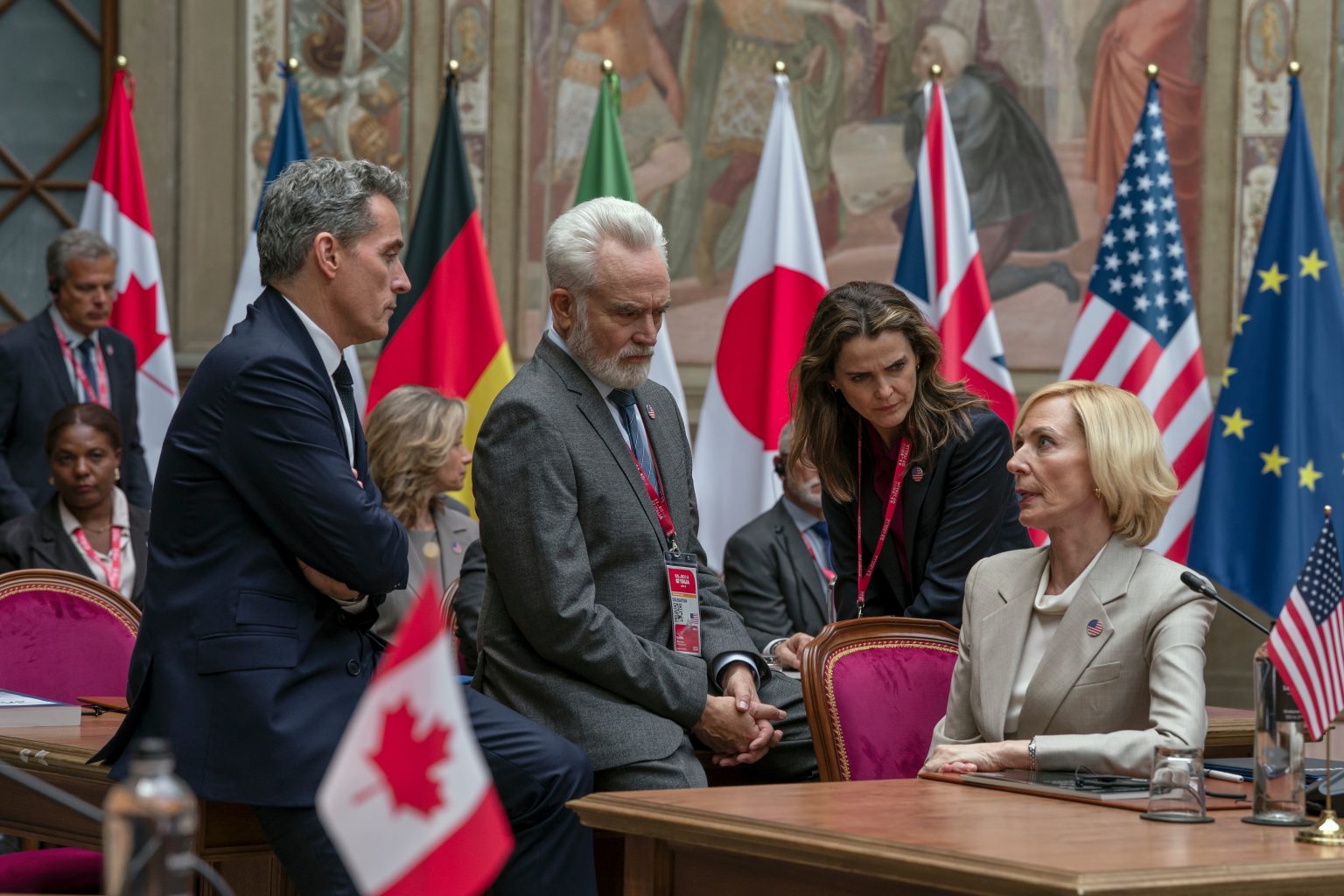
The culmination of this exhaustive process is reached in the season four finale, which features a massive G7 summit. Gering has described the sequence as the “Super Bowl” of costume design for the series. Because the finale scripts were still being finalized while production was underway in New York and London, Gering’s department was forced to engage in continuous preparation for episodes seven and eight simultaneously. The final assembly of the G7 scene required a delicate orchestration of international tailoring, ensuring that heads of state, diplomats, and aides from countries including the United States, France, Italy, and Japan reflected both cultural authenticity and individual national styles.
The Language of Wardrobe: Armor, Vulnerability, and Power
Gering approaches her craft through a psychological lens, treating garments not merely as clothes, but as a distinct language that communicates character subtext, emotional states, and tactical positioning. In the high-stakes ecosystem of international politics, clothing functions as a uniform and a shield.
This philosophy is particularly evident in the character arcs of President Grace Penn (portrayed by Allison Janney) and the Wylers. For President Penn, Gering collaborated closely with showrunner Debora Cahn to map out a visual evolution that mirrors the character’s political isolation. Seeking to convey an aura of untouchable authority and an "ivory tower" mentality, Gering drew subtle conceptual inspiration from historical figures like Elizabeth I. Penn’s tailored suits and structured blouses are custom-built entirely from scratch rather than sourced off-the-rack, projecting a formidable presence that successfully navigates the fine line between masculine authority and traditional femininity in a male-dominated arena.
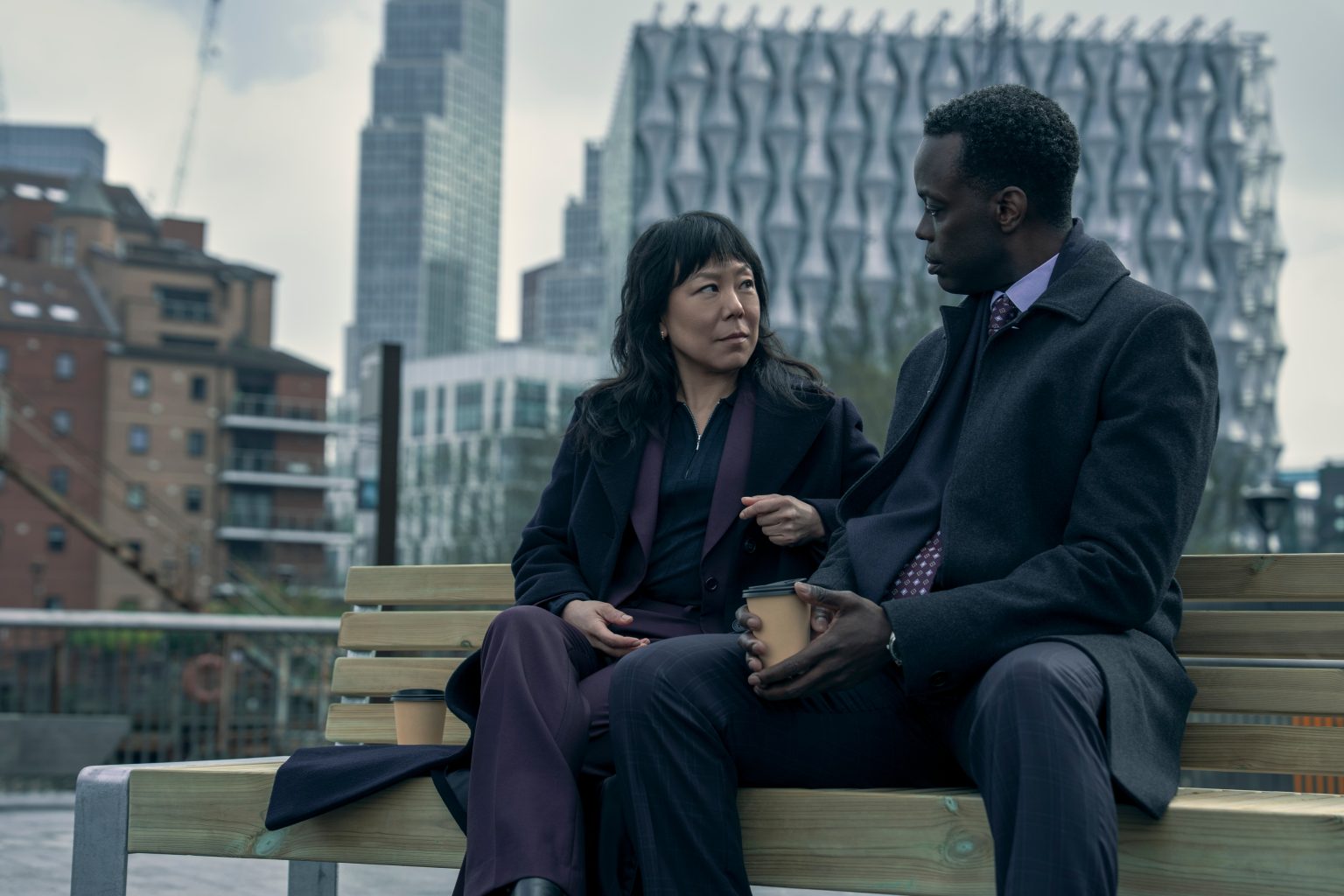
Conversely, Hal Wyler’s wardrobe as Vice President requires a precise calibration of mainstream appeal and diplomatic accessibility. His ties and bespoke tailoring are carefully selected to project leadership without alienating traditional constituencies. Meanwhile, supporting characters such as Chief of Mission Eidra Park (Ali Ahn) undergo dramatic shifts that reflect their internal emotional states. In a standout romantic moment in the season finale, Park transitions away from her customary "battle armor"—characterized by rigid jewel-toned column dresses—into a soft, romantic pink gown, visually signaling vulnerability and a rare moment of personal reprieve alongside Stuart Hayford (Ato Essandoh).
Tailoring Realism: Navigating Cultural Nuance and Script Integration
Achieving authenticity in a series depicting global geopolitics demands rigorous historical and cultural research. When designing for foreign dignitaries at the G7 summit, Gering relied heavily on archival reference material to differentiate between the conservative tailoring traditions of various nations. For instance, the cut, silhouette, and color palette considered appropriate for a Japanese prime minister differ significantly from those of an Italian or French head of state. Every detail, down to the aides ushering officials through conference doors, was subjected to intense scrutiny to maintain the illusion of a genuine international summit.
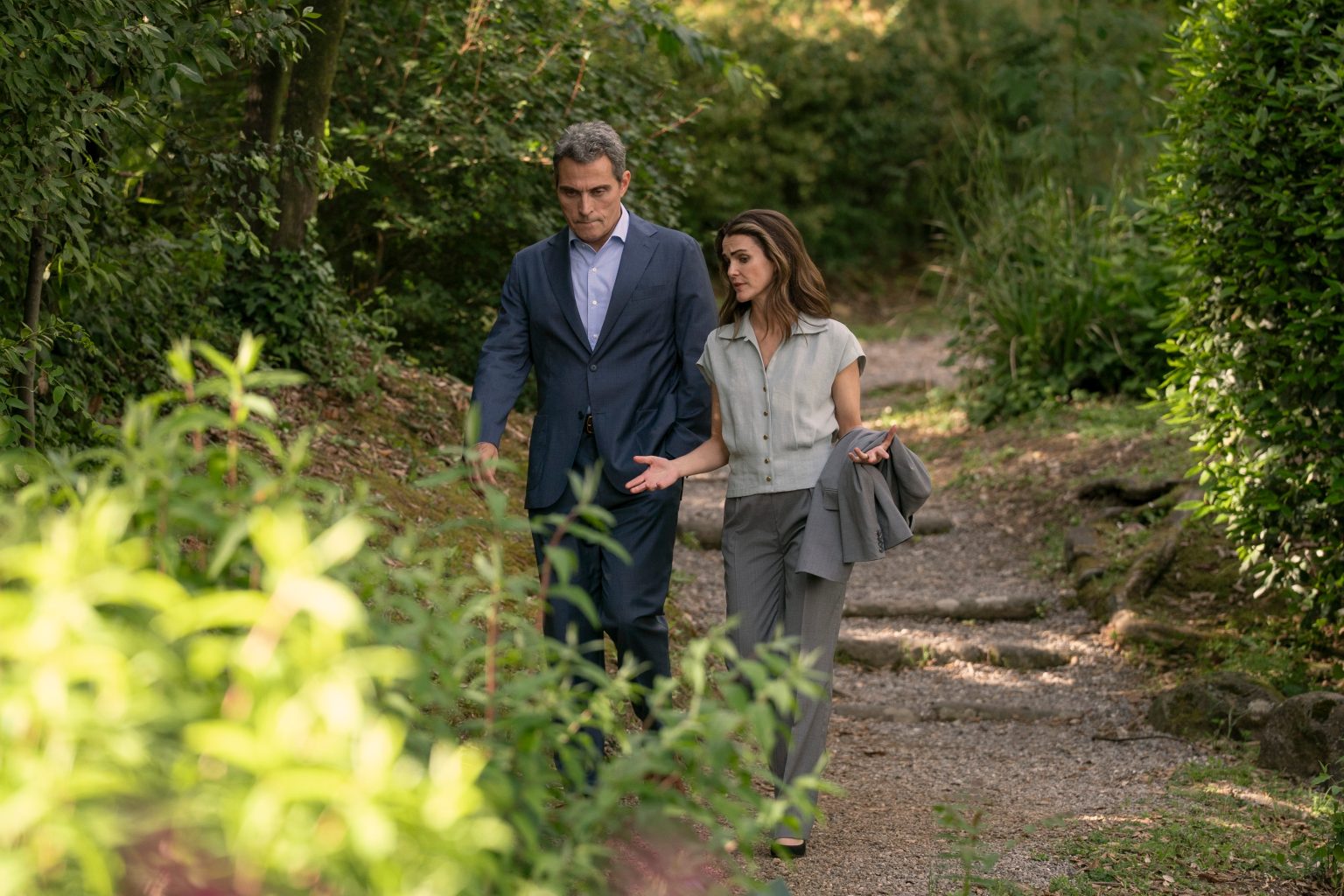
The synergy between the writing staff and the costume department further enhances the realism of The Diplomat. Cahn’s scripts frequently incorporate physical business involving clothing, such as a tailor measuring shirt shoulders or a humorous packing routine involving a suitcase. Gering notes that these narrative inclusions allow the costumes to actively participate in the action rather than merely serving as background aesthetics. Similarly, Gering’s ongoing collaboration with lead actress Keri Russell relies on a streamlined shorthand focused on practicality and narrative continuity. Outfits are continually evaluated to ensure they accommodate the physical demands of complex scenes, such as transitioning effortlessly from an outdoor gala to a high-pressure video conference with the President.
Broader Implications and Cultural Impact
The meticulous attention to detail invested in the wardrobe of The Diplomat underscores a broader trend in contemporary prestige television: the elevation of costume design from a supportive department to a primary storytelling vehicle. By utilizing silhouette, color theory, and regional tailoring as narrative devices, Gering elevates the political thriller genre, transforming bureaucratic meetings into visually arresting painterly compositions.
As the series continues to draw strong viewership and critical acclaim on Netflix, the distinct visual identities forged for characters like Kate and Hal Wyler have resonated deeply with audiences. Whether through the relaxed linen shirts of an Italian vacation or the imposing, structured power suits of the Oval Office, the costumes in The Diplomat do more than simply dress the actors—they articulate the psychological warfare, ambition, and fragile humanity driving modern global politics.