The psychological horror video game Mouthwashing, developed by Wrong Organ and published by Critical Reflex, is officially heading to the big screen. Sony Pictures has secured the rights to the property, announcing that filmmaker Karyn Kusama, known for her work on Jennifer’s Body and The Invitation, has been tapped to direct the adaptation. The project represents a significant collaboration, with horror veteran Scott Derrickson—director of Sinister and The Black Phone—set to produce the film alongside his Crooked Highway partners, C. Robert Cargill and Vince Cheng.
The screenplay for the adaptation is being developed by the writing team of Matt Manfredi and Phil Hay. This trio—Kusama, Manfredi, and Hay—possesses a proven creative history, having previously collaborated on the 2015 critically acclaimed horror-thriller The Invitation. This existing creative synergy suggests a deliberate approach by the studio to maintain the atmospheric intensity that defined the source material.
Background and Development Timeline
The transition of Mouthwashing from a niche indie title to a major motion picture project has occurred in a compressed timeframe. Originally released for PC in 2024, the game quickly garnered substantial critical attention for its narrative complexity and unsettling visual style. Within ten days of initial industry reports surfacing regarding a potential adaptation, Sony Pictures formalized its involvement, signaling an aggressive push into high-concept horror gaming properties.
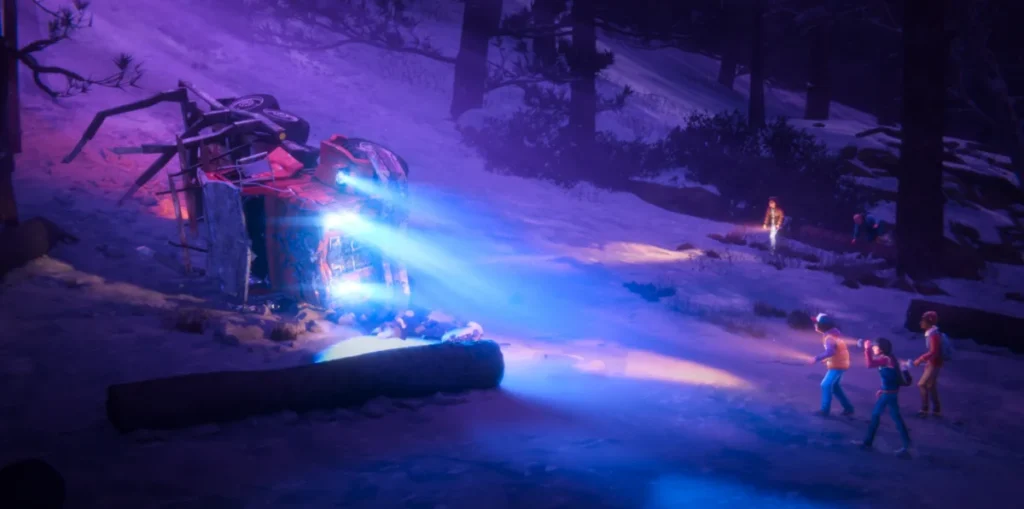
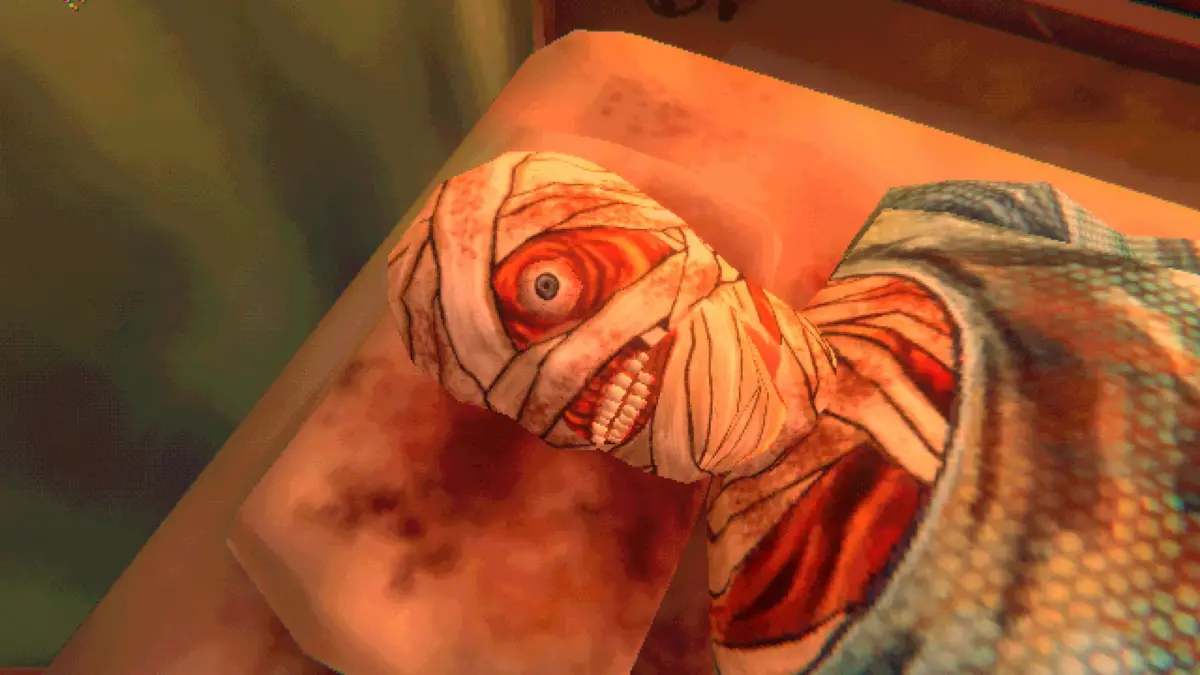
The game itself is a confined, narrative-driven experience. It centers on the crew of the Tulpar, a space freighter that becomes stranded following a catastrophic crash on a remote asteroid. The core of the gameplay revolves around the psychological disintegration of the five crew members as they confront dwindling life-support resources, physical isolation, and the resulting paranoia. Its narrative structure—characterized by non-linear storytelling and surrealist horror elements—has been noted by critics as a distinct departure from traditional sci-fi tropes.
Analysis of the Source Material
Mouthwashing achieved an "Overwhelmingly Positive" rating on the Steam storefront, a metric that reflects deep engagement from the gaming community. This commercial and critical reception provided the necessary leverage for a swift transition into film development. The game’s success is attributed to its departure from typical "jump-scare" horror in favor of a more claustrophobic, character-focused dread.

The recent console launch of the game, which debuted today across PlayStation 5, PlayStation 4, Nintendo Switch, Xbox Series X|S, and Xbox One, as well as via the Game Pass service, serves as a strategic marketing push. By ensuring widespread availability, the developers and publishers have effectively expanded the intellectual property’s footprint just as the film announcement gains public traction.
The Role of Sony and Crooked Highway
Sony’s investment in Mouthwashing follows a broader studio strategy of identifying low-to-mid-budget horror titles with established cult followings and adapting them for a wider audience. This strategy gained momentum following the success of Zach Cregger’s work on recent horror projects, which demonstrated that studios could yield high returns by providing creative autonomy to directors with a strong vision.
Scott Derrickson’s involvement via his Crooked Highway banner adds a layer of genre credibility. Derrickson, who has spent over two decades navigating the intersection of supernatural horror and mainstream cinema, is expected to focus on the film’s structural integrity. The decision to bring on Manfredi and Hay, who have consistently demonstrated an ability to blend character drama with genre thrills, indicates that the production aims to replicate the "prestige horror" model that has seen success in recent years.
Implications for the Video Game Adaptation Market
The industry’s increasing interest in video game adaptations is a direct response to the massive commercial success of titles like The Last of Us and the Fallout television series. However, Mouthwashing represents a slightly different trend: the adaptation of indie-developed, surrealist horror games rather than large-scale AAA franchises.
If successful, the Mouthwashing project could set a precedent for how smaller studios can monetize their intellectual property. By partnering with established directors like Kusama, these studios can ensure their artistic vision is preserved while benefiting from the infrastructure of a major distributor like Sony. The financial implications are significant; a low-budget horror film with a clear, established narrative hook offers a high probability of profitability, particularly if the production budget is managed effectively.
Creative Direction and Expectation
Karyn Kusama’s filmography suggests she is uniquely suited to the source material. Her work on the television series Yellowjackets and The Terror has demonstrated her capacity to handle ensemble casts in high-stress, survival-based scenarios. Furthermore, her ability to elicit nuanced performances from actors in contained environments—a hallmark of The Invitation—will be critical to capturing the claustrophobia of the Tulpar freighter.

While details regarding the cast and production schedule remain undisclosed, the industry expects pre-production to accelerate throughout the coming year. The alignment of the writing team and director suggests that the project is currently in the development phase, with script refinement likely serving as the immediate priority.
Market Context and Future Outlook
As of October 2026, the horror genre remains one of the most reliable pillars of the theatrical box office. Data from recent industry reports indicates that original horror concepts and adaptations of indie gaming hits are currently outperforming traditional, long-running horror franchises in terms of return on investment (ROI).
The decision to pair a visionary director with a narrative-heavy, critically acclaimed game suggests that Sony is looking to create a franchise that relies on atmosphere rather than spectacle. For fans of the original game, the involvement of the original creative team and the production support from Crooked Highway serves as an indicator that the adaptation will likely remain faithful to the game’s darker, more cerebral themes.
As the production moves forward, industry analysts will be watching closely to see how the "fractured crew" dynamic translates from the interactive medium to the screen. With the game’s recent multi-platform release and the established pedigree of the creative team, Mouthwashing is positioned as one of the most anticipated horror projects in the current development cycle. The project effectively bridges the gap between the indie gaming scene and the mainstream cinematic landscape, marking a potential shift in how horror properties are identified and developed for the screen.