The Cultural Significance of Taylor Swift Night
The decision to theme an entire episode around Taylor Swift reflects her unparalleled influence on the modern music industry. Swift, who released her self-titled debut album nearly two decades ago in 2006, has become a benchmark for songwriting excellence. For the American Idol contestants, performing her music is a double-edged sword; while the songs are universally recognized and beloved, they require a level of storytelling intimacy that can be difficult to achieve on a large, televised stage.
The timing of this tribute is also noteworthy. With the music industry currently dominated by Swift’s "Eras" phenomenon, American Idol tapped into a massive demographic of younger viewers and "Swifties." Historically, themed nights centered on specific artists—such as Queen, Elton John, or The Beatles—have yielded some of the highest-rated episodes in the show’s history. By incorporating Swift’s catalog, the production sought to bridge the gap between classic reality television and contemporary pop culture.
Detailed Performance Chronology: The Opening Acts
The evening began with a sense of nostalgia as the contestants were introduced to a roaring live audience. The judges’ panel saw a unique addition for the night: comedian and noted Taylor Swift enthusiast Nikki Glaser joined veterans Luke Bryan, Lionel Richie, and Season 4 winner Carrie Underwood. Glaser’s presence provided a fan-centric perspective to complement the technical critiques of the permanent judges.
Jordan McCullough: A Soulful Tribute to 2006
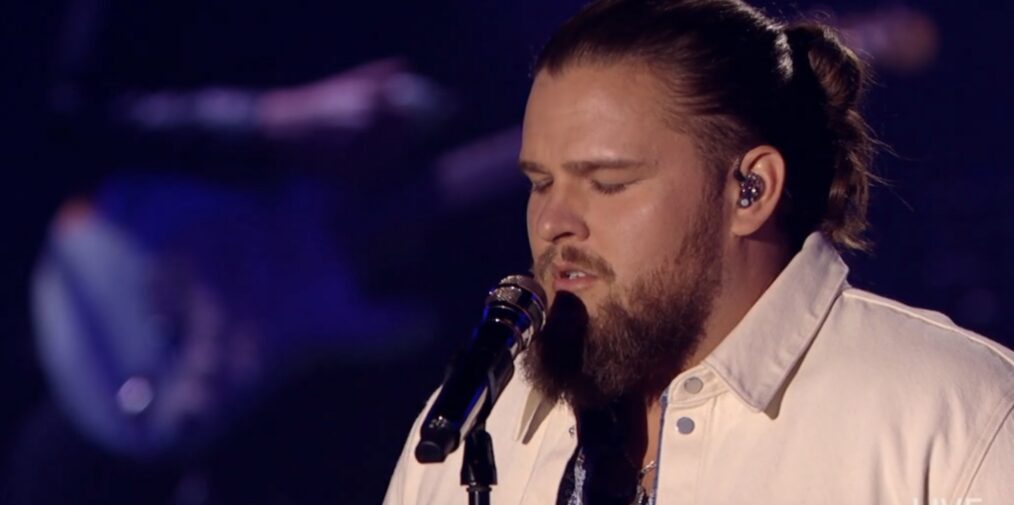
Jordan McCullough was tasked with opening the show, a position that carries the burden of setting the energy for the entire broadcast. He chose "Tim McGraw," the lead single from Swift’s 2006 debut. The song, originally a country-pop crossover hit, was reimagined by McCullough with a soulful, contemporary flair.
Lionel Richie was immediate in his praise, utilizing his signature colorful metaphors. "That is the way to put barbecue sauce on Taylor Swift," Richie remarked, emphasizing the "flavor" and "soul" McCullough added to the arrangement. Richie specifically highlighted McCullough’s vocal runs and his ability to hit difficult upper-register notes, stating he was impressed by the technical precision. Carrie Underwood noted that McCullough’s voice possessed a universal quality that allowed him to adapt to any genre, while Nikki Glaser expressed her gratitude for hearing the performance live, calling it a "privilege."
Chris Tungseth: Capturing the Folklore Era
Following McCullough, Chris Tungseth pivoted the evening toward Swift’s more recent, indie-folk inspired work. He performed "Exile," the haunting collaboration between Swift and Bon Iver from the 2020 album Folklore. This choice was strategically sound for Tungseth, whose vocal profile aligns with the "tender quality" mentioned by the judges.
The performance was characterized by a stripped-back arrangement that allowed the lyrics to take center stage. Carrie Underwood complimented the song choice, noting that it perfectly showcased the vulnerability in Tungseth’s delivery. Luke Bryan focused on the contestant’s stage presence, observing that Tungseth appeared "locked in" and focused. Bryan praised the "character" Tungseth brought to the performance, suggesting that the singer had successfully created his own narrative within the song. Lionel Richie went as far as to label it one of Tungseth’s strongest performances of the entire season, citing the "spot on" delivery.
The Remaining Top 7: Navigating the Swift Catalog
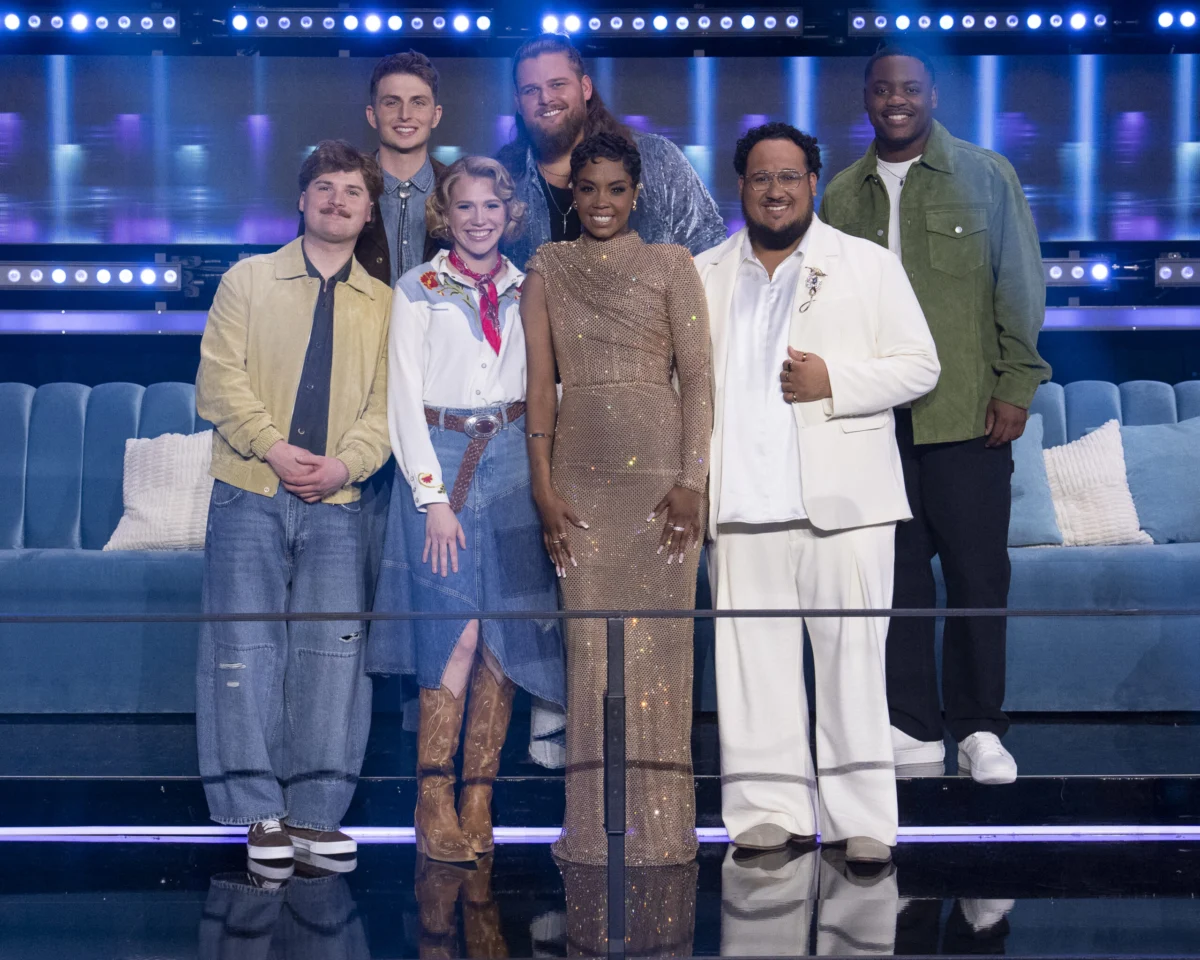
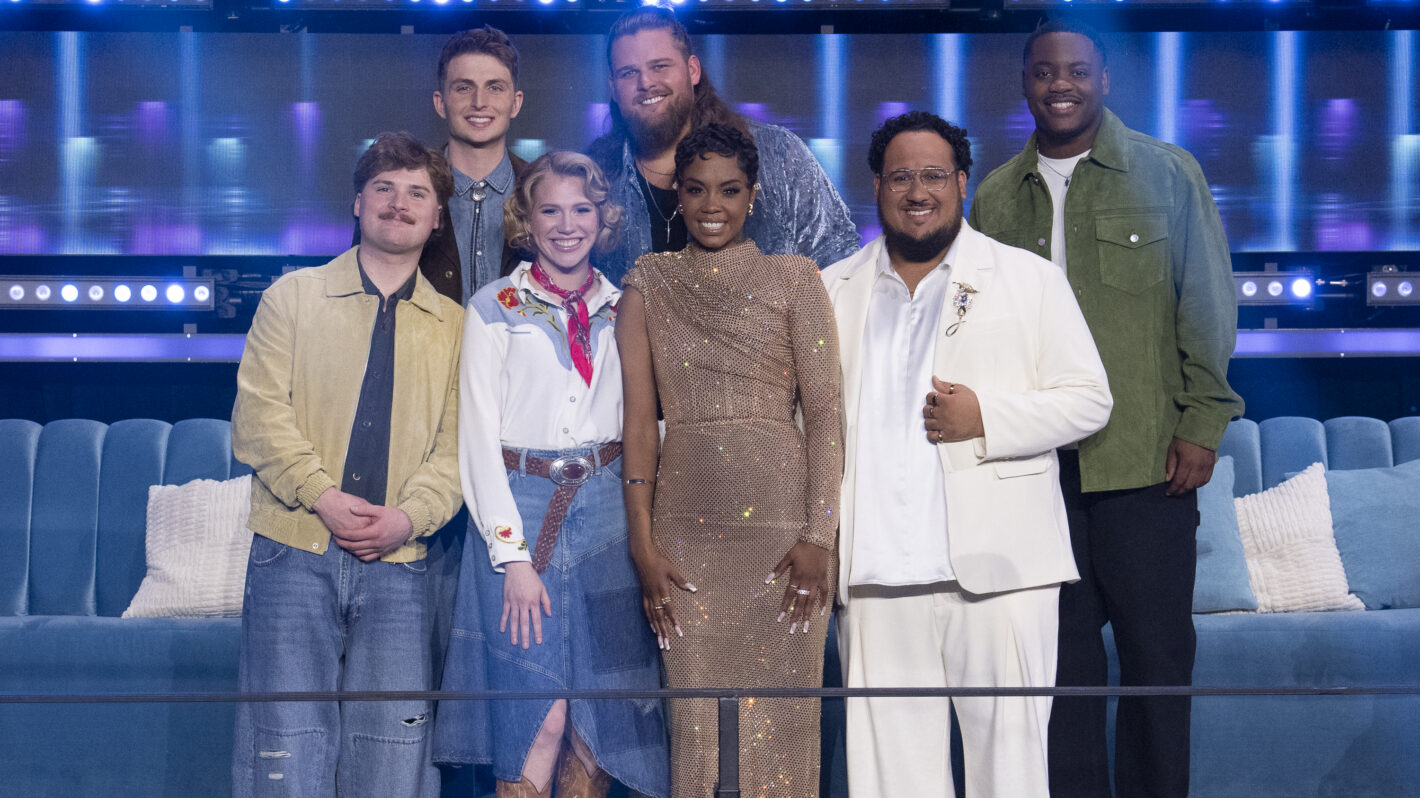
While McCullough and Tungseth set the bar early, the remaining five contestants—Braden Rumfelt, Daniel Stallworth, Brooks, Hannah Harper, and Keyla Richardson—faced the challenge of maintaining that momentum. The song selections for the rest of the night spanned Swift’s various "eras," including high-energy pop anthems from 1989 and synth-heavy tracks from Midnights.
The secondary theme of the night, "California Legends," provided a stark contrast to the Swift tribute. This segment required the Top 7 to interpret songs from artists like The Beach Boys, The Eagles, and Fleetwood Mac. This dual-requirement tested the contestants’ versatility, forcing them to balance modern pop sensibilities with the classic rock and folk traditions of the West Coast.

The Role of Guest Judge Nikki Glaser
The inclusion of Nikki Glaser was a strategic move by the producers to inject a different energy into the critiques. Unlike the musical mentors who typically appear, Glaser offered a perspective rooted in the audience’s emotional connection to the music. Her commentary often focused on the "vibe" and emotional resonance of the performances, which is a critical factor in how the home audience votes. Glaser’s self-professed "Swiftie" status ensured that the critiques remained respectful of the source material while still being honest about the contestants’ ability to do the songs justice.
Voting Mechanics and Real-Time Data
In the ABC era of American Idol, the "live vote" has become the defining feature of the competition. Unlike the early years of the show on Fox, where results were often delayed by 24 hours, the current format allows viewers to vote via the American Idol app, website, or SMS during the actual broadcast.
Data suggests that the "opening slot" and the "closing slot" of the night are the most advantageous for securing votes, as they are the most memorable for the audience. However, in a night dedicated to an artist as popular as Taylor Swift, the "viral potential" of a performance often outweighs its position in the lineup. Social media metrics, including Twitter (X) trends and TikTok clips, often serve as leading indicators of who will survive the elimination. For the Top 7, the goal was not just to impress the judges, but to create a "moment" that would resonate across digital platforms.
Implications for the Top 5 and the Road Ahead
As the episode progressed toward the final tally, the stakes for the upcoming Top 5 became clear. Reaching the Top 5 is a significant milestone in American Idol, as it often coincides with "hometown hero" visits and a shift in the production value of the performances.
The elimination of two contestants at this stage is always a polarizing event. Historically, "shocker" eliminations occur during the Top 7 or Top 10 rounds, where a talented vocalist with a smaller social media following is outpaced by a "fan favorite." The Taylor Swift theme likely skewed the voting demographic toward younger viewers, which may have influenced the final results in favor of the more contemporary-sounding artists like McCullough and Tungseth.
Fact-Based Analysis: The Evolution of Season 24
Season 24 has been marked by a diverse array of talent, ranging from traditional country singers to indie-pop vocalists. The judges—Bryan, Underwood, and Richie—have focused their critiques this year on "artistry" rather than just vocal range. This shift is reflective of the modern music industry, where a unique "sound" is often more marketable than technical perfection.
The "Taylor Swift Night" served as a litmus test for this artistry. Because Swift’s songs are so closely tied to her own vocal identity, the contestants who succeeded were those who could "deconstruct" the track and rebuild it in their own image. Jordan McCullough’s "barbecue sauce" approach and Chris Tungseth’s "tender" reimagining of "Exile" are prime examples of this successful deconstruction.
Conclusion and Official Outlook
As the live broadcast concluded, the tension in the studio was palpable. The transition from the Top 7 to the Top 5 represents the final sprint toward the Season 24 finale. For the five remaining contestants, the path forward involves even more rigorous themes and the looming pressure of the "Judge’s Song Contest" and "Disney Night," which are staples of the late-season format.
The success of "Taylor Swift Night" reinforces American Idol’s continued relevance in a crowded media landscape. By aligning with the biggest name in music today, the show proved it can still generate conversation and provide a platform for emerging talent to tackle the most challenging material in the pop canon. The results of the night’s vote will ultimately determine who has the stamina, the fan base, and the artistic vision to become the next American Idol.