Annabelle Wallis has cultivated a unique career trajectory defined by her ability to bridge the gap between Hollywood’s most reserved, alpha-tier leading men and the audience’s need for emotional authenticity. Despite a background that defies easy categorization—born in Oxford, raised in Portugal, and possessing a quintessentially English screen presence—Wallis has emerged as a key player in major cinematic universes and high-stakes psychological dramas. Her latest project, the Netflix production Unabomber, marks her fourth collaboration with Russell Crowe, cementing a professional partnership that has spanned nearly two decades and multiple genres.
The Evolution of a Character Actor

Wallis’s early career was defined by a struggle to find her footing within the rigid expectations of the British film industry. Casting directors frequently attempted to pigeonhole her into classical period dramas, failing to account for the "Latin" sensibility she developed during her formative years in Portugal. This cultural duality created a persistent tension in her professional life, as her personal intensity often clashed with the conventional roles she was offered.
The turning point occurred in 2013 with her casting as Grace Burgess in the BBC’s Peaky Blinders. As the undercover Irish officer tasked with infiltrating the world of Cillian Murphy’s Tommy Shelby, Wallis provided the emotional anchor for a series that would eventually transform into a global cultural phenomenon. Although the first season was not an immediate ratings juggernaut, the critical reception of the Grace-Tommy dynamic established a blueprint for her career: the ability to elicit humanity from intensely introverted, stoic, or "anti-movie star" personas.
Strategic Success in Cinematic Universes

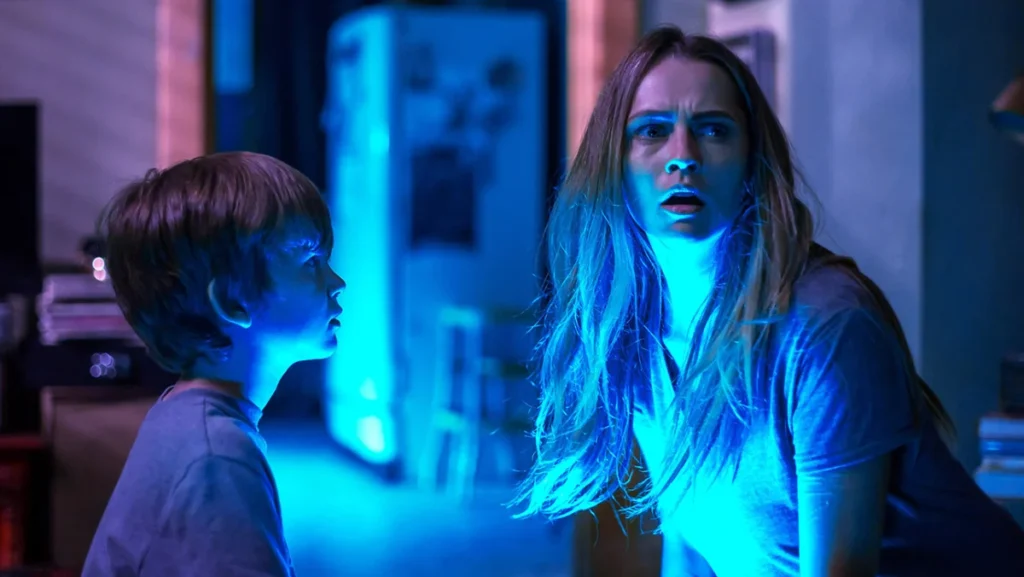
Following her breakout on Peaky Blinders, Wallis pivoted to the horror genre, securing the lead role in 2014’s Annabelle. The film, produced by James Wan, served as the first spinoff in The Conjuring universe. Against a modest $6.5 million budget, the film grossed $257 million, validating the commercial viability of horror spinoffs and establishing Wallis as a reliable lead in high-profit, low-risk franchises. The success of the Annabelle franchise, which now spans multiple installments, solidified the Conjuring universe as a dominant force in modern cinema, often drawing comparisons to the Marvel Cinematic Universe in terms of its strategic, interconnected narrative structure.
Wallis’s collaboration with director James Wan continued with the 2021 release of Malignant. Despite being subjected to Warner Bros.’ "Project Popcorn" day-and-date release strategy during the height of the COVID-19 pandemic, the film garnered a dedicated cult following. The project allowed Wallis to explore a more visceral, unhinged performance style, which she cites as a departure from the "fear culture" often found in contemporary Hollywood studio productions.
Unabomber and the Ethics of Psychological Experimentation

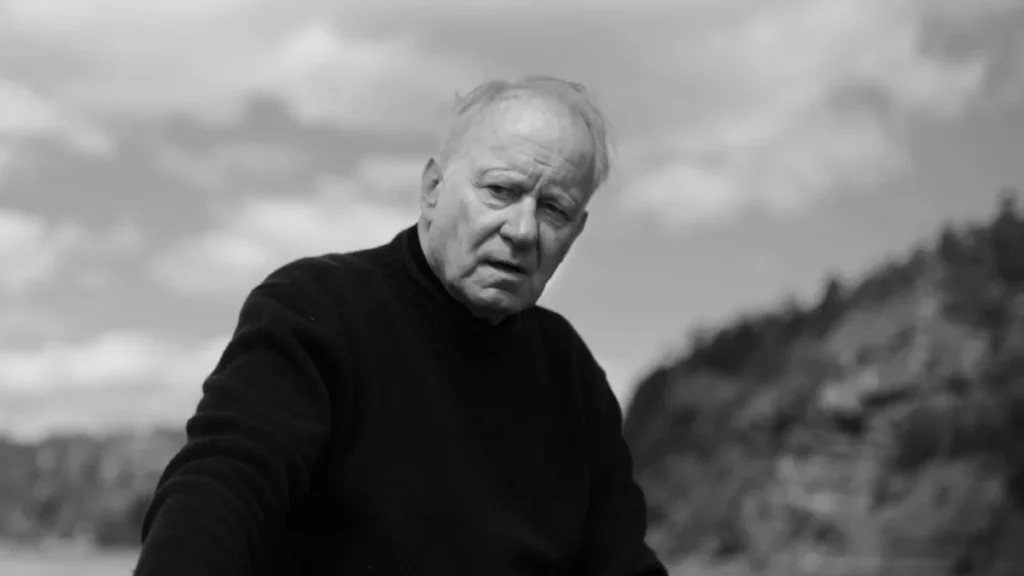
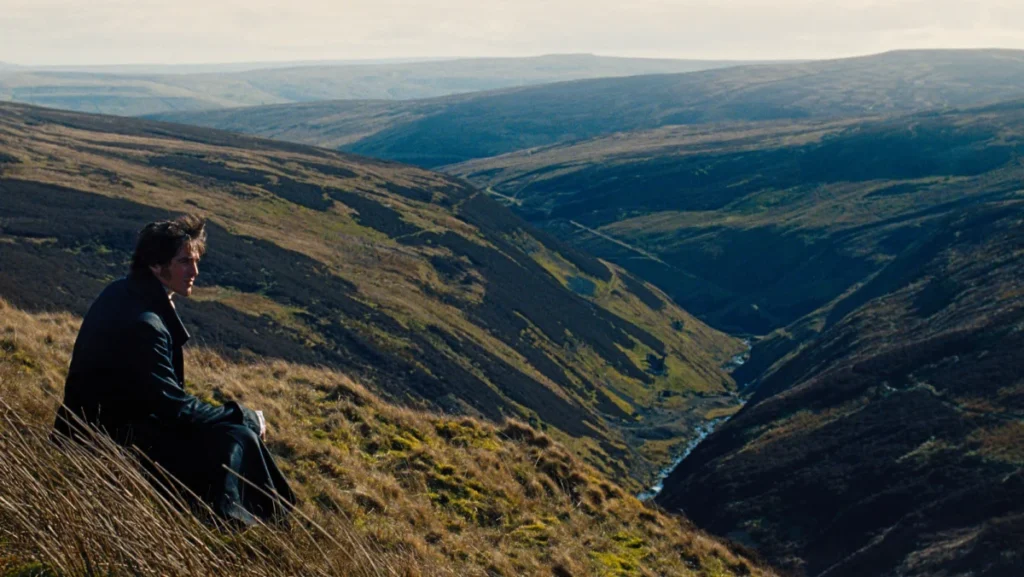
In her current project, Unabomber, Wallis portrays Christiana Morgan, a historical figure whose academic contributions are inextricably linked to the controversial Harvard psychological experiments of the late 1950s. Alongside Russell Crowe’s Henry Murray, Wallis’s character oversees a 200-hour series of experiments on a 16-year-old Ted Kaczynski.
The historical context of these experiments remains a subject of intense debate among psychologists and historians. Kaczynski, who later became the domestic terrorist known as the Unabomber, characterized the study as the most traumatic experience of his life. The series raises difficult questions regarding the ethics of mid-century academia, particularly the potential influence that researchers like Morgan and Murray had on the development of Kaczynski’s radicalized worldview. Wallis posits that the psychological imprint of such high-pressure experimentation on an adolescent cannot be dismissed, regardless of Kaczynski’s own denials.
Professional Synergy with Leading Men

A recurring theme in Wallis’s career is her deliberate choice to work with actors known for their immense, often intimidating, public personas. Her filmography includes collaborative projects with Tom Cruise (The Mummy), Jason Statham, Sacha Baron Cohen, Jude Law, and Russell Crowe. Wallis attributes this recurring professional theme to her upbringing in a boisterous, social household in Portugal, which fostered a "tomboy" resilience and an innate curiosity about human nature.
In practice, Wallis views her approach to these high-profile co-stars as an act of stripping away the "persona" to reach a kernel of shared humanity. By maintaining an equal footing, she creates a space where her co-stars feel safe to drop their defenses, a technique she describes as a "niche" that has consistently led to further casting opportunities.
The Legacy of Peaky Blinders and Behind-the-Scenes Realities

The death of Wallis’s character, Grace Shelby, in the third season of Peaky Blinders remains a point of contention among fans and the show’s creator, Steven Knight. While the decision was narratively functional at the time, the subsequent global explosion of the show’s popularity on streaming platforms led to a significant shift in audience sentiment. Knight has publicly acknowledged that if he had foreseen the long-term impact of the Grace-Tommy dynamic, he would have likely altered the show’s trajectory.
The production also faced the profound loss of Helen McCrory, whose passing forced a complete rewrite of the final season. These losses, combined with the recent passing of Sam Neill, have marked a period of reflection for the cast. Wallis notes that the camaraderie built during the early seasons of the show was rare, and she emphasizes that the genuine passion of the cast members was a key component of the series’ enduring cultural footprint.
Future Directions and Industry Outlook

Looking ahead, Wallis continues to balance her work in established franchises with roles that demand deep psychological commitment. Her ongoing professional relationship with James Wan suggests that further collaboration is likely on the horizon, with the potential for genre-defying projects that utilize the creative freedom they established during the filming of Malignant.
Wallis’s trajectory reflects a broader shift in the film industry where the "character actor" is increasingly expected to carry the weight of blockbuster-level projects. By refusing to adhere to the standard definitions of a leading lady, she has maintained a level of artistic autonomy that allows her to navigate between prestige dramas like Unabomber and high-concept horror.
As the landscape of streaming and theatrical distribution continues to evolve, the demand for performers who can provide emotional depth in high-pressure, male-dominated environments remains high. Wallis’s career suggests that success in this environment requires not only technical proficiency but also a persistent, almost forensic interest in the human condition—a trait that has allowed her to stand her ground alongside some of the most prominent figures in modern cinema.