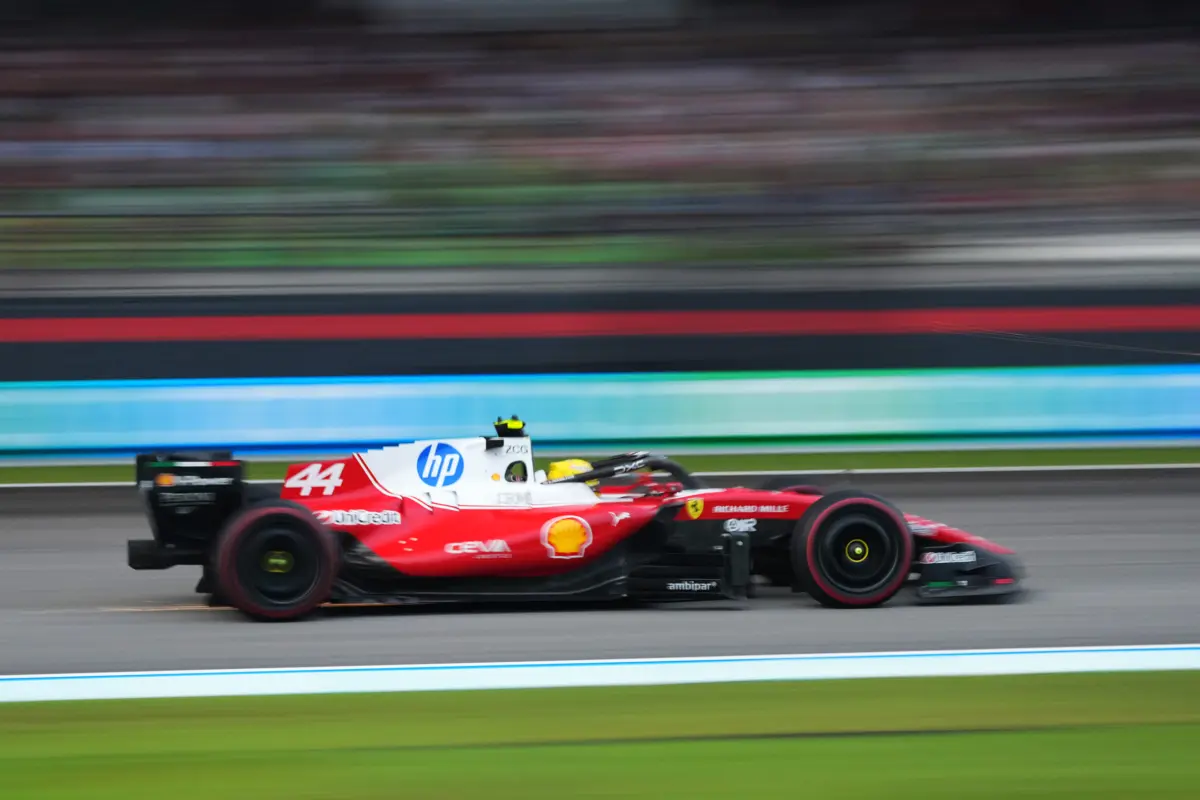
The roar of a Formula 1 engine, once limited by the constraints of standard television broadcast audio, is set to undergo a radical transformation. Apple, in a strategic partnership with Dolby Laboratories, is deploying Dolby Atmos spatial audio and Dolby Vision high-dynamic-range (HDR) video to its Formula 1 coverage, beginning with the upcoming U.S. Grand Prix in Austin, Texas. This technical upgrade represents a significant shift in how sports broadcasting prioritizes sensory immersion, aiming to replicate the visceral intensity of the track for viewers in their own living rooms.
A New Standard for Sports Broadcasting
For decades, the standard for televised motorsport has remained largely static, relying on stereo or basic surround sound mixes that often flattened the chaotic acoustic landscape of a pit lane or the high-frequency whine of an internal combustion engine. By leveraging Dolby Atmos, Apple intends to create a three-dimensional soundstage where the positioning of audio assets—such as the screech of tires during a cornering maneuver or the precise location of a car passing on the left—corresponds accurately to the visual action on screen.
John Couling, senior vice president of entertainment at Dolby Laboratories, emphasizes that the emotional core of Formula 1 is fundamentally tied to its acoustic profile. “The sound is what makes it emotional; it is the sound that guides you through that and builds the tension,” Couling noted. By integrating Atmos, Apple and Dolby are attempting to bridge the gap between passive observation and active participation, allowing fans to hear the mechanical symphony of the grid with newfound clarity and depth.
The Strategic Vision Behind the Investment
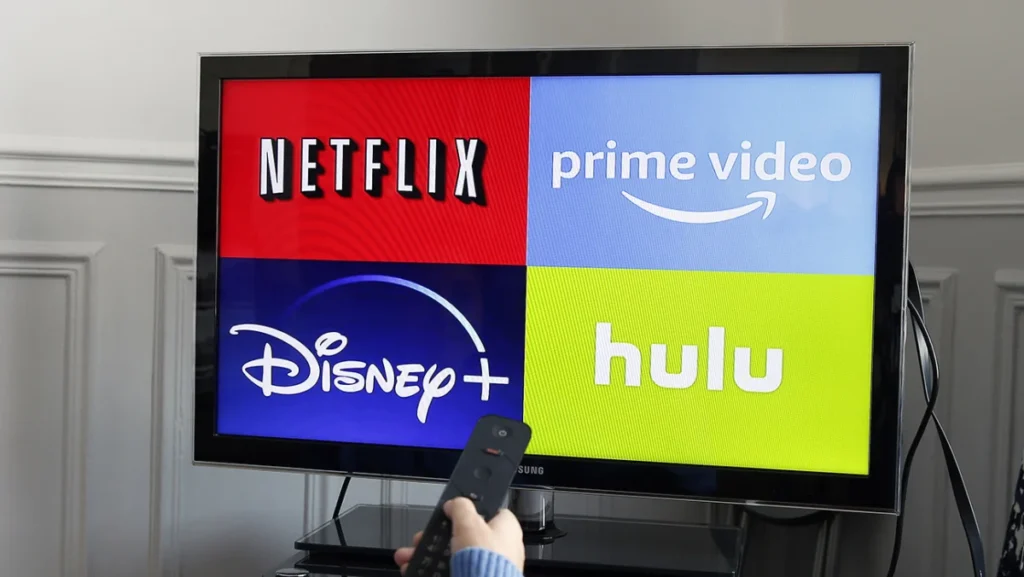
Apple’s entry into the sports media landscape has been characterized by a measured, quality-over-quantity approach. Unlike incumbents such as ESPN or major streamers like Amazon Prime Video, which often pursue broad portfolios of league rights, Apple has focused on a specialized "best-in-class" delivery model.
Oliver Schusser, Apple’s vice president of music, sports, Apple TV, and Beats, has been vocal about the company’s critique of the current state of sports broadcasting. “If you are a sports fan today, our viewpoint is that the experience is—I am going to be polite and say—not easy,” Schusser remarked. He suggests that the industry has suffered from a lack of genuine innovation, with many legacy providers relying on outdated infrastructure. Apple’s intervention is intended to serve as a disruption, forcing a market shift toward higher bitrates, better resolution, and, crucially, superior audio engineering.
Chronology and the Path to the U.S. Grand Prix
The timeline of Apple’s involvement in Formula 1 is relatively recent but rapid in its execution. Earlier this year, Apple secured the rights to F1 broadcasts in an deal estimated between $140 million and $150 million. This acquisition followed a period of intense negotiation as the sport sought to capitalize on its burgeoning popularity in the United States, driven in part by the success of Netflix’s Drive to Survive series.
The introduction of Dolby technology at the Austin circuit serves as a critical testing ground for a broader rollout. Formula 1 remains responsible for the production of the raw race feed, but Apple’s proprietary tech stack acts as the delivery pipeline, ensuring that the enhanced audio-visual metadata is preserved and transmitted to the end user. Compatibility will extend across the Apple ecosystem, including Apple TV 4K, as well as a wide range of third-party Dolby-enabled soundbars and home theater systems.
Demographic Shifts and Market Data
The decision to invest heavily in premium delivery comes at a time when Formula 1 is experiencing a demographic evolution. Eddy Cue, the executive who oversees Apple’s services business and a prominent advocate for the company’s sports initiatives, has highlighted that the F1 audience is skewing younger and more female-leaning than in previous decades.
Internal and industry-wide data suggest that F1 viewership in the U.S. has seen significant double-digit percentage growth compared to the period when rights were held exclusively by ESPN. This shift toward a younger, tech-savvy audience creates a natural synergy for Apple. These viewers are more likely to possess modern home theater equipment capable of processing Atmos signals and are statistically more inclined to value high-fidelity streaming experiences over traditional linear television.
Technical Implications for Home Entertainment
The integration of Dolby Vision is equally important to the strategy. While Atmos handles the auditory spatiality, Dolby Vision provides a vastly expanded contrast ratio and color gamut. In the context of F1, this allows for the vibrant liveries of the cars to pop against the asphalt, while maintaining detail in shadows—such as the darkened areas under grandstands or inside tunnels—that are often lost in standard dynamic range (SDR) broadcasts.
Industry analysts note that this move signals a broader trend: the "premiumization" of sports media. As cord-cutting continues to diminish the dominance of traditional cable bundles, platforms are looking for unique value propositions to retain subscribers. By positioning its platform as the technical gold standard, Apple is creating a "moat" that is difficult for competitors to replicate without significant investment in hardware and software pipelines.
Challenges and Future Prospects
While the promise of enhanced sensory experiences is compelling, the challenge lies in the infrastructure of the home user. For a fan to truly appreciate the Atmos and Dolby Vision upgrade, they require not only a stable, high-bandwidth internet connection but also compatible hardware. While Apple devices are well-positioned, the fragmentation of the home theater market means that many viewers may still be limited by the capabilities of their television’s built-in speakers or older audio receivers.
Furthermore, the logistical complexity of producing an F1 race is immense. Each event requires the coordination of hundreds of trackside microphones and cameras. Integrating high-fidelity audio capture into an environment defined by extreme heat, vibration, and noise interference is a significant engineering hurdle. The success of the Austin debut will likely dictate how quickly this technology is rolled out to the rest of the F1 calendar.
Broader Market Impact
Apple’s involvement in Formula 1 serves as a case study for how big tech firms view the future of sports media. The goal is no longer just to own the rights to the content, but to own the experience of the content. By treating the broadcast as a product that can be continuously improved through software updates and codec integration, Apple is moving away from the "static broadcast" model.
If the Austin deployment proves successful, it is highly probable that other sports properties will face pressure to adopt similar standards. The expectation from the consumer, once exposed to a higher quality of audio and video, tends to shift rapidly. Leagues that ignore these advancements risk appearing obsolete to a generation of fans that has grown up with ultra-high-definition gaming and immersive cinematic content.
As the grid prepares for the U.S. Grand Prix, the focus will not only be on the performance of the cars or the strategies of the pit walls, but on the capability of the broadcast itself to translate the tension of the race. For Apple, the goal is clear: to ensure that when a fan turns on their TV, they are not merely watching a race, but inhabiting the environment of the circuit. Whether this translates into long-term subscriber loyalty remains to be seen, but the initial move demonstrates a clear intent to redefine the expectations for the digital sports fan.
In the final analysis, the partnership with Dolby is more than a marketing gimmick; it is a fundamental reconfiguration of the broadcast signal. As the industry watches, the question remains whether the high-tech, high-fidelity experience will become the baseline requirement for all premium sports rights in the coming decade. For now, the focus remains on Austin, where the roar of the engines will, for the first time, carry the weight and presence that Formula 1 has long deserved.