The expansive animated universe created by Michael Dante DiMartino and Bryan Konietzko is preparing for its next major chapter with the upcoming release of Avatar: Seven Havens. Set to premiere on Paramount+ on October 9, 2026, the series represents the latest pillar in a multi-decade franchise that began with the critically acclaimed Nickelodeon series Avatar: The Last Airbender in 2005. Following the concluding events of The Legend of Korra, which originally aired from 2012 to 2014, and the recent theatrical release of Avatar Aang: The Last Airbender earlier this year, Seven Havens is designed to push the overarching chronology of the Four Nations forward while returning to the roots of traditional 2D animation and serialized storytelling.
Unlike isolated spin-offs or standalone side stories, the creative team has emphasized that Seven Havens is deeply connected to the overarching mythology of the franchise. In recent interviews leading up to the premiere, co-creator Michael Dante DiMartino detailed how the production team deliberately crafted a narrative intended to resonate with the entirety of the established universe, utilizing a distinct mystery-driven plot structure that bridges the gap between past eras and the present timeline of the show.
Chronology and Narrative Placement
To understand the narrative weight of Avatar: Seven Havens, it is necessary to examine the chronological progression of the Avatar universe across its various mediums. The timeline spans several centuries of civilization, shifting from the traditional, eastern-inspired feudal societies of Aang’s era to the industrialized, 1920s-influenced modernity of Korra’s post-industrial world.
The original series, Avatar: The Last Airbender, established the foundational lore of the Avatar cycle, the four elemental nations—Water, Earth, Fire, and Air—and the eternal struggle to maintain spiritual and political equilibrium. Its direct sequel, The Legend of Korra, advanced the timeline significantly by introducing rapid modernization, electrical power, automobiles, and mechanized warfare, alongside the historic opening of spirit portals that forever altered the relationship between mortals and spirits.
Avatar: Seven Havens takes place in the post-Korra epoch, navigating a distinct temporal space between the conclusion of Korra’s lifetime and the start of the new series. According to the creators, this intervening period experienced significant geopolitical and technological shifts. While Korra’s era was defined by a frantic technological revolution and the societal growing pains of modernization, Seven Havens explores the long-term consequences of that boom. Rather than continuing an upward trajectory into futuristic science fiction, the new series dials back the overt technological focus to examine where the trajectory of the Korra era ultimately led civilization, establishing a status quo where past innovations are treated as historical context rather than the focal point of daily life.
The Creative Vision and Studio Approach
A defining characteristic of Avatar: Seven Havens is its commitment to traditional 2D hand-drawn animation, a stylistic choice that harkens back to the aesthetic roots of the original 2005 series while differentiating itself from the hybrid 2D/3D techniques utilized in later seasons of Korra. In outlining the visual identity of the project, DiMartino and Konietzko looked heavily toward the cinematic masterpieces of Studio Ghibli, specifically the iconic fantasy films of Hayao Miyazaki such as Spirited Away and Princess Mononoke.
This artistic direction was chosen specifically to ground the series in a classical fantasy aesthetic. By avoiding overly futuristic or sci-fi tropes—which threatened to dominate the visual landscape at the tail end of the Korra timeline—the creators sought to evoke a sense of timeless wonder, natural beauty, and tangible world-building. The architecture, landscapes, and character designs reflect a synthesis of organic environments and mythic storytelling, emphasizing folklore, exploration, and interpersonal conflict over industrial machinery.
Production Data and Release Schedule
Paramount Pictures and Nickelodeon Animation have made a substantial production commitment to Avatar: Seven Havens, greenlighting an initial order of 26 half-hour episodes. To manage the release and maintain audience engagement, this massive episode order has been structured into two distinct parts, a distribution strategy increasingly favored by major streaming platforms for serialized animated content.
The series is scheduled to debut globally on Paramount+ on October 9, 2026. The substantial episode count affords the writers ample room for deep character development, expansive world-building, and intricate multi-episode story arcs. This format directly addresses fan desires for longer, more immersive storytelling compared to compressed feature-length formats or abbreviated miniseries.
Character Dynamics and Core Themes
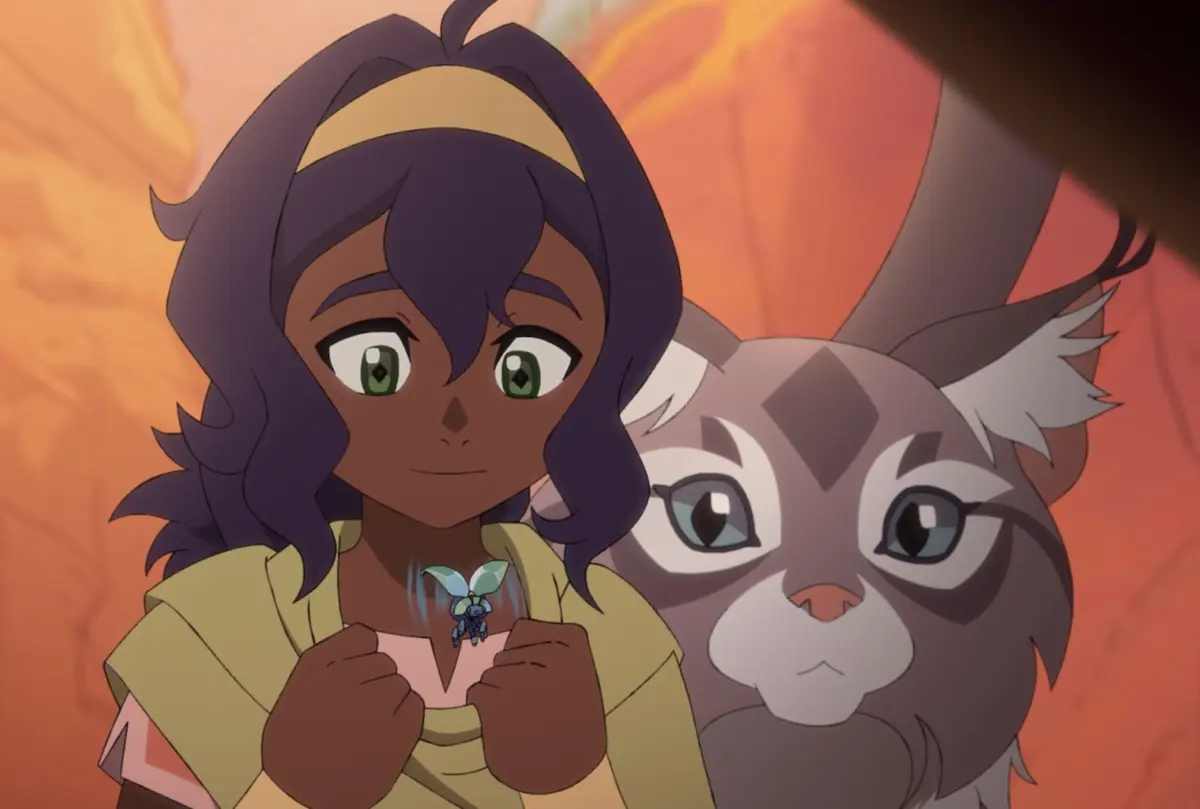
At the center of Seven Havens is a brand-new Avatar who must shoulder the immense burden of global peacekeeping while confronting a unique sociological hurdle: widespread misunderstanding of her identity and purpose. Unlike Aang, who was universally recognized and revered as the world’s savior, or Korra, who wrestled with political opposition and public skepticism regarding the relevance of the Avatar in a modernizing world, the protagonist of Seven Havens faces a public whose perceptions of the Avatar have been warped by history, misinformation, or the passage of time.
This thematic exploration of identity, legacy, and public perception serves as the narrative engine of the series. The mystery element teased by DiMartino heavily intersects with this character arc, suggesting that uncovering the truth of past events—specifically concerning the era bridging Korra and Seven Havens—will be vital to resolving the conflicts of the present day.
Industry Implications and Franchise Longevity
The launch of Avatar: Seven Havens marks a critical juncture for Paramount’s long-term strategy regarding the Avatar intellectual property. Following the establishment of Avatar Studios—a division dedicated entirely to expanding the franchise across film, television, and other media—the corporate backing behind DiMartino and Konietzko’s creative vision has never been stronger.
The concurrent production of theatrical films, such as the animated feature focusing on an adult Aang released earlier this year, alongside prestige television projects like Seven Havens, demonstrates a concerted effort to capture both nostalgic older viewers and a new generation of fans. By maintaining creative continuity under the stewardship of the original creators, the franchise has successfully avoided the disjointed world-building that often plagues sprawling multimedia universes.
Furthermore, the decision to anchor Seven Havens in a serialized, mystery-driven 2D format highlights a confidence in the enduring appeal of traditional animation styles within a modern streaming ecosystem. As platforms increasingly rely on established intellectual properties to drive subscriber growth, the Avatar franchise stands out as a rare example of an animated universe capable of sustaining multi-generational appeal through rigorous narrative planning and distinct artistic integrity.
As the October 9, 2026 premiere date approaches, anticipation among the global fanbase continues to mount. With its blend of established lore, a fresh protagonist, a mystery-laden narrative structure, and a Ghibli-inspired aesthetic, Avatar: Seven Havens is positioned to be one of the most significant animated television events of the decade, further cementing the Avatar legacy in television history.