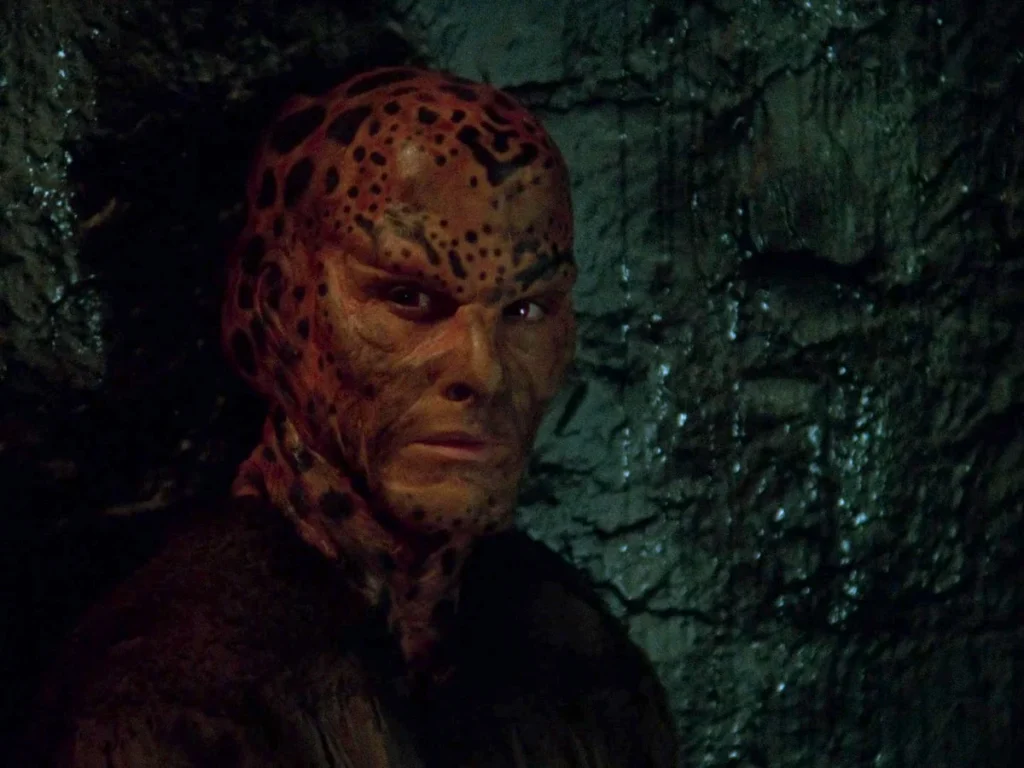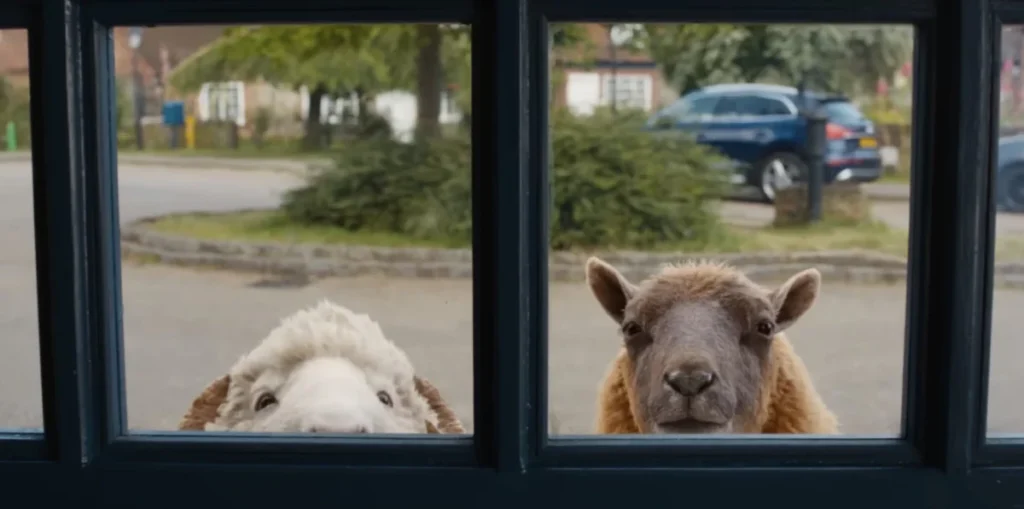
The Apple TV science fiction thriller Dark Matter concluded its second season with a narrative and visual crescendo that tested the absolute boundaries of its central premise: the Box. Based on the acclaimed 2016 novel by showrunner and co-creator Blake Crouch, the television adaptation has consistently expanded upon the philosophical and existential quandaries of quantum mechanics and multiverse theory. While the sophomore season balanced introspective character studies with high-stakes pacing, the season two finale served as a definitive showcase of the mechanical box’s capacity to generate both breathtaking wonders and unfathomable horrors. In recent interviews, Crouch and members of the production team detailed the meticulous planning, logistical serendipity, and technical innovations required to bring the finale’s most chaotic sequences to life.
Main Facts of the Season 2 Finale
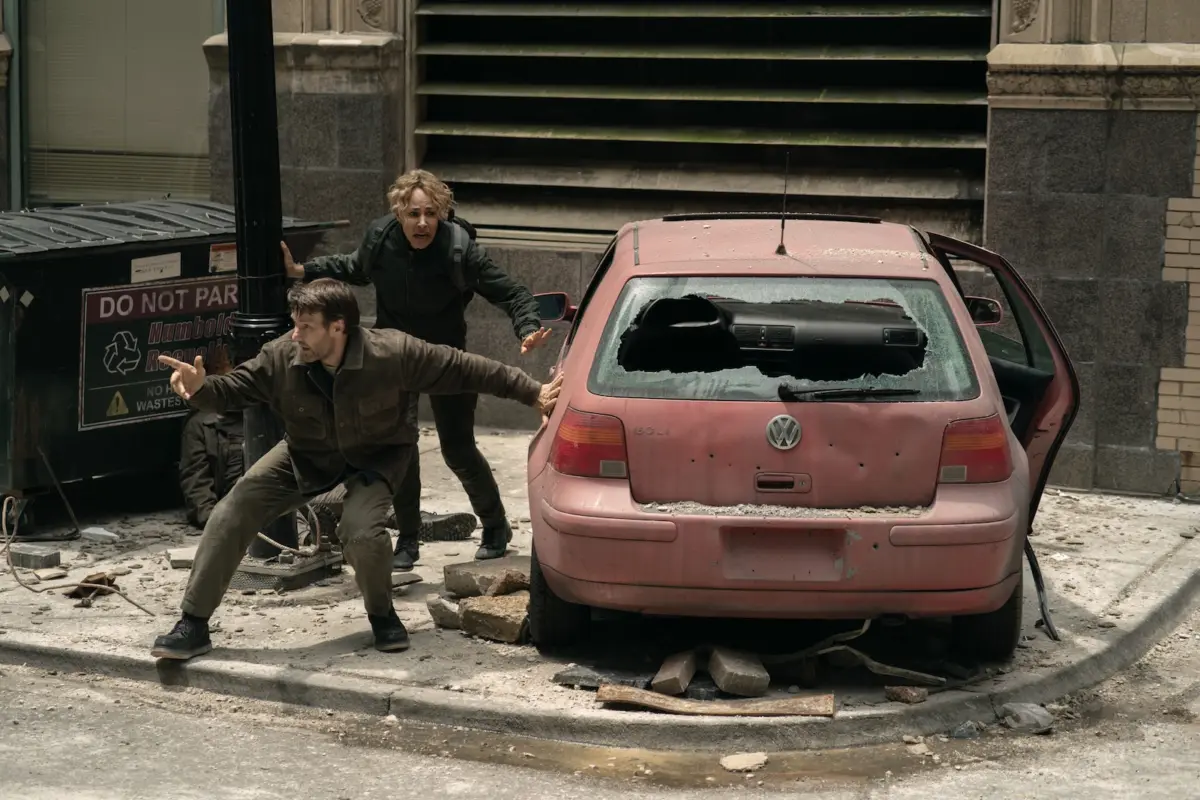
The climax of Dark Matter season two heavily features characters Jason, portrayed by Joel Edgerton, and Blair, played by Amanda Brugel, navigating a harrowing sequence inside the Box. As they are pursued across dimensions, they are thrust into two distinct, highly volatile realities. The first is a militarized Earth where downtown Chicago has degenerated into an active, urban combat zone marked by factional warfare and widespread destruction. The second is a disorienting, low-gravity environment where the fundamental laws of physics are utterly disregarded, causing massive architectural structures and the Box itself to drift untethered into the upper atmosphere.
Concurrently, the episode establishes lingering narrative threads for a potential third season, confirming that characters Daniela (Jennifer Connelly) and Charlie (Oakes Fegley) have transitioned into an entirely new reality, separate from the one where Max was previously shown to be alive. Although Apple TV has not yet officially commissioned a third season, the creative team has structured the finale to leave substantial narrative territory unexplored.
The Chronology and Genesis of Multiversal Locations
The conceptualization of the finale’s corridor fight—wherein characters tumble through various doors into extreme and hostile environments—was not a late addition to the production schedule. According to Crouch, this sequence functioned as a foundational "North Star" that the writers and directors aimed toward from the very inception of the season’s developmental phase.

The execution of the war-torn Chicago sequence involved a remarkable blend of deliberate planning and accidental discovery. While scouting and working on location, Crouch and co-writer Jacquelyn Ben-Zekry stumbled upon the atmospheric set piece entirely by chance. While taking a routine shortcut through an alleyway following a lunch break near Crouch’s residence, the duo encountered a blocked-off street lined with burned-out vehicles and war-zone debris. The startling realization that the pre-existing industrial devastation matched the exact aesthetic requirements of the script highlighted an uncanny alignment between the fictional narrative and physical reality.
Conversely, the conception of the subsequent low-gravity universe originated from a more lighthearted place. During a writers’ room brainstorming session focused on establishing the parameters of the alternate realities, Crouch recalled an unused concept from his original novel manuscript. In his preliminary journals for the source material, Crouch had conceptualized a dimension devoid of standard gravitational pull, wherein entire buildings and transit infrastructure drifted aimlessly through the sky. Initially tossed out to the production team as a speculative joke, the concept was swiftly embraced by the writing staff, who challenged Crouch to formally script the sequence. Once committed to the page, the physical production and visual effects departments accepted the challenge as a practical mandate.
Supporting Data and Technical Engineering
Translating a zero-gravity multiversal transit point from written prose to the screen required intricate engineering and specialized physical effects coordination. The production team constructed an entirely duplicate version of the iconic Box, suspending the mechanical structure on a specialized gimbal to allow for fluid movement and rotation. Furthermore, the principal cast members, including Edgerton and Brugel, were harnessed to sophisticated wire-rigging systems to simulate weightlessness within the confines of the set.
Crouch has openly acknowledged the initial uncertainty surrounding the practical shoot, noting that observing actors suspended on wires inside a moving gimbal on the soundstage frequently appeared unorthodox or overly theatrical in real-time. However, the post-production phase—spearheaded by visual effects supervisor John Heller and editor Joe Leonard—successfully synthesized the raw footage, practical stunt work, and digital rendering to surpass the initial creative vision outlined in the script.
Official Responses and Creative Direction
The leadership behind Dark Matter has maintained a measured approach regarding the future of the intellectual property on Apple TV. While the narrative architecture of the season two finale intentionally leaves room for continuation, official statements regarding a prospective third season remain closely guarded.

Crouch has deliberately refrained from detailing the specific plot mechanics that would govern a subsequent season, opting instead to preserve the mystery surrounding the final destination of Daniela and Charlie. However, the showrunner did clarify a crucial continuity point for the audience: the reality where Daniela and Charlie arrive at the conclusion of the finale is definitively distinct from the dimension they had recently inhabited where Max remained alive. Beyond this geographic clarification, Crouch noted that the creative team has formulated a robust and conceptually ambitious framework for a final season, contingent entirely upon formal renewal from the network.
Broader Impact and Implications for Sci-Fi Television
The structural trajectory of Dark Matter underscores a growing trend in contemporary prestige television: the adaptation of high-concept speculative fiction into serialized, character-driven narratives that rival feature film production values. By grounding existential physics and infinite parallel realities within intimate emotional stakes—specifically the preservation of family and identity—the series has carved out a distinct niche within the crowded landscape of streaming science fiction.
The technical achievements demonstrated in the season two finale, particularly the integration of practical gimbals, location-based environmental storytelling, and seamless visual effects compositing, establish a new benchmark for depicting theoretical physics on television. As networks increasingly evaluate programming based on audience retention and international streaming metrics, the deliberate pacing and complex world-building of Dark Matter position it as a critical asset for Apple TV’s science fiction portfolio. Whether the narrative will achieve its intended conclusion in a third season remains contingent on corporate greenlights, but the artistic foundation established by Crouch, Edgerton, Connelly, and the broader production crew has firmly cemented the series’ place within modern speculative television discourse.