The first teaser trailer for the highly anticipated Friday the 13th prequel series, Crystal Lake, has officially dropped, offering a glimpse into a narrative that appears to diverge significantly in tone from its iconic slasher film predecessors. Early impressions suggest a more nuanced and character-driven approach, potentially drawing comparisons to the introspective horror-comedy of Apple TV+’s Lessons in Chemistry rather than the straightforward terror of the original Friday the 13th films. This shift in tone, while unexpected for a franchise built on relentless violence, may signal an ambitious attempt to explore the origins of its infamous antagonist in a more complex light.
While the teaser itself remains deliberately vague, providing minimal plot details, it is understood that Crystal Lake will serve as a re-imagined prequel to the original Friday the 13th film. The series is set to focus on Pamela Voorhees, Jason’s mother, as she grapples with the profound grief following her son’s tragic death. Although the series may not adhere strictly to every established lore detail – for instance, its 1970s setting deviates from the 1950s timeline more commonly associated with Jason’s early life – the inherent tragedy of Pamela Voorhees’ story is well-known to fans of the franchise. The official synopsis provided for the series outlines the central conflict:
"A prequel to the Friday the 13th franchise, the series follows single mother Pam Voorhees who has been unable to shake her grief after her young, sickly son Jason tragically drowned in the town lake almost a year before. When two strangers arrive at Pam’s door digging into her past, a disturbing chain of events are set into motion, leaving the townspeople of Crystal Lake wondering: just who is Pam Voorhees?"
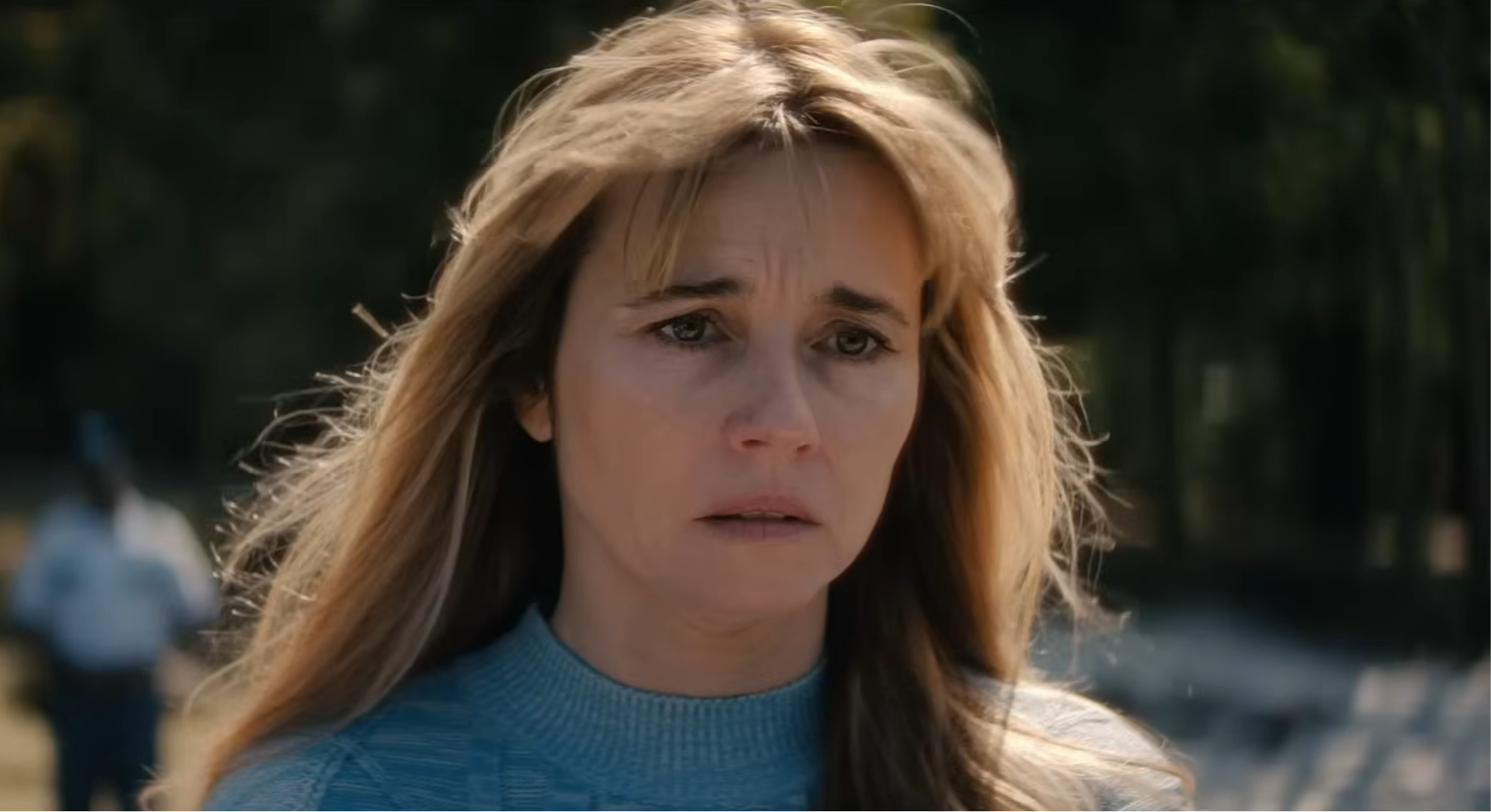
The most striking element of the released preview is its apparent tonal departure. The teaser opens with discussions of a cursed town, juxtaposed with images of cheerful campers and the sound of children singing. This imagery stands in stark contrast to the grim and violent nature of the original films, where children at the camp were rarely, if ever, depicted in such idyllic scenes. There’s a palpable throwback sensibility to the preview, evoking a sense of small-town legends and underlying unease reminiscent of the atmosphere found in certain critically acclaimed horror-dramas. Linda Cardellini, who portrays Pamela Voorhees, has herself indicated that the series aims for a more eclectic tonal palette than the original films.
"The tone is odd," Cardellini stated in an exclusive interview regarding the series’ multifaceted nature. "It is many things at once, but it works as this fun ride. There’s some scene set in an outdoor carnival, and I feel like it’s almost that feel." This suggests a deliberate creative choice to blend elements of drama, suspense, and perhaps even dark humor, moving beyond the established slasher formula.
The Genesis of Terror: Setting the Stage for Crystal Lake
The Friday the 13th franchise, which began its cinematic journey in 1980 with Sean S. Cunningham’s original film, has become synonymous with the slasher subgenre. The franchise’s enduring legacy is largely attributed to its relentless depiction of Jason Voorhees, a seemingly unkillable killer who stalks and murders a succession of camp counselors. However, the foundational narrative, as hinted at in the original film and now explored more deeply in Crystal Lake, lies with Jason’s mother, Pamela Voorhees.
Pamela’s descent into homicidal rage was spurred by the perceived negligence of camp counselors, which she believed led to her son Jason’s drowning in Crystal Lake. This traumatic event, occurring in the summer of 1957, set in motion a cycle of violence that would plague the fictional Camp Crystal Lake for decades. The original film, while effective in its suspense and gore, offered only glimpses into Pamela’s motivations, primarily through her own chilling monologues and appearances as the killer before Jason fully took over the mantle.
Crystal Lake promises to delve into this crucial period, focusing on Pamela’s psyche and the circumstances that propelled her to commit her initial acts of vengeance. By placing Pamela at the forefront and situating the narrative in the 1970s, the series offers a fresh perspective on the franchise’s mythology. This era was a fertile ground for psychological thrillers and character studies within the horror genre, allowing for a deeper exploration of trauma and its consequences.
A Timeline of Terror and Transformation
The narrative arc of Crystal Lake is intrinsically linked to the established timeline of the Friday the 13th universe, albeit with some creative liberties.
- Summer 1957: The catalyst event – the drowning of young Jason Voorhees at Camp Crystal Lake due to alleged counselor negligence. This incident marks the beginning of Pamela Voorhees’ unraveling.
- 1957-1979: The period between Jason’s death and the events of the original Friday the 13th film. It is during this extensive timeframe that Pamela’s grief festers, and her rage solidifies. The series Crystal Lake is set within this crucial, largely unexplored period, specifically in the 1970s. This allows for a deep dive into Pamela’s isolation, her psychological state, and the events that lead to her becoming the killer.
- Summer 1980: The setting of the original Friday the 13th. Pamela, now the primary antagonist, enacts her revenge on the new counselors of Camp Crystal Lake.
- Subsequent Films (1981-2009): The numerous sequels depict Jason Voorhees, now fully embodying the vengeful spirit of his mother, continuing his brutal campaign against anyone who dares to trespass on his territory.
By choosing to focus on Pamela’s story in the 1970s, Crystal Lake is positioned to explore the psychological landscape of grief and revenge in a period distinct from the immediate aftermath of Jason’s death. This allows for a more mature and perhaps melancholic portrayal of the character, potentially exploring her life beyond the immediate catalyst of her son’s drowning. The presence of "two strangers arriving at Pam’s door digging into her past" suggests an external force that either exacerbates her grief or uncovers secrets that further destabilize her, setting in motion the chain of events that will ultimately define her legacy.
Data and Context: The Franchise’s Enduring Appeal
The Friday the 13th franchise has been a significant cultural force, spawning twelve films, a television series, comic books, novels, and video games. The original film, despite a modest budget of $550,000, grossed over $59 million worldwide, demonstrating an immediate audience appetite for its brand of horror. Subsequent installments, while often met with critical indifference, consistently performed well at the box office, solidifying Jason Voorhees as one of horror’s most recognizable icons.
The franchise’s success can be attributed to several factors:
- Iconic Villain: Jason Voorhees, with his signature hockey mask, has become a cultural shorthand for terror. His relentless nature and seemingly supernatural resilience have made him a formidable and enduring antagonist.
- Slasher Tropes: The films largely adhere to the established tropes of the slasher genre, including isolated settings, young adult protagonists, and graphic violence, which resonated with a specific audience.
- Nostalgia: For a generation of moviegoers, Friday the 13th represents a significant part of their cinematic upbringing, fostering a strong sense of nostalgia.
- Franchise Longevity: The sheer number of films has allowed the franchise to evolve and adapt, even if incrementally, keeping it in the public consciousness.
However, the franchise has also faced criticism for its repetitive plots and perceived lack of depth. The decision to develop a prequel series focusing on Pamela Voorhees suggests a conscious effort to inject new narrative complexity and explore the psychological underpinnings of the horror. This approach aligns with a broader trend in modern horror storytelling, which often seeks to humanize or deconstruct its villains, offering a more nuanced perspective on the nature of evil.
Official Statements and Creative Intentions
While direct statements from the production team regarding the specific tonal choices have been limited, Linda Cardellini’s comments offer a significant insight into the creative vision. Her description of the series as a "mix-tape" and "many things at once" suggests a willingness to experiment with genre conventions. This approach is not entirely new to horror television; shows like American Horror Story have demonstrated the potential for anthology series to explore diverse themes and tones within a single universe.
The choice to cast Linda Cardellini, an actress known for her versatile performances in both dramatic and comedic roles (such as her acclaimed work on Dead to Me and Mad Men), further supports the idea that Crystal Lake aims for more than just straightforward horror. Her ability to convey vulnerability, strength, and dark humor could be instrumental in bringing Pamela Voorhees to life in a way that resonates with modern audiences.
The official description itself hints at a narrative that will explore the psychological impact of grief and the potential for ordinary individuals to be pushed to extraordinary, and in this case, horrific, acts. The inclusion of "two strangers digging into her past" introduces an element of mystery and potential conspiracy, suggesting that Pamela’s story might be more complex than simply that of a grieving mother. This could imply that external factors or hidden truths play a significant role in her transformation.
Broader Implications for the Franchise and Genre
The Crystal Lake series has the potential to significantly impact the Friday the 13th franchise and the broader horror genre.
- Reinvigorating a Stagnant Franchise: After years of dormancy, with the last film released in 2009, Crystal Lake could provide a much-needed revitalization for the Friday the 13th brand. By exploring new narrative territory and appealing to a wider audience with its more complex tone, the series could attract both long-time fans and new viewers.
- Challenging Genre Conventions: A successful and critically acclaimed prequel that prioritizes character development and psychological depth over gratuitous violence could influence future horror productions. It demonstrates that even established, gore-centric franchises can evolve and find new ways to explore their core themes.
- Exploring the "Monster’s Origin": The trend of humanizing or providing nuanced origins for iconic horror villains is a growing one. By focusing on Pamela’s grief and trauma, Crystal Lake taps into this trend, offering a more empathetic, or at least understandable, perspective on the genesis of the terror associated with Crystal Lake. This can lead to more compelling storytelling and a deeper engagement with the "why" behind the violence.
- Streaming Platform Strategy: The series’ debut on Peacock signifies the continued importance of streaming services in reviving and reimagining beloved franchises. This partnership allows for a more serialized and character-focused approach than a traditional film release, potentially enabling a deeper exploration of Pamela’s story over multiple episodes.
The streaming debut of Crystal Lake is slated for October 15th. The success of this ambitious prequel will likely depend on its ability to balance the expectations of franchise fans with its evident desire to tell a more sophisticated and character-driven story, potentially redefining the narrative landscape of one of horror’s most enduring legends.