The Hollywood Reporter, a cornerstone of entertainment industry journalism for nearly a century, has officially announced its entry into the creator economy with the launch of UP NEXT: The Creator IP Market. Scheduled to debut in Los Angeles in October 2026, the event is a collaborative venture with Access Media, designed to serve as a high-level business exchange between digital-first content creators and the traditional Hollywood infrastructure. This initiative marks a significant pivot in how intellectual property (IP) is scouted, developed, and commercialized, recognizing the growing dominance of independent creators in the global media ecosystem.
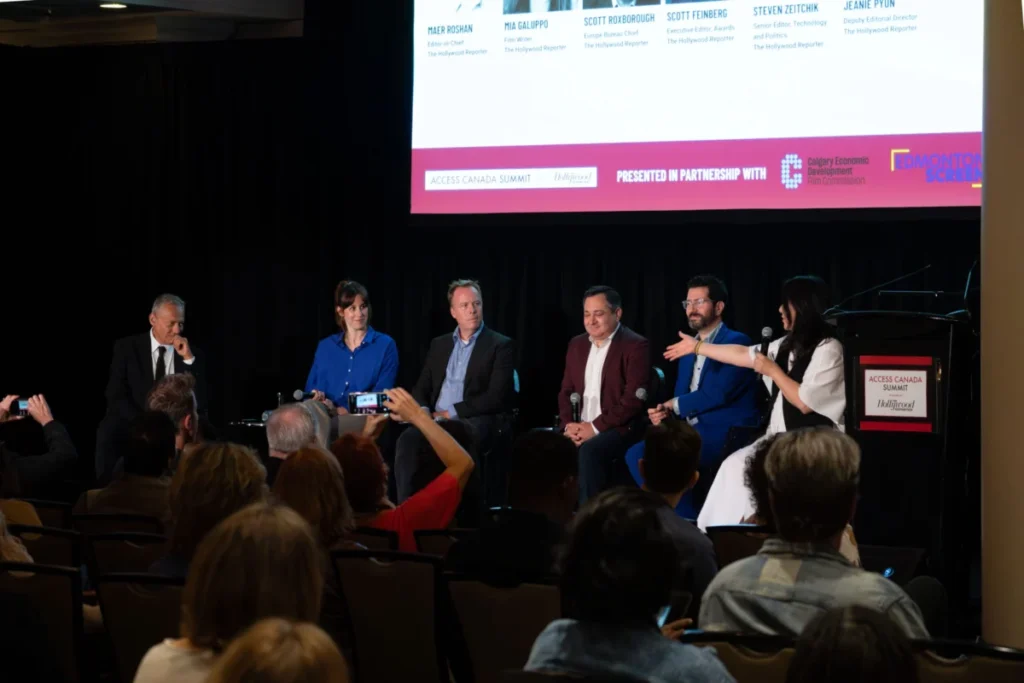
The UP NEXT marketplace is positioned as a first-of-its-kind institutional bridge. It aims to connect global, development-ready digital producers with a wide array of industry stakeholders, including major film studios, streaming services, linear broadcasters, talent agencies, production companies, and global brands. Unlike traditional fan-facing conventions, UP NEXT is structured as a premium business environment focused on deal-making, IP acquisition, and long-term strategic partnerships. The event will feature a comprehensive slate of programming, including curated one-on-one networking sessions, live IP presentations, creator showcases, and keynote conversations featuring some of the most influential voices in both the digital and traditional entertainment sectors.
The Strategic Shift in Hollywood’s Development Pipeline
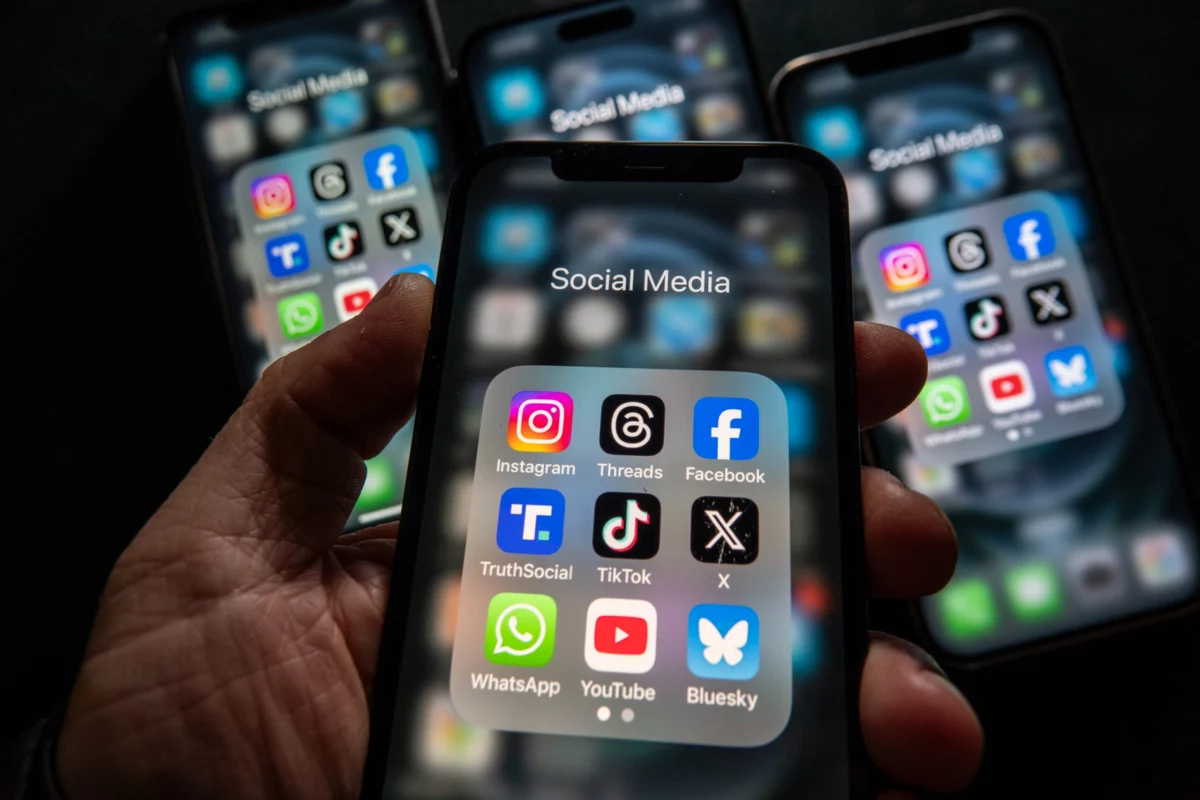
The establishment of UP NEXT comes at a time when the traditional Hollywood development model is undergoing a radical transformation. For decades, the pipeline for new content was largely internal, relying on studio-driven scripts and established literary properties. However, the rise of the creator economy has introduced a new paradigm: audience-first storytelling. In this model, content is developed and tested in real-time on platforms like YouTube, TikTok, Instagram, and various podcast networks. By the time a creator approaches a studio, they often possess a proven track record of engagement, a loyal fan base, and a clear understanding of their demographic—data points that are increasingly valuable to studios looking to mitigate financial risk.
Maer Roshan, Editor-in-Chief of The Hollywood Reporter, highlighted this evolution, stating that the fast-growing creator economy is now a primary fuel source for studio talent pipelines. According to Roshan, digital innovators are not only driving brand marketing strategies but are also redefining the very definition of stardom. The 2026 launch of UP NEXT is intended to formalize this relationship, providing a structured venue where "born-on-the-web" IP can be translated into television series, feature films, and global franchises.
Leadership and Management: A Specialized Approach
To ensure the marketplace meets the specific needs of both digital creators and Hollywood executives, UP NEXT has appointed Scott Benzie as its General Manager. Benzie brings a wealth of experience to the role, having previously served as the CEO of Buffer Festival and the founder of the WorldBuilder Summit. His background in managing digital-first festivals and high-level creator summits is expected to provide the necessary expertise to bridge the cultural and professional gap between Silicon Valley-inflected digital media and the legacy systems of Los Angeles.
Ferne Cohen, President of Access Media and Executive Director of UP NEXT, will oversee the broader operational strategy. Cohen has emphasized that the event is designed to address the "most significant shift" in the history of entertainment. She noted that the traditional development pipeline is evolving so rapidly that the most valuable and culturally relevant IP is now emerging from creator-led communities. The goal of UP NEXT is to provide a "serious business marketplace" where these innovators can connect directly with the investors and networks looking to shape the future of the industry.
The Economic Context: A $250 Billion Industry
The launch of UP NEXT is supported by compelling economic data regarding the scale of the creator economy. According to a 2023 report by Goldman Sachs, the creator economy is currently valued at approximately $250 billion and is projected to nearly double to $480 billion by 2027. This growth is driven by several factors, including the democratization of production tools, the proliferation of monetization features on social platforms, and a shift in advertising spend from traditional media to influencer-led campaigns.
Furthermore, the "micro-drama" and short-form video sectors have seen explosive growth. In markets like China, short-form dramas—episodes lasting only one to two minutes—have become a multi-billion dollar industry, a trend that is beginning to take root in North America. These formats represent a new frontier for IP development, offering a low-cost testing ground for narratives that can eventually be expanded into long-form content. UP NEXT aims to capture this momentum by providing a platform for creators of micro-dramas, podcasts, and digital series to pitch their concepts to buyers who have historically focused on traditional formats.
Chronology of the Digital-to-Legacy Transition
The path toward UP NEXT can be traced through several key milestones in the entertainment industry over the past decade:
- The Early MCN Era (2010-2015): The rise of Multi-Channel Networks (MCNs) like Maker Studios and Fullscreen signaled Hollywood’s first attempt to aggregate digital talent. While many of these ventures were eventually absorbed by larger conglomerates (e.g., Disney’s acquisition of Maker Studios), they proved that digital audiences could be scaled.
- The Podcast Boom (2018-Present): The success of shows like Homecoming, The Shrink Next Door, and WeCrashed demonstrated that audio-first IP could be successfully adapted into prestige television. This established a blueprint for "cross-platform" IP development.
- The Rise of the "Mega-Creator" (2020-Present): Figures like MrBeast and Emma Chamberlain transitioned from "influencers" to "media moguls," launching consumer brands and production companies that rival traditional mid-sized studios.
- The Hollywood Labor Shifts (2023): Following the writers’ and actors’ strikes in 2023, there was an increased focus on how digital content and AI would impact the traditional workforce, leading to a more urgent conversation about the integration of digital talent into unionized environments.
- The 2026 Target: The launch of UP NEXT in October 2026 is timed to coincide with a period where the first generation of "TikTok-native" IP is expected to reach maturity for large-scale studio adaptation.
Official Responses and Industry Implications
The announcement has garnered attention from across the media landscape. While official statements from major studios are expected closer to the event date, industry analysts suggest that the initiative is a necessary response to the fragmentation of viewership. Traditional networks are struggling to reach Gen Z and Gen Alpha audiences, who spend a disproportionate amount of their time on YouTube and TikTok compared to linear TV or even subscription video-on-demand (SVOD) services.
By hosting the event in Los Angeles, The Hollywood Reporter is reinforcing the city’s status as the global capital of entertainment commerce, even as the methods of production become increasingly decentralized. For talent agencies like CAA, WME, and UTA, which have already established robust digital and creator departments, UP NEXT provides a centralized hub to showcase their rosters to a concentrated group of buyers.
For brands, the marketplace offers a unique opportunity to engage in "upstream" marketing. Rather than simply buying a 30-second spot or a sponsored post, brands can participate in the development of IP from its inception, ensuring deeper integration and more authentic alignment with creator-led communities.
Broader Impact and Future Outlook
The long-term implications of UP NEXT: The Creator IP Market extend beyond simple deal-making. It represents a formal acknowledgment by the "Old Guard" of Hollywood that the gatekeeping mechanisms of the past are no longer sufficient to identify the next generation of global stars. The "audience-first" approach championed by this event suggests that the most successful future projects will be those that have already been vetted by the public in the digital town square.
As October 2026 approaches, The Hollywood Reporter and Access Media are expected to release further details regarding the selection criteria for creators and the specific roster of attending studios. The success of the event will likely be measured by the volume of development deals signed and the eventual transition of digital properties into the mainstream awards conversation.
In conclusion, UP NEXT: The Creator IP Market is more than just a trade show; it is a strategic intervention in a shifting market. By providing the infrastructure for digital innovators to meet legacy power players, The Hollywood Reporter is positioning itself at the center of the next great era of entertainment—one where the boundary between the "creator" and the "studio" is permanently blurred. The industry will be watching closely as the first participants are announced, signaling which creators will be the first to cross the bridge into the redefined Hollywood.