The landscape of digital entertainment is undergoing a significant transformation as niche fan communities migrate toward interactive, creator-led programming that mimics the production value of traditional television. This week marks the premiere of Better Luck than Chuck, an original horror-trivia game show that seeks to bridge the gap between cinephile expertise and the comedic sensibilities of the genre community. Produced by Scotchworthy Productions and The Line Film Company, the series aims to establish itself as a weekly staple for horror enthusiasts by combining the high-stakes tension of a traditional quiz show with the dark humor inherent to horror fandom.
The series, created by industry veterans Meredith Tummillo and Tony Wash, arrives at a time when the horror genre is experiencing a historic box office resurgence. By focusing on the intellectual investment of the horror community, the show taps into a demographic that has become increasingly defined by its deep-dive knowledge of production history, creature design, and cinematic lore.
The Premise and Production Architecture
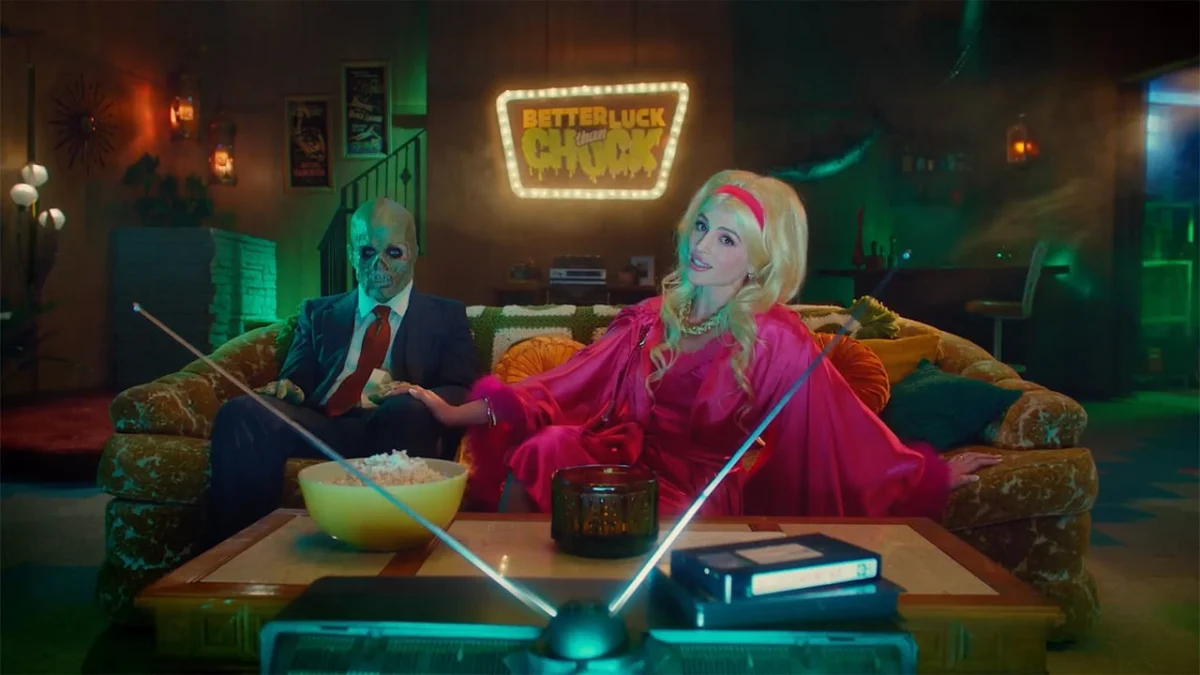
At its core, Better Luck than Chuck is structured as a competitive trivia gauntlet where participants must demonstrate mastery over the genre’s most iconic films, historical milestones, and technical minutiae. The show’s narrative hook revolves around its hosts: The Widow, portrayed by Alexis Allotta, and her undead spouse, Charlie, played by Adam Michaels. This framing device provides the "horror-comedy" aesthetic, utilizing a gothic, theatrical backdrop to frame the trivia challenges.
The production represents a collaborative effort between Scotchworthy Productions and The Line Film Company, entities that have long operated within the independent horror space. By leveraging their existing industry connections, the creators have managed to secure a roster of celebrity guest question-readers that would typically be reserved for high-budget streaming specials. The inclusion of figures such as Mike Flanagan, the architect behind the successful Netflix "Haunting" anthology, and directors like Brea Grant and Rebekah McKendry, provides an air of legitimacy to the proceedings, ensuring that the questions posed are vetted by individuals who have actively contributed to the genre’s evolution.
Chronology of Development and Distribution Strategy
The development of Better Luck than Chuck reflects a broader trend in independent media production. Following the initial conception by Tummillo and Wash, the production team spent the preceding year securing talent and finalizing the visual identity of the set. The decision to host the show on YouTube, with a premiere date of September 24 and subsequent weekly releases every Thursday, highlights a strategic move to maximize audience retention through consistent, episodic engagement.
Unlike legacy television models that rely on traditional distribution networks, this project utilizes the YouTube ecosystem to bypass gatekeepers, allowing for direct-to-consumer interaction. This distribution model is increasingly common for niche-interest content, as it allows for a lower barrier to entry for international viewers while providing data-rich analytics that can inform future seasons or potential brand partnerships.
Celebrity Involvement and Industry Legitimacy
The list of guest readers serves as a "who’s who" of contemporary horror talent, which serves two purposes: marketing visibility and content quality. The involvement of Mike Flanagan, known for his cerebral approach to horror in projects like Doctor Sleep and Midnight Mass, suggests that the trivia will lean toward the sophisticated rather than the superficial. Similarly, the participation of Chad Villella, a key member of the Radio Silence collective responsible for the revitalization of the Scream franchise and the V/H/S series, underscores the show’s commitment to the modern independent horror scene.
Other contributors include:

- Brea Grant: An actor and director known for Lucky and her work in independent genre filmmaking.
- BJ McDonnell: Director of the horror-comedy Studio 666, which bridges the gap between music and genre cinema.
- Gary Sherman: A veteran of the industry, whose credits include the cult classic Poltergeist III.
- Rebekah McKendry: A filmmaker and academic whose work, such as Glorious, frequently explores the intersection of practical effects and psychological horror.
- Anthony Cousins: Director of Frogman, representing the newer wave of independent genre directors.
This intergenerational mix of talent ensures that the trivia questions cover the entire spectrum of horror history, from the practical-effects-heavy practicalities of the 1980s to the psychological shifts of the 21st century.
The Economics of Niche Trivia Content
The rise of Better Luck than Chuck is not occurring in a vacuum. It follows a period of significant growth for horror-related media. According to industry analysis from the past three years, horror remains one of the most profitable genres for theatrical investment, often yielding high returns on relatively modest production budgets. This financial stability has trickled down into the fan economy, where podcasts, merchandise, and now game shows have become primary drivers of community cohesion.
By providing a platform for fans to demonstrate their "insider" knowledge, the show functions as a community-building exercise. There is an inherent psychological reward for the audience in participating in "fandom labor"—the process of memorizing dates, character names, and obscure production trivia. Better Luck than Chuck gamifies this labor, providing a structured environment where such knowledge is not only validated but rewarded with prizes.
Broader Implications for Genre Media
The emergence of this series signals a shift in how genre content is being consumed and produced. As streaming platforms begin to consolidate their offerings, independent creators are finding that the most effective way to reach a dedicated audience is through long-form, episodic content that encourages community participation.
The impact of such a show on the horror community is twofold:
- Educational Enrichment: By utilizing industry experts to read questions, the show inadvertently acts as a repository of historical film knowledge, ensuring that the history of the genre is passed down through these interactive moments.
- Platform Neutrality: The success of the show will likely depend on its ability to maintain high production values while adhering to a strict weekly release schedule. If successful, it could serve as a blueprint for other niche genres (such as science fiction or fantasy) to develop their own game-show formats, independent of major network support.
Furthermore, the integration of comedy into the horror-trivia format addresses the "genre fatigue" that can sometimes set in when discussing the darker themes of horror cinema. By keeping the tone light and the presentation theatrical, the creators ensure that the show remains accessible to casual fans while still providing enough technical depth to satisfy the most ardent cinephiles.
Conclusion and Future Outlook
As the inaugural episode of Better Luck than Chuck goes live, the industry will be watching to see how the audience responds to this specific blend of high-concept trivia and horror-themed performance art. The project is an ambitious undertaking that leverages the expertise of established filmmakers to build a bridge between the creators of horror and those who consume it with the most fervor.
With new episodes slated for every Thursday, the show is positioned to become a recurring event in the calendars of horror fans. The commitment to maintaining a consistent, high-quality production schedule suggests that Scotchworthy Productions and The Line Film Company are invested in the long-term viability of the brand. As it stands, the show is not just a game; it is an experiment in the democratization of expertise within the horror community, proving that the most compelling content often arises from those who understand their audience with the greatest intimacy. Whether it manages to redefine the genre-trivia format remains to be seen, but the initial reception from the community suggests a strong appetite for this intersection of entertainment and intellectual competition.