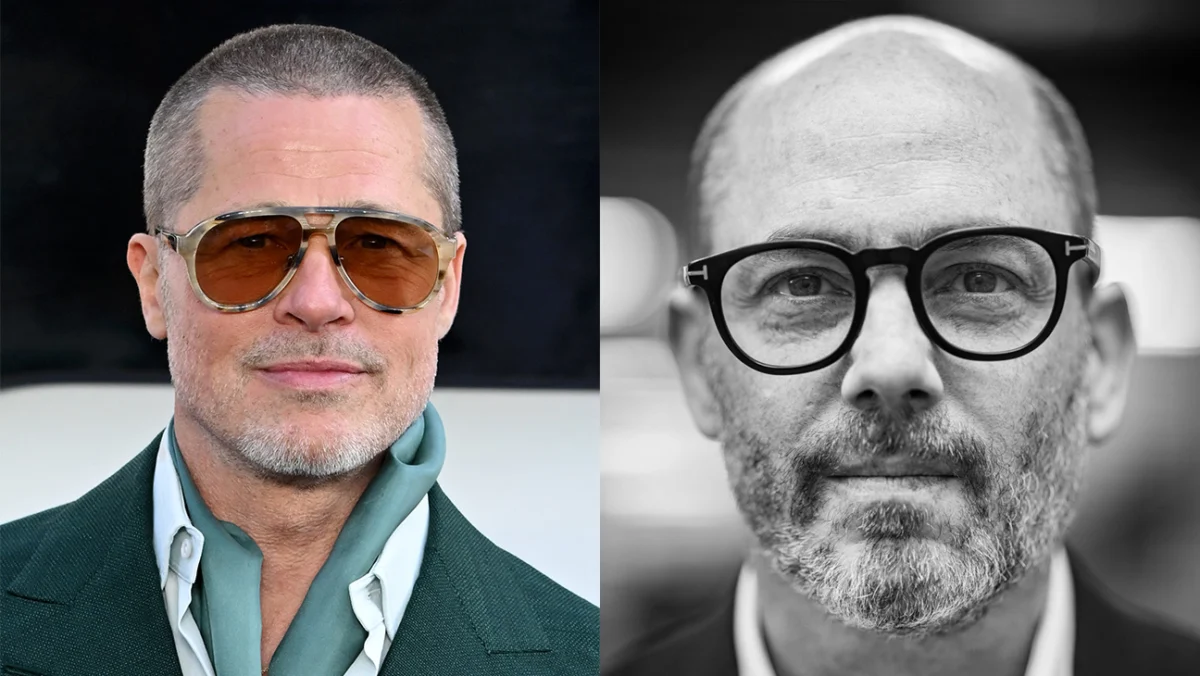
The global cinematic landscape is set for a high-stakes resurgence of one of the most successful horror-thriller franchises of the early 21st century. Paramount Pictures, under the new stewardship of Skydance Media, has officially signaled that a sequel to the 2013 blockbuster World War Z is moving into active development. The project, which has languished in "development hell" for over a decade, is finally gaining momentum with Hollywood heavyweight Brad Pitt confirmed to reprise his role as Gerry Lane, the former United Nations investigator tasked with saving humanity from a rapid-onset undead pandemic.
Joining the project in a major creative coup is Edward Berger, the acclaimed German director whose recent works, including the Academy Award-winning All Quiet on the Western Front and the Vatican-based thriller Conclave, have established him as one of the most sought-after auteurs in international cinema. The collaboration between Pitt and Berger is not entirely new; the pair recently wrapped production on the A24 psychological thriller The Riders, a project that solidified their professional rapport and set the stage for this ambitious return to the apocalyptic genre.
A Chronology of a Decade-Long Stalled Production
The road to the second chapter of the World War Z saga has been characterized by fits and starts that have become industry folklore. Following the original film’s release in June 2013, which earned $540 million against a massive, budget-strained production cost, Paramount immediately expressed interest in a franchise. However, the path forward was fraught with complications.
By 2014, the studio had tapped J.A. Bayona, known for The Impossible, to helm the sequel. Hopes were high, but scheduling conflicts and script revisions ultimately led to his departure in 2016. The most notable attempt to revitalize the project occurred when David Fincher, a frequent collaborator of Pitt’s, signed on to direct. Fans and industry analysts alike were optimistic that Fincher’s meticulous style would elevate the sequel into a prestige horror-thriller. Despite years of development and multiple script drafts, the project was quietly shelved in 2019, with reports citing budget concerns and the sheer scale of the production as primary hurdles.
The acquisition of Paramount by Skydance in 2025 served as the turning point. Identifying the intellectual property as a key asset in their library, the new management team moved the sequel to the top of their priority list. The decision to bring in Dennis Kelly, the Tony Award-winning writer behind the stage adaptation of Matilda: The Musical and the architect of dark British thrillers like Utopia, indicates a shift in the narrative approach, favoring a more focused and intense screenplay.
The Financial and Cultural Impact of the Original
To understand the weight of this announcement, one must examine the original film’s trajectory. Based on Max Brooks’ 2006 cult-classic novel, World War Z was initially expected to be a niche horror endeavor. However, the film underwent significant creative surgery, including a total overhaul of the third act, which was famously reshot in Hungary. These production woes, which saw the budget balloon toward the $200 million mark, caused significant anxiety among studio executives.
When it finally hit theaters, the film defied the odds. It became the highest-grossing zombie film of all time, a record it held for several years. Its success proved that the "zombie apocalypse" trope, when treated with the gravity of a geopolitical thriller rather than a B-movie horror, could capture a massive global audience. The film’s success was largely attributed to Pitt’s grounded, human-centric performance, which anchored the fantastical elements of the viral outbreak. Analysts suggest that the sequel’s success will hinge on whether it can replicate that balance between spectacle and personal stakes.
The Role of Edward Berger and Creative Direction
The appointment of Edward Berger as director is a strategic pivot. Berger is celebrated for his ability to handle complex, large-scale historical and political narratives with a deeply human lens. All Quiet on the Western Front demonstrated his capacity to manage intense action sequences while maintaining a sense of existential dread.
"Berger is a filmmaker who understands the weight of a scene," notes one industry analyst familiar with the production. "By moving away from the pure action-blockbuster template and toward something more nuanced, the studio is signaling that this sequel will be a character-driven experience, which is likely what convinced Brad Pitt to return."
With Dennis Kelly penning the script, observers expect a tighter, more cynical narrative. Kelly’s work often explores the breakdown of societal structures under pressure, a thematic fit for the World War Z universe. The production will be managed by Pitt’s Plan B Entertainment, alongside Dede Gardner and Jeremy Kleiner, ensuring that the project remains under the creative control of a team that has successfully navigated similar high-budget productions in the past.
Industry Implications and Future Outlook
The revival of World War Z is a bellwether for the current state of the film industry, where established intellectual property remains the primary currency for major studios. However, the industry is also seeing a shift toward "auteur-led" franchise filmmaking—the practice of hiring prestigious directors to put a distinct stamp on existing properties.
Furthermore, the integration of Skydance’s influence suggests a streamlined approach to production. The previous iteration of the sequel suffered from a lack of clear vision and shifting priorities; the current administration is reportedly focused on fiscal discipline combined with high-concept storytelling.
From a market perspective, the return of Pitt—who continues to be one of the few genuine "movie stars" capable of opening a film on his name alone—is a massive win for Paramount. Following the September 25 release of his survival drama Heart of the Beast, directed by David Ayer, Pitt’s profile will be at a high, providing a perfect runway for the marketing campaign of the World War Z sequel.
Looking Ahead: The Challenges of the Undead
Despite the enthusiasm, the production faces significant hurdles. The zombie sub-genre has become increasingly saturated in the decade since the first film, with series like The Walking Dead and films like Train to Busan having explored every conceivable angle of the apocalypse. For the sequel to succeed, it must innovate. It cannot simply be a repeat of the original’s global trek; it must provide a fresh perspective on the lore established by Max Brooks.
The screenplay is currently in a state of final refinement, and casting for supporting roles is expected to commence by early next year. While the plot remains under tight wraps, sources suggest the story will pick up in a world that has learned to live with the threat of the virus, rather than a world that is only just discovering it. This "post-collapse" setting offers a wealth of narrative potential, moving the story from a disaster film to a post-apocalyptic study of rebuilding and paranoia.
As the industry watches, the pressure is on for Paramount and Berger to prove that the world is ready for another encounter with the undead. With a proven producer, an Academy Award-winning director, and a star committed to the project’s vision, the sequel to World War Z represents one of the most intriguing developments in current Hollywood history. Whether it can recapture the lightning-in-a-bottle success of its predecessor remains to be seen, but the intent is clear: the war for the survival of humanity is far from over.