Mumbai filmmaker Rohan Kanawade makes a remarkably assured directorial debut with "Cactus Pears," a film that is at once tender, subtle, candid, and meticulously observed. The narrative delves into a story of forbidden and, perhaps more accurately, semi-forbidden and semi-acknowledged love, intertwined with an emotional blossoming that starkly reveals the oppressive influence of family, societal status, and class in rural India. The film, lauded for its sensitive portrayal of complex relationships, offers a window into the quiet struggles and unspoken desires that shape lives within a tightly knit community.
The Premise: A Return to Roots and Rekindled Emotions
The central figure of "Cactus Pears" is Anand (played by Bhushaan Manoj), a 30-year-old call-center professional residing in the bustling metropolis of Mumbai. His life takes an unexpected turn when he is compelled to return to his remote ancestral village following the death of his father. The traditional 10-day mourning period necessitates an extended absence from his urban professional life, forcing Anand into a position of having to grovelingly apologize to his employer over the phone for his unavoidable departure.
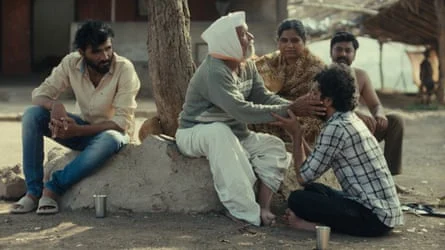
The poignancy of his father’s final wishes is subtly woven into the fabric of the film. His father’s dying request was for his wife, Suman (portrayed by Jayshri Jagtap), to prepare him a particularly cherished meal. This seemingly simple desire gains deeper significance in a later scene where Anand’s elderly, blind grandfather reminisces about the circumstances of his own marriage to Suman. The grandfather recounts his decision to marry Suman, who was considered of lower social standing and lacked formal education, a choice driven by a profound, albeit unspoken, affection that transcended societal expectations of the time. This flashback serves as an early indicator of the film’s exploration of love and commitment beyond conventional boundaries.
Unacknowledged Desires and Societal Pressures
Anand’s mother, Suman, a widow navigating her grief, advises her son to maintain discretion regarding the true reasons for his prolonged stay in the village and his unmarried status. The fabricated narrative they adopt is that a romantic disappointment, a "girl" who broke his heart, is the cause of his solitary state. This manufactured excuse weighs heavily on Anand, who finds himself contemplating whether to reach out to a significant person in his past, revealing his return to their shared neighborhood.
However, the more profound emotional undercurrent of the film emerges through Anand’s reconnection with Balya (Suraaj Suman), a poor goatherd and casual laborer. Balya’s family, it is revealed, has long depleted its financial resources supporting his sister’s dowry. He shares with Anand a deep, though previously dormant, affection. Yet, Balya himself is under immense pressure from his community to marry. The village, while perhaps operating on a level of collective denial, is acutely aware of the underlying reasons for Balya’s single status and views his continued unmarried state as a source of embarrassment. This societal pressure creates a palpable tension, mirroring Anand’s own internal conflict and the precariousness of their shared feelings.
The Symbolic Significance of Cactus Pears
As the 10-day observance unfolds and the date of his father’s funeral ceremony draws nearer, Anand’s resolve about his future solidifies. The titular "cactus pears" emerge as a potent symbol within the film. They are presented as a shy gift from Balya to Anand. Significantly, Balya has taken the care to symbolically remove the prickly outer layer of the fruit before offering it. This tender gesture highlights the inherent difficulties and dangers associated with their burgeoning relationship, suggesting that while the immediate prickles of their affection might be softened, the deeper societal thorns remain formidable obstacles. The cactus pear, a fruit that thrives in harsh conditions and possesses a protective exterior, becomes a metaphor for the resilience required to nurture love in the face of adversity and societal judgment.
Rohan Kanawade’s Vision: A New Voice in Indian Cinema
Rohan Kanawade’s directorial debut has been widely praised for its nuanced storytelling and its ability to capture the subtle emotional currents that define human relationships. The film eschews melodrama for a more understated and authentic approach, allowing the performances to carry the emotional weight of the narrative. The deliberate pacing and the focus on visual storytelling contribute to an immersive experience, drawing the audience into the quiet world of Anand and Balya.

The film’s exploration of themes such as class disparity, familial obligations, and the constraints imposed by traditional societal norms resonates deeply. In India, where societal structures often dictate personal choices, particularly concerning marriage and relationships, "Cactus Pears" offers a compelling commentary on the individuals who dare to defy these expectations. The film touches upon the deeply ingrained caste system and economic inequalities that continue to influence social interactions and personal freedoms in many rural areas.
Background Context: Societal Norms and LGBTQ+ Representation in India
The narrative of "Cactus Pears" is set against a backdrop of evolving, yet still restrictive, societal norms in India. While the decriminalization of Section 377 in 2018 by the Supreme Court was a landmark victory for LGBTQ+ rights, the lived experiences of individuals, especially in more conservative rural communities, continue to be challenging. Societal acceptance often lags behind legal reforms, and issues of familial pressure, social stigma, and the fear of ostracization remain significant hurdles.
The film’s portrayal of a relationship that is "semi-forbidden and semi-unacknowledged" accurately reflects the reality for many in India, where open expression of same-sex love can still be met with resistance and misunderstanding. The pressure on Balya to marry, a common expectation in Indian society, is amplified by the unspoken knowledge within his community of his true feelings, forcing him into a performance of heteronormativity to maintain social standing.
Supporting Data and Potential Implications
While specific box office data or audience reception figures for "Cactus Pears" are not yet widely available given its status as a recent debut, critical reviews suggest a strong potential for significant impact. The film’s success in navigating sensitive themes with such artistic integrity could pave the way for more nuanced and authentic portrayals of LGBTQ+ lives within Indian cinema.
The implications of "Cactus Pears" extend beyond its narrative. It contributes to a growing body of Indian independent cinema that tackles complex social issues with a sensitive and artistic lens. Such films are crucial in fostering dialogue and challenging deeply entrenched prejudices. The film’s success could also encourage more filmmakers to explore the diverse spectrum of human relationships and experiences that exist within India, moving away from conventional Bollywood tropes.
Broader Impact and Future Outlook
The success of a film like "Cactus Pears" hinges on its ability to connect with audiences on an emotional level, transcending specific cultural contexts to speak to universal themes of love, longing, and the struggle for self-acceptance. The careful depiction of the oppressive importance of family, status, and class underscores the systemic barriers that individuals face when their desires diverge from societal expectations.
The film’s subtle approach to its subject matter, focusing on the internal lives of its characters and the quiet desperation that often accompanies unacknowledged love, is a testament to Kanawade’s directorial skill. It serves as a reminder that impactful storytelling does not always require overt conflict but can be found in the tender, unspoken moments that define our humanity. As "Cactus Pears" garners attention, it stands as a beacon of hope for more inclusive and representative storytelling within the vibrant landscape of Indian cinema, offering a poignant reflection of realities often left unseen and unheard. The film’s quiet power lies in its ability to illuminate the resilience of the human spirit in the face of profound societal constraints, leaving a lasting impression on those who witness Anand and Balya’s journey.