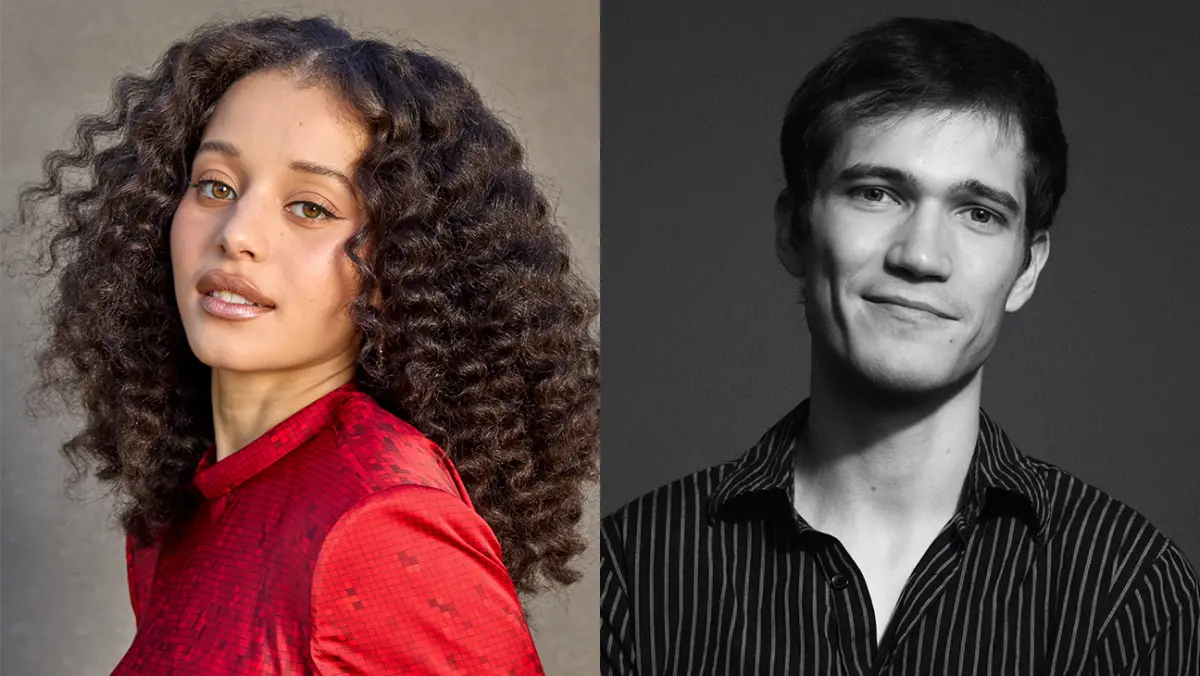
Following a breakout performance in the Academy Award-winning drama One Battle After Another, actress Chase Infiniti has officially selected her next project, signaling a strategic shift toward the horror genre. Infiniti is set to headline the upcoming feature film Portrait of God, a project that has rapidly become one of the most anticipated titles in development due to its high-profile creative team and the rising trajectory of its director, Dylan Clark.
The film, which centers on a fresh interpretation of religious horror, is being fast-tracked by Lionsgate. The project represents a significant coup for the studio, which acquired the rights after the feature was released from its previous development deal at Universal Pictures earlier this year. This transition highlights the increasingly aggressive environment in Hollywood regarding the acquisition of intellectual property from emerging digital-native filmmakers.
A Visionary Creative Collaboration
The production of Portrait of God is perhaps most notable for the rare collaboration between two of the most influential figures in modern horror cinema: Sam Raimi and Jordan Peele. By bringing together Ghost House Pictures—Raimi’s production company—and Monkeypaw Productions—Peele’s banner—the film bridges two distinct eras of horror mastery.
Sam Raimi, known for his seminal work on the Evil Dead franchise and his expansive influence on supernatural thrillers, brings decades of structural expertise to the project. Conversely, Jordan Peele, who redefined social-psychological horror with Get Out, Us, and Nope, provides a contemporary, thematic depth that has proven highly lucrative at the box office.
The production team also includes Rob Tapert of Ghost House and Win Rosenfeld of Monkeypaw, alongside co-writer Joe Russo. This ensemble represents a robust infrastructure designed to support a filmmaker transitioning from the digital space to the mainstream theatrical circuit.
From Viral Short to Feature Film
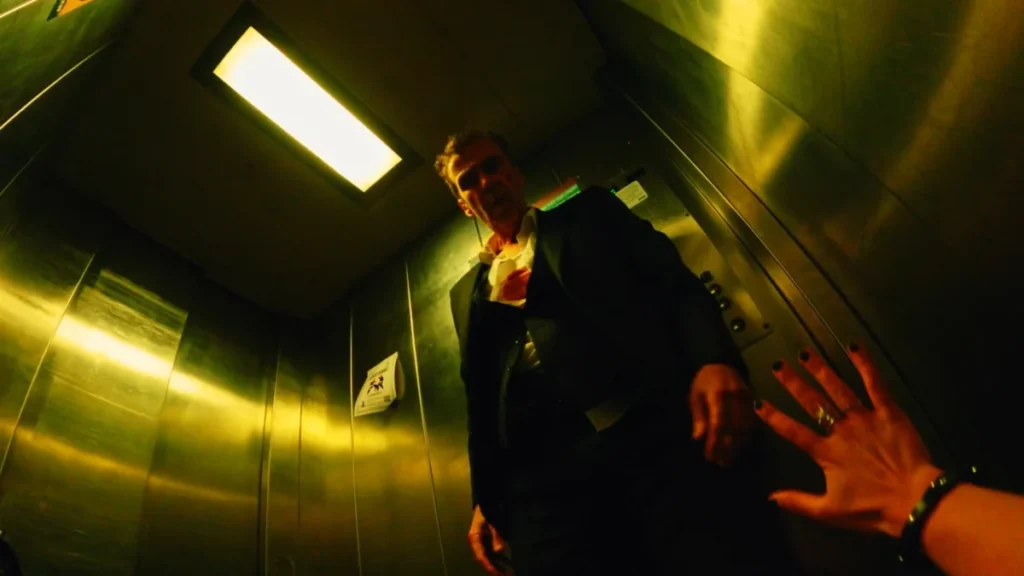
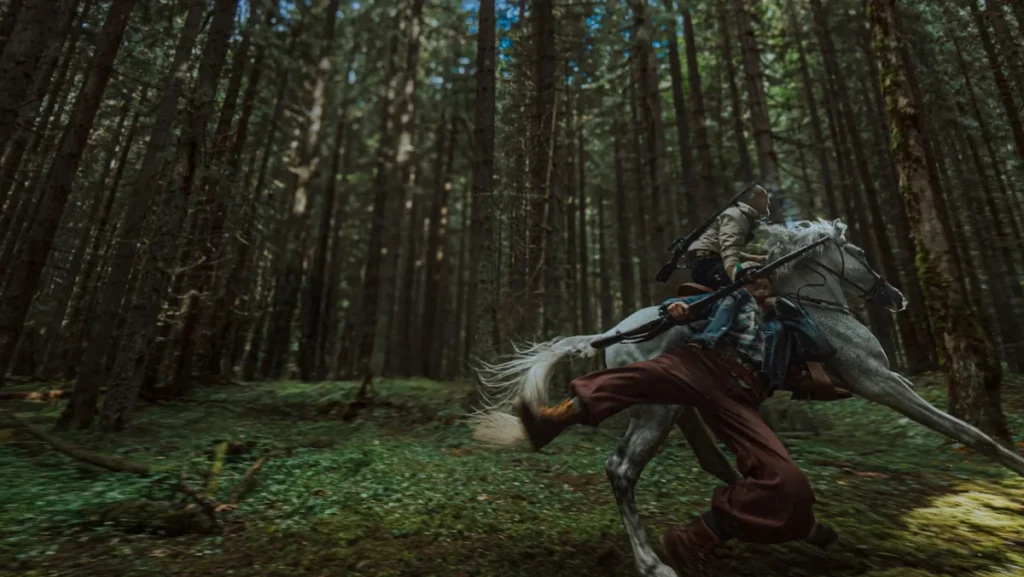
The genesis of Portrait of God lies in the 2022 short film of the same name directed by Dylan Clark. Upon its release on digital platforms, the short film became a viral phenomenon, accumulating millions of views and drawing critical praise for its ability to generate intense dread within a confined narrative.
Clark’s ascent serves as a modern case study for the current state of talent acquisition in the film industry. By leveraging the reach of YouTube and social media, Clark bypassed traditional gatekeepers, proving that high-concept horror can generate a built-in audience before a feature-length script is even greenlit.
Lionsgate’s commitment to Clark is twofold. In addition to Portrait of God, Clark is currently helming the highly anticipated reboot of The Blair Witch Project, a project being co-produced by Lionsgate and Jason Blum’s Atomic Monster. This dual-project pipeline underscores the studio’s confidence in Clark’s ability to bridge the gap between niche internet horror audiences and the global theatrical market.
The Strategic Importance of Chase Infiniti
Chase Infiniti’s decision to follow her Oscar-winning debut in One Battle After Another with a horror project is a significant career move. In an industry where actors often gravitate toward prestige dramas after critical success, Infiniti’s pivot to a genre film suggests a desire to demonstrate range and command the screen in high-stakes environments.
Infiniti’s previous work, most notably in Paul Thomas Anderson’s One Battle After Another, established her as a formidable dramatic talent capable of carrying the emotional weight of a film that swept six Academy Awards. Her second feature, The Julia Set, which was filmed prior to her meteoric rise, has recently debuted at the Toronto International Film Festival. The fact that The Julia Set is currently seeking distribution while Infiniti moves into a high-profile studio production like Portrait of God highlights her current standing as one of the most sought-after young performers in the industry.
Industry Implications and the Horror Arms Race
The acquisition of Portrait of God by Lionsgate reflects a broader trend in the entertainment industry: the "arms race" for young horror talent. As streaming platforms and theaters alike see sustained returns on mid-budget horror films, studios are increasingly competing to sign creators who have demonstrated a mastery of viral storytelling.
Recent successes, such as Curry Barker’s Obsession and Kane Parson’s Backrooms, have proven that digital-native creators possess an innate understanding of what modern audiences find frightening. By securing the rights to Portrait of God, Lionsgate is not merely acquiring a script; they are securing a director who understands the psychological triggers of a younger, digitally connected demographic.
Data from the past three years consistently shows that horror remains the most reliable genre for theatrical attendance. Films like Smile, Talk to Me, and Barbarian have demonstrated that original concepts—often helmed by newer directors—can outperform established franchise sequels. This economic reality has led to a shift in how studios allocate resources, favoring directors like Clark who bring a proven track record of engagement.
Official Responses and Creative Direction
The leadership at Lionsgate has expressed significant enthusiasm for the project. Adam Fogelson, chairman of the Lionsgate Motion Picture Group, emphasized the importance of the team assembled for the film.
"We’re delighted to deepen our creative partnership with Dylan Clark, whose remarkable talent and distinctive perspective make him one of the most exciting emerging voices in horror," Fogelson stated. "With Sam and Jordan, two of the genre’s most influential producers, the extraordinary Chase Infiniti starring, and Dylan at the helm, this is an exceptional creative team. We believe they have all the ingredients for a film that is haunting, thought-provoking, and scary as hell."
For his part, Dylan Clark expressed gratitude for the environment Lionsgate has fostered. "With Blair Witch, I’m experiencing firsthand the trust Lionsgate places in its filmmakers, and I couldn’t be happier that Portrait of God has found a home there as well. I’m also thrilled to welcome Chase Infiniti to our team. She blew me away in One Battle After Another and is one of the most exciting young actors working today."
Production Logistics and Representation
Behind the scenes, the project is being managed by a high-powered team of executives and representatives. Scott O’Brien is set to oversee the project for Lionsgate, ensuring that the creative vision aligns with the studio’s production standards. Legal and financial negotiations were handled by Dan Freedman for the studio, while the project was brought to Lionsgate by Brandon Hill.
The talent involved is supported by some of the most prominent agencies in Hollywood. Dylan Clark is represented by UTA, 3 Arts Entertainment, and Ginsburg Daniels Kallis. Chase Infiniti is represented by the Gersh Agency, Brillstein Entertainment Partners, and the Lede Company.
Looking Ahead: The Future of Religious Horror
While specific plot details regarding Portrait of God remain shrouded in secrecy, the film is expected to explore themes of faith and existential terror—a subgenre that has seen a resurgence in recent years. By focusing on a "new twist" on religious horror, the film aims to modernize tropes that have been staples of the genre since the release of classics like The Exorcist or The Omen.
The collaborative nature of the production suggests that the final product will lean heavily into visual atmosphere and psychological tension rather than relying solely on jump scares. With the combined expertise of Raimi’s practical-effects history and Peele’s narrative-driven suspense, the film is positioned to be a landmark release in the coming years.
As production begins, the industry will be watching closely to see if the momentum of this high-profile team can translate into a successful theatrical run. If successful, Portrait of God could serve as the blueprint for future collaborations between digital-native directors and legacy horror producers, effectively reshaping the landscape of genre filmmaking for the next decade. The project stands as a testament to the power of a compelling short film to launch a career, a production, and a new chapter in the history of horror cinema.