Filmmaker Dan Trachtenberg, renowned for successfully revitalizing the dormant Predator franchise with his acclaimed 20th Century Studios feature Prey, is preparing to venture into uncharted territory by directing a live-action film inspired by Disney’s iconic Sleeping Beauty. According to reports from Deadline, Trachtenberg has officially boarded the project, partnering with co-creator Rayna McClendon to conceive a fresh narrative framework for the centuries-old fairy tale. The screenplay will be penned by the writing team of Alex Anfanger and Dan Schimpf.
While specific plot details remain closely guarded by the studio, industry insiders indicate that the production will discard conventional fairy-tale tropes in favor of an unexpected reimagining, tailored specifically to Trachtenberg’s signature directorial sensibilities. This ambitious cinematic endeavor represents a major strategic shift for 20th Century Studios—a subsidiary of The Walt Disney Company—as it seeks to modernize traditional intellectual property through visionary auteur-driven storytelling.
A Distinct Departure From Past Adaptations
The forthcoming project is confirmed to have no narrative connection to Disney’s previous live-action Maleficent franchise, which starred Angelina Jolie and explored the classic Sleeping Beauty mythology primarily from the perspective of the iconic antagonist. Instead, Trachtenberg’s vision aims to construct a completely original cinematic world around the foundational elements of the original narrative.
As the project is currently in its earliest stages of development, 20th Century Studios has not yet announced a production schedule, principal photography dates, or casting decisions. Critical roles, including the protagonist fated to an enchanted slumber and the mystical elements that trigger the curse, remain uncast. Industry analysts note that standard casting procedures are unlikely to begin until the screenplay reaches a finalized draft and pre-production gains significant momentum.
Trachtenberg’s Expanding Cinematic Slate
The Sleeping Beauty assignment arrives at an exceptionally busy period in Trachtenberg’s career, as the director balances multiple high-profile studio commitments spanning both live-action and animation.
Trachtenberg has firmly established himself as one of Hollywood’s most reliable genre directors. His recent slate includes deep involvement in the Predator universe, encompassing the critically lauded Hulu original Prey (2022), the upcoming live-action feature Predator: Badlands, and the animated anthology feature Predator: Killer of Killers.
In addition to his work within the sci-fi action space, Trachtenberg is expanding his portfolio into unexpected genres. He is currently attached as a producer on an upcoming family-friendly animated feature titled Freddy the 13th, scheduled for theatrical release via Paramount Pictures on October 13, 2028. Furthermore, Deadline reports that the filmmaker is actively entrenched in pre-production on an additional, highly secretive motion picture project for a major studio, complicating the exact timeline for when principal photography on Sleeping Beauty might officially commence.
Background and Context of the Fairy Tale Adaptation Market
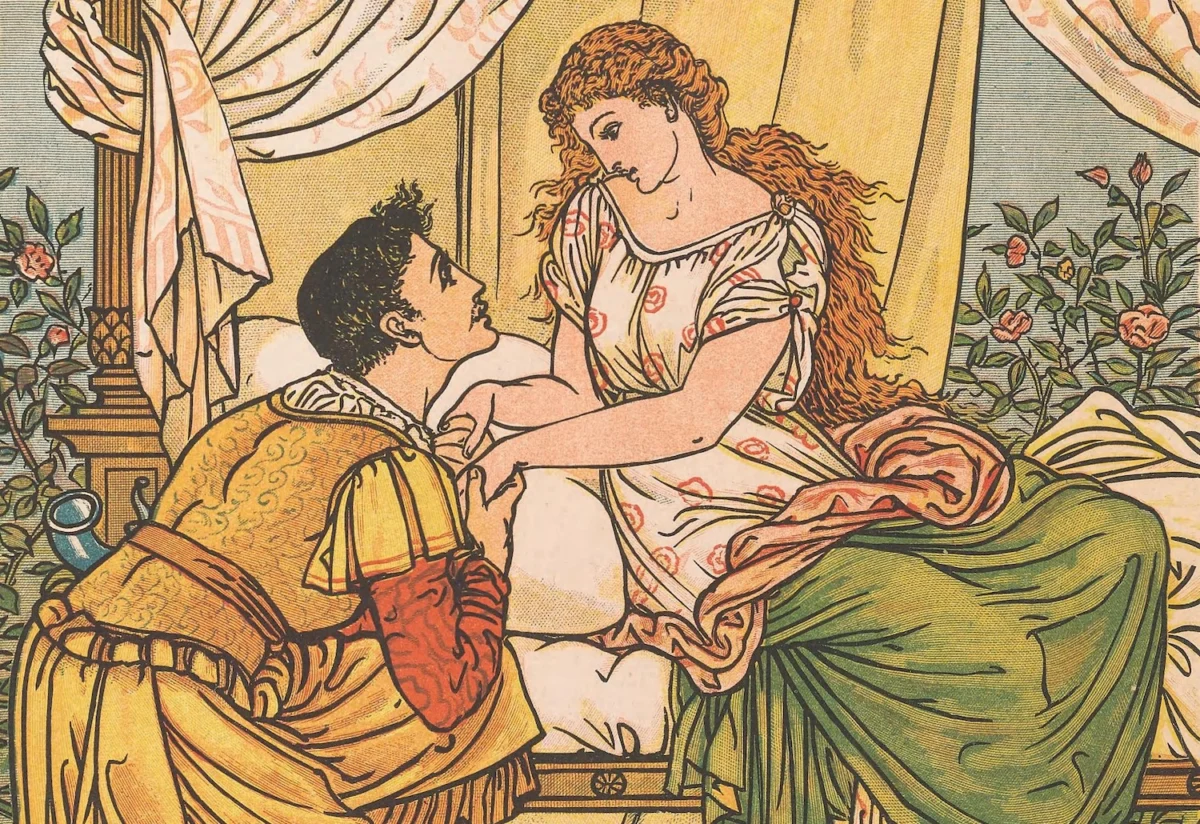
The decision to adapt Sleeping Beauty through a distinct directorial lens reflects Hollywood’s ongoing strategy of reimagining classic animated and literary properties for modern audiences. Disney’s 1959 animated masterpiece Sleeping Beauty remains a cornerstone of cinematic history, celebrated for its striking visual style inspired by medieval art, its Tchaikovsky-derived score, and its groundbreaking depiction of high-stakes fantasy.
Over the past decade, major studios have generated billions of dollars by reinterpreting animated classics through live-action adaptations, fantasy reimaginings, and revisionist character studies. However, audience fatigue surrounding traditional live-action remakes has forced studios to pivot toward riskier, director-driven reinterpretations. By hiring Trachtenberg—a filmmaker celebrated for subverting audience expectations and injecting high-concept genre films with visceral tension and emotional depth—20th Century Studios is signaling a willingness to take creative risks with its foundational intellectual property.
Industry Implications and Strategic Analysis
The pairing of Dan Trachtenberg with a classic fairy-tale property carries notable implications for both the studio and the broader landscape of franchise filmmaking.
From a strategic standpoint, hiring a filmmaker with a strong background in action, suspense, and world-building suggests that this Sleeping Beauty adaptation may lean heavily into genre elements such as dark fantasy, thriller mechanics, or heightened adventure, rather than adhering to a traditional musical or romantic formula. This approach mirrors successful industry trends where established fairy tales are utilized as springboards for gritty, auteur-driven genre exercises.
Moreover, the project highlights 20th Century Studios’ ongoing role within the broader Walt Disney Company ecosystem as a home for edgy, director-driven studio tentpoles. While Disney’s primary banner frequently targets four-quadrant family audiences with direct adaptations, labels like 20th Century Studios provide a vital commercial sandbox for elevated genre storytelling.
As development continues, industry observers will monitor how Trachtenberg translates his knack for taut pacing and atmospheric world-building from the blood-soaked alien jungles of the Predator franchise into the enchanted, perilous kingdoms of classical fantasy. For now, the project remains an intriguing proposition on the horizon of modern studio filmmaking, awaiting finalized scripts and talent acquisitions before it officially steps out of the shadows.