The cinematic landscape of the Marvel Cinematic Universe continues to expand and evolve as phase developments lead audiences toward the highly anticipated release of Avengers: Doomsday, slated for theatrical distribution on December 18. Amid intense speculation regarding plot details, character rosters, and overarching multiversal mechanics, director Joe Russo recently addressed one of the most prominent visual motifs in the film’s promotional campaign: the enigmatic hooded figures designated as Doctor Doom’s Latverian Witches. Speaking in an exclusive interview with Entertainment Weekly, Russo provided critical context regarding these mysterious characters, confirming that their origins and narrative trajectories are deeply anchored in established Marvel Comics lore, albeit with distinct cinematic adaptations designed to enrich the broader narrative framework of the Multiverse Saga.
Background Context and Promotional Campaign
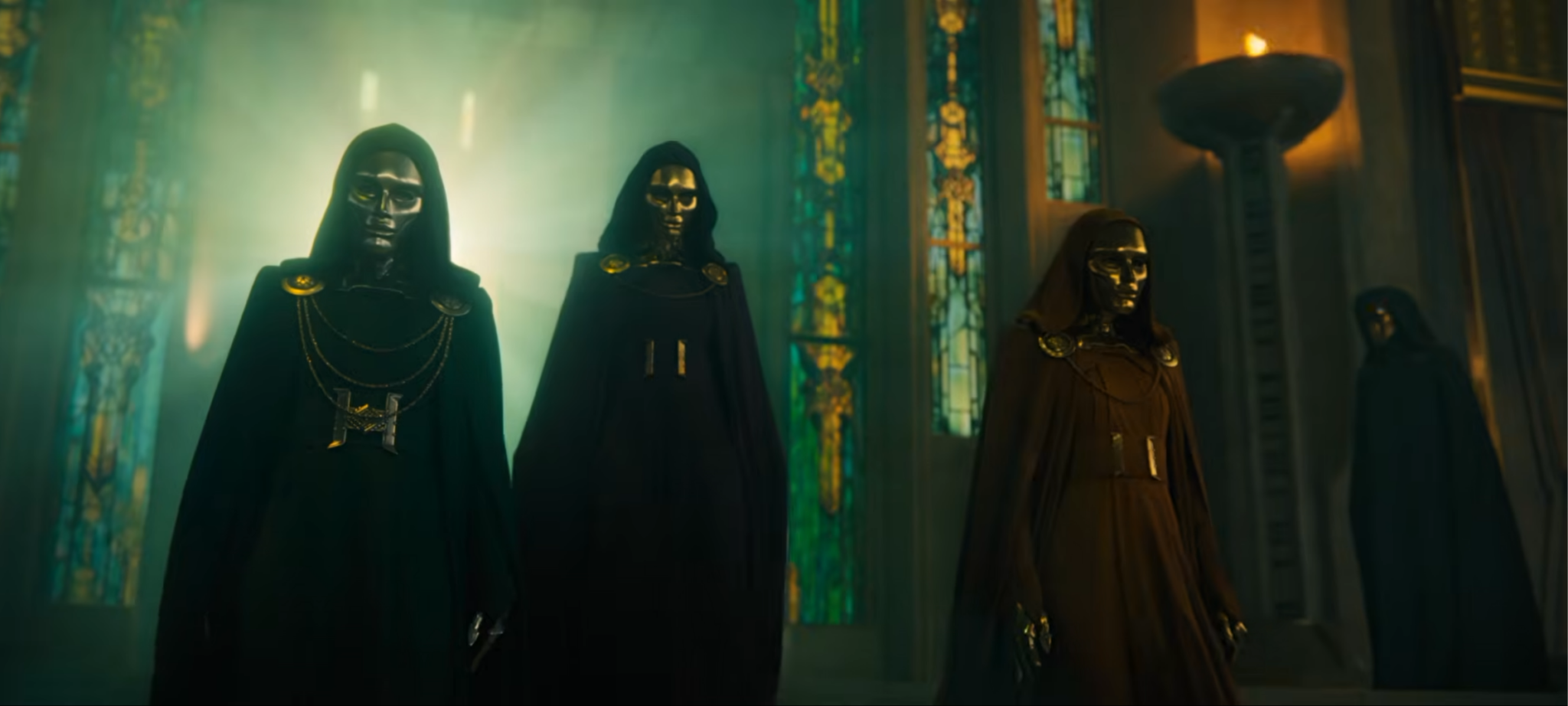
The marketing campaign for Avengers: Doomsday has successfully generated substantial audience engagement and digital discourse, driven largely by cryptic trailers, promotional stills, and teaser imagery. Among the most discussed elements of these promotional materials is a cadre of hooded, robed figures flanking Doctor Doom. Despite their prominent visual placement alongside the primary antagonist, Marvel Studios executives and production personnel have exercised strict confidentiality, withholding explicit details concerning the identities, allegiances, and functional roles of these characters within the film’s narrative.
During his interview with Entertainment Weekly, Joe Russo sought to bridge the gap between audience curiosity and production secrecy. Russo stated that the relationship between Doctor Doom and these dark magical entities serves as a direct geographical and thematic extension of the fictional European nation of Latveria. Furthermore, the filmmaker offered a tantalizing hint regarding their narrative foundation, noting that their history derives directly from published literature while incorporating unexpected narrative twists specifically tailored for the cinematic adaptation.
Literary Origins and Historical Precedents in Marvel Comics
A rigorous examination of Marvel Comics publications reveals a notable nuance: an officially designated group explicitly named the "Latverian Witches" does not historically exist within standard continuity in association with Doctor Doom. Consequently, industry analysts and comic book historians have evaluated several foundational story arcs to decode Joe Russo’s references to the source material.
The first major literary precedent involves the critically acclaimed 1989 graphic novel Doctor Strange and Doctor Doom: Triumph and Torment, written by Roger Stern with art by Mike Mignola. This seminal narrative details Doctor Doom’s harrowing quest to rescue his mother’s soul from the demonic realm of Mephisto, forcing an uneasy alliance with the Sorcerer Supreme. The storyline represents a critical inflection point in the publication history of Victor von Doom, cementing his transition from a purely technological genius into a master of dark and ancient mystical arts. Joe Russo’s commentary regarding Doom turning to forbidden magic following a tragic loss heavily parallels this foundational comic book lore, where the pursuit of magic began as a filial rescue mission rooted in maternal sacrifice.
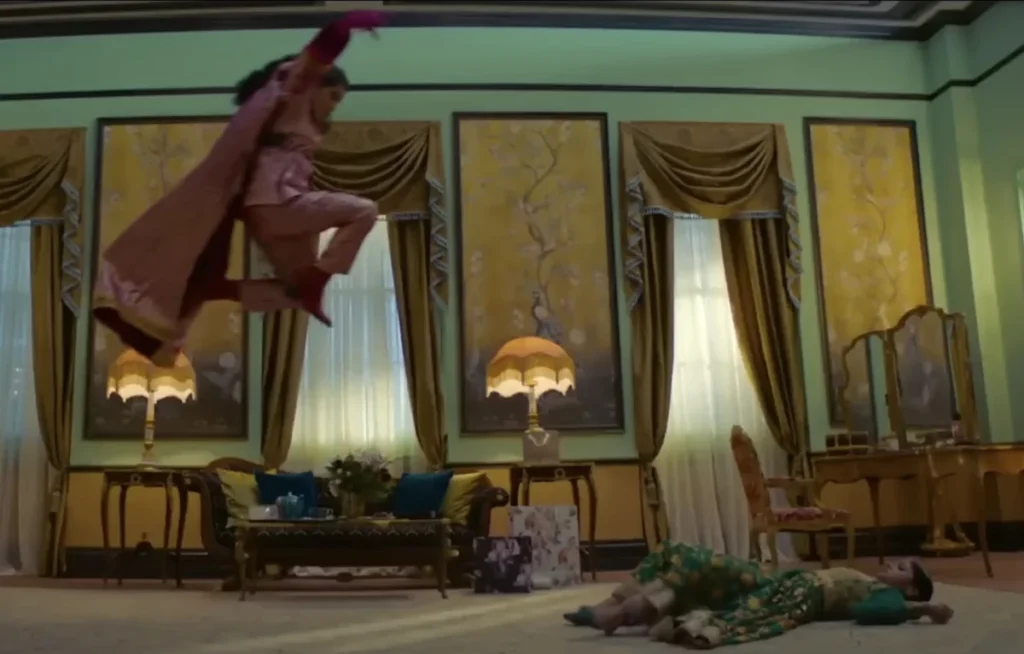
A second prominent narrative thread involves the 2010 crossover event Avengers: The Children’s Crusade, written by Allan Heinberg. This series extensively explored the complex, multifaceted relationship between Wanda Maximoff, the Scarlet Witch, and Doctor Doom. The narrative significance of this connection has intensified following recent developments in the Marvel Cinematic Universe, including post-credits sequences in Disney+ streaming content hinting at Doom’s involvement in the resurrection or manipulation of the Scarlet Witch. Furthermore, careful visual analysis of the promotional material for Avengers: Doomsday highlights distinctive scarlet color palettes among the mysterious robed figures, directly inviting comparisons to the Chaos Magic user.
The Black Swans and Multiversal Incursions
Beyond traditional magical lineages, another compelling narrative parallel exists within Jonathan Hickman’s celebrated New Avengers run and the 2015 Secret Wars event—both of which serve as primary narrative blueprints for the current phase of Avengers films. Within Hickman’s run, the Black Swans operate as powerful, fanatical religious acolytes who serve a mysterious multiversal figure known as Rabum Alal, managing planetary collisions and spatial incursions.
The thematic resonance of the Black Swans aligns closely with the structural demands of Avengers: Doomsday, which deals heavily with the destabilization of reality and the collapse of alternate universes. Given that the overarching twist of Hickman’s comics reveals Rabum Alal to be an alternate incarnation of Doctor Doom himself, the introduction of devoted female acolytes functioning as multiversal attendants provides a logical and aerodynamically sound bridge between comic lore and the unfolding cinematic plot.
Character Theories and Casting Speculation
As speculation regarding the true identities of the hooded figures intensifies, community consensus and insider reports have coalesced around several high-profile possibilities. Assuming that Wanda Maximoff occupies one of these roles—supported by her historical ties to Doom and specific costume design motifs—attention has naturally turned to the remaining identities.
Industry insiders and popular fan theories suggest that the supporting mystical figures could comprise established magical entities from across the broader cinematic landscape. Among the primary candidates is Clea, portrayed by Charlize Theron, who was introduced during the mid-credits scene of Doctor Strange in the Multiverse of Madness. Another frequently cited candidate is Sylvie, the variant of Loki featured prominently in the Disney+ streaming series Loki, whose green thematic elements resonate with traditional Latverian aesthetics.
Simultaneously, major trade publications such as The Hollywood Reporter have reported the secretive casting of acclaimed German actress Sandra Hüller in Avengers: Doomsday, a deduction initially surfaced through stunt choreography documentation. While initial reports speculated that Hüller might portray one of the primary mystical attendants, a more prominent theory suggests she may appear in a cameo capacity as Cynthia von Doom, the mother of Victor von Doom whose tragic demise catalyzed his descent into the occult. Furthermore, marketing materials have occasionally teased a fourth hooded figure, fueling unverified rumors regarding cinematic adaptations of Boris, Doom’s loyal childhood guardian and royal assistant.
Analytical Implications and Future Outlook
The strategic obfuscation surrounding Doctor Doom’s Latverian Witches highlights Marvel Studios’ ongoing commitment to cultivating deep engagement through mystery and cross-media literacy. By tethering cinematic characters to multi-decade comic book runs, the production team successfully incentivizes archival reading habits among viewers while maintaining enough narrative flexibility to surprise even the most dedicated fans.
The structural integration of ancient magic, multiversal incursions, and complex geopolitical entities like Latveria underscores the elevated narrative stakes of Avengers: Doomsday. As the global entertainment industry prepares for the film’s official theatrical premiere on December 18, the true nature, allegiance, and ultimate cinematic purpose of the Latverian Witches remain among the most closely guarded secrets in modern franchise filmmaking. Until the feature presentation arrives in theaters, audiences and analysts alike will continue to mine decades of publication history to anticipate the twists engineered by the Russo brothers and the creative teams at Marvel Studios.