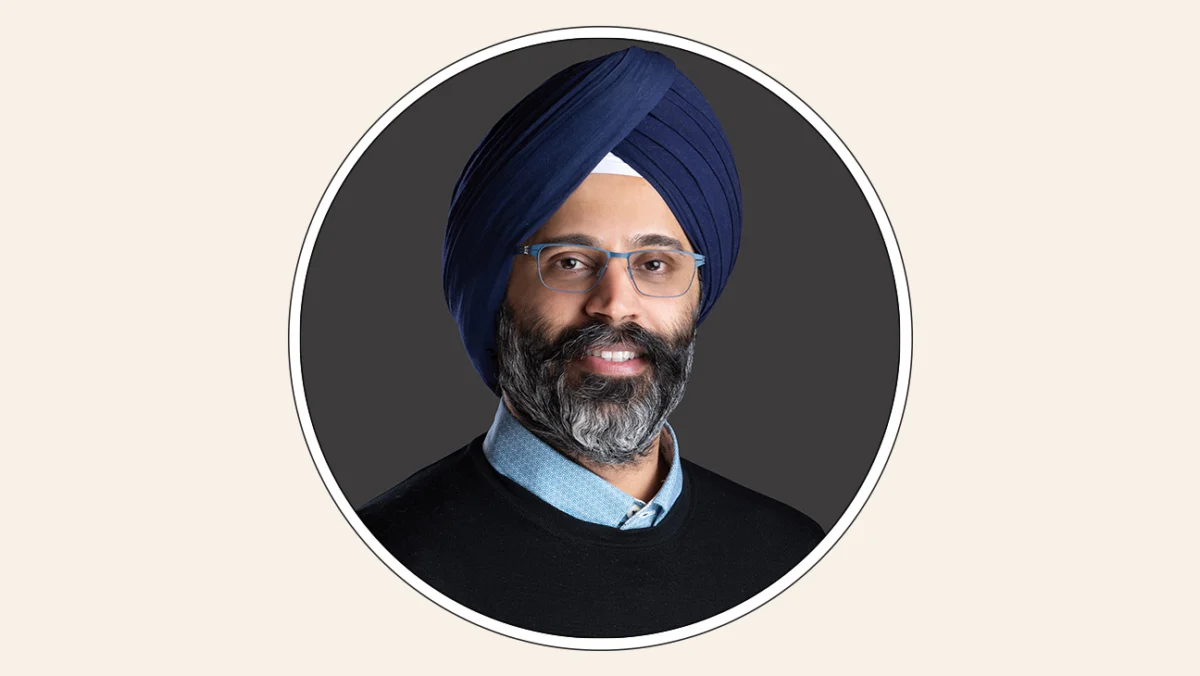
The Walt Disney Company has officially appointed Karandeep Anand as its inaugural Chief Technology Officer (CTO), marking a significant shift in the entertainment giant’s operational strategy as it seeks to harmonize its storied creative legacy with the rapidly evolving landscape of generative artificial intelligence. Anand, a seasoned technology executive who previously served as the CEO of Character.AI and held prominent leadership roles at Meta and Microsoft, will assume the role of Senior Executive Vice President. Reporting directly to Josh D’Amaro, Chairman of Disney Experiences, Anand is tasked with overseeing the company’s enterprise technology infrastructure, data and AI platforms, and the unified engineering efforts across Disney’s diverse business segments.
This strategic hire signifies more than a mere addition to the executive suite; it serves as a foundational step in Disney’s ongoing efforts to centralize its digital identity. The appointment, which includes the transition of several technical staff members from Character.AI to Disney effective October 2, signals an aggressive pivot toward embedding AI-driven solutions into the heart of the company’s consumer-facing products.
A Career Built at the Intersection of Scale and Innovation
Anand’s professional trajectory provides a clear rationale for his appointment at this juncture. His tenure at Microsoft, which spanned 15 years, saw him contribute directly to the development of the Azure platform—the cloud backbone that currently powers much of the global AI revolution. This experience in infrastructure scaling is considered critical for Disney, a company that manages massive, high-traffic digital environments across its parks, cruise lines, and streaming platforms.
Following his Microsoft tenure, Anand spent time at Meta, where he focused on the scaling of Facebook’s platform, and later at the financial technology firm Brex. His most recent role as CEO of Character.AI, a platform known for its sophisticated large language model (LLM) applications, highlights his deep-seated expertise in generative AI. By bringing Anand on board, Disney is effectively acquiring a bridge between legacy enterprise architecture and the frontier of machine learning.
The Strategic Shift: Integrating Technology and Storytelling
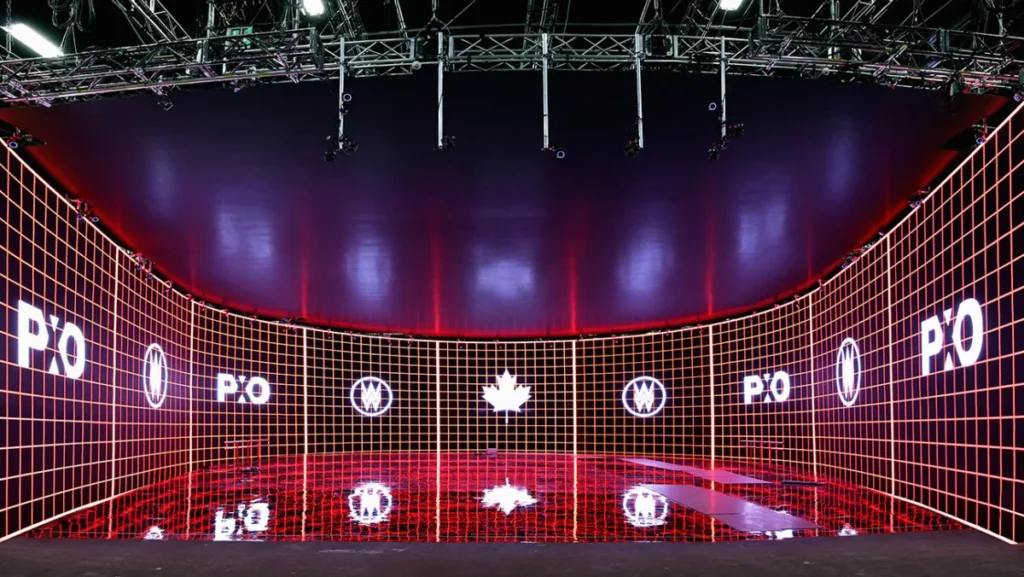
For decades, Disney has utilized technology as a silent partner to its creative output—from the early days of multi-plane cameras to the modern implementation of the Volume (the LED stage technology used in The Mandalorian). However, the creation of a CTO role suggests a formalization of this relationship.
Josh D’Amaro, in a formal statement regarding the appointment, articulated the internal philosophy driving this decision: “Karandeep brings a rare mix of experience across infrastructure, consumer technology and AI, and will be a vital addition to Disney’s senior leadership team as we further our three priorities: great storytelling as our North Star, technology in service of creativity, and operating as One Disney.”
D’Amaro’s reference to "One Disney" is particularly illustrative of the company’s current operational goal. Historically, Disney’s business units—Studio Entertainment, Disney Experiences (Parks, Experiences, and Products), and Direct-to-Consumer—have operated with a degree of silos. The mandate for the new CTO is to break down these barriers, creating a unified data environment that allows Disney to understand its audience holistically, whether that fan is browsing a Disney+ title or navigating a theme park in Orlando.
Chronology of Digital Transformation at Disney
The appointment of a CTO follows a multi-year period of digital restructuring and investment:
- 2019: The launch of Disney+, which fundamentally shifted the company’s focus toward a direct-to-consumer model and highlighted the urgent need for a robust, scalable digital infrastructure.
- 2020–2022: Under the leadership of Bob Chapek and subsequent re-shuffling under Bob Iger, Disney began to experiment with the integration of its parks and streaming data to create personalized guest experiences.
- 2023: Disney established a dedicated task force to study artificial intelligence and its potential applications in cost-saving, content creation, and personalized marketing.
- 2024: The formal creation of the CTO position, signaling that the experimental phase of AI integration has concluded, moving into a phase of enterprise-wide deployment.
Market Context and the Generative AI Era
The entertainment industry is currently grappling with a dual-edged sword: the potential for AI to drastically reduce production costs and the existential threat it poses to creative labor. Disney’s decision to hire an executive with a background in LLMs suggests that the company is moving toward an internal "AI-first" strategy.
Data from the broader technology sector suggests that companies integrating AI into their core operations are seeing significant improvements in operational efficiency. According to recent industry reports, the global media and entertainment AI market is projected to reach approximately $15 billion by 2028, growing at a compound annual growth rate (CAGR) of over 25%. By appointing Anand, Disney is positioning itself to capture this value while maintaining the high production standards that define its brand.
Furthermore, the migration of Character.AI technical talent to Disney provides a shortcut to internalizing capabilities that would otherwise take years to develop through traditional hiring or third-party partnerships. This "acqui-hire" strategy—where key talent is absorbed into the existing infrastructure—is a hallmark of modern corporate tech integration.
Official Statements and Future Outlook
In his own statement, Anand expressed a clear understanding of the cultural gravity of the company he is joining. “I’ve admired Disney my entire life for how it blends unforgettable storytelling with the latest technology to constantly push the boundaries of what entertainment can be,” Anand noted. “I’m honored to join a team with such extraordinary creative talent, and I look forward to building on the company’s impressive technology capabilities to help Disney connect fans worldwide with its beloved stories and characters in new and innovative ways.”
The implications for the consumer are likely to manifest in the coming years through more seamless cross-platform experiences. For instance, the convergence of data from Disney+ with park-visit behaviors could lead to hyper-personalized loyalty programs or interactive content that adjusts based on real-time fan engagement.
Fact-Based Analysis of Implications
The success of this appointment will be measured by how effectively Anand can manage the tension between technological automation and human-centric storytelling. Disney’s brand equity is built on the "magic" of its narratives; therefore, any implementation of AI must be transparent and additive rather than reductive.
- Infrastructure Optimization: As a veteran of Azure, Anand is uniquely qualified to optimize Disney’s cloud spending, which has ballooned as Disney+ has expanded its global footprint.
- AI Governance: As one of the world’s largest intellectual property holders, Disney faces significant legal and ethical challenges regarding copyright and generative AI. Anand will likely play a key role in developing a proprietary AI framework that respects intellectual property while leveraging the efficiencies of machine learning.
- Cross-Platform Synergy: The "One Disney" initiative relies heavily on data interoperability. If Anand succeeds, Disney will finally possess a single view of the customer, allowing for a frictionless transition between a digital movie experience and a physical park experience.
In summary, the hiring of Karandeep Anand represents a milestone in the evolution of the modern entertainment conglomerate. By elevating the role of CTO to the senior executive level, Disney is signaling that it no longer views technology as a support function, but as a primary driver of its future creative and commercial success. As the industry enters a period of unprecedented disruption, the ability to balance the technical precision of a Silicon Valley veteran with the imaginative requirements of a global entertainment giant will be the defining challenge of Anand’s tenure. The company’s ability to execute this transition will likely determine its competitive standing in the digital entertainment landscape for the next decade.