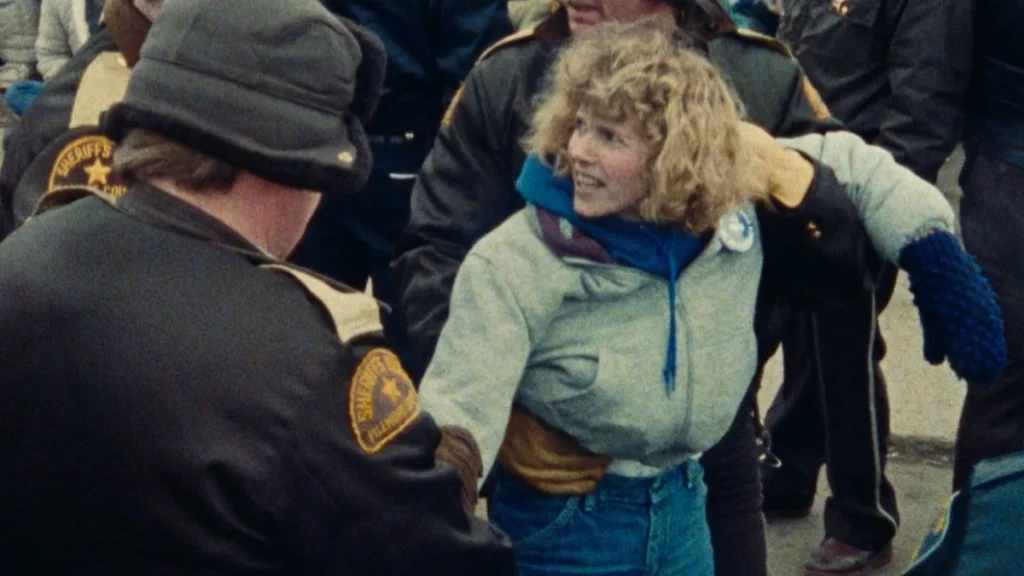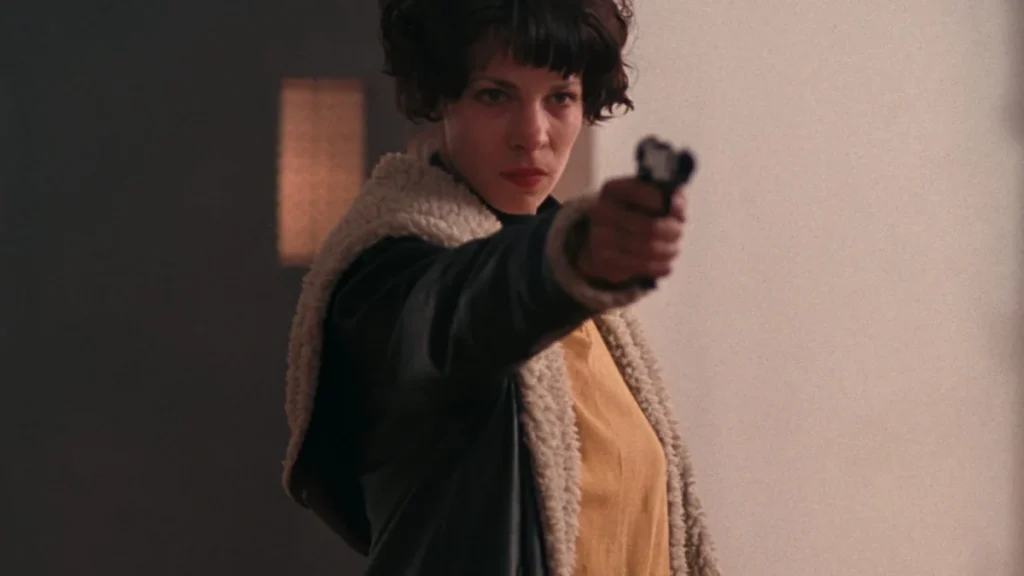
Multidisciplinary Beirut-based artist Lana Daher has made her directorial debut with Do You Love Me (2026), a visceral, 76-minute cinematic portrait that stitches together seven decades of Lebanon’s cultural memory. Premiering internationally at Venice Days before making its way to New York’s Metrograph—where its theatrical run is accompanied by the retrospective series Jocelyne Saab: Letters from Lebanon—the film constructs a kaleidoscopic view of a nation grappling with persistent conflict, cyclical trauma, and profound internal contradictions. Rather than relying on a traditional linear narrative, a single central narrator, or formal voiceover exposition, Daher employs an immersive collage of independent cinema excerpts, newsreels, home movies, podcasts, radio broadcasts, and abandoned archives. The resulting work challenges audiences to navigate an emotional and sensory landscape where the boundaries between staged fiction and historical reality deliberately blur.
Main Facts and Archival Scope
The origins of Do You Love Me trace back to 2018, when Daher initially set out to investigate the intersection of music and armed conflict, specifically focusing on the popular Lebanese band the Bendaly Family—whose music provides the thematic inspiration for the film’s title. As the research expanded, however, the project evolved from an academic inquiry into a deeply personal cinematic love letter to Beirut.

Because Lebanon lacks both a unified national archive and a standardized, universally accepted history textbook, gathering source material was an arduous process akin to archaeological excavation. Daher spent nearly five years combing through disparate collections, unearthing more than 20,000 audiovisual fragments distributed across numerous hard drives. Approximately half of the footage utilized in the final cut originates from independent Lebanese cinema, drawing from roughly 106 fiction and documentary feature films produced between 1958 and the present day. The archival spectrum spans from a rare home video dating back to 1928 up to contemporary digital media.
Ultimately, only about seven percent of the researched material made it into the final 76-minute runtime, a curation process that required clearing nearly 400 distinct rights contracts. Throughout this journey, Daher worked independently for years before partnering with Paris-based Syrian editor Qutaiba Barhamji—celebrated for his work on Kaouther Ben Hania’s Four Daughters (2023) and The Voice of Hind Rajab (2025). Together, they refined the project down to its emotional core, establishing strict editorial parameters: no complete scenes lifted directly from existing films, and the total exclusion of Lebanese politicians from both the visual frame and the sound design.
Chronology of Context: A History of Conflict and Displacement
To understand the structural philosophy of Do You Love Me, one must examine the turbulent timeline of modern Lebanon, a nation shaped by successive waves of geopolitical instability, foreign military intervention, and internal fragmentation.

The historical timeline embedded within Daher’s archival selections reflects more than half a century of recurring devastation:
- 1928: The earliest known home video fragment included in the film’s mosaic captures a fragment of Lebanese domestic life nearly a century ago, providing a stark contrast to the modern era of constant crisis.
- 1958–1974: The flourishing era of early independent Lebanese cinema and relative cultural prosperity, segments of which Daher utilizes to highlight pre-war societal rhythms.
- 1975: The outbreak of the 15-year Lebanese Civil War, documented by pioneering journalists and filmmakers such as Jocelyne Saab, whose seminal work Lebanon in Turmoil captures the immediate destruction of historical urban fabric.
- 1978: Israel’s first major military invasion of southern Lebanon, marking the beginning of decades of intermittent military incursions and occupations that predated the founding of Hezbollah.
- 2006–2008: Modern cinematic touchstones are established, including excerpts from fiction films like Jocelyne Saab’s collaborations and works such as the Beirut-set I Want to See (2008), featuring Catherine Deneuve observing the transformation of urban apartment blocks into war monuments.
- 2018–2026: Daher initiates her archival research project, culminating in the 2026 premiere of Do You Love Me amid ongoing regional hostilities that continually collapse the distance between historical archive and contemporary survival.
Supporting Data and Production Methodology
The logistical complexity of constructing a national memory project without institutional backing underscores the unique challenges faced by contemporary Lebanese creators. The following data highlights the scale of production for Do You Love Me:
- Runtime: 76 minutes.
- Timeframe of Source Material: 1928 to the present day (with a heavy concentration on cinematic works from 1958 onward).
- Source Pool: Over 20,000 individual audiovisual fragments stored across multiple hard drives.
- Film References: Approximately 106 independent Lebanese fiction and documentary features incorporated into the montage.
- Rights Management: Nearly 400 separate legal rights contracts successfully cleared for archival usage.
- Final Inclusion Rate: Roughly 7 percent of all researched material made the final cut.
Daher’s decision to enlist Qutaiba Barhamji as co-writer and editor was instrumental in shaping the film’s universality. By intentionally selecting an editor who was not Lebanese and therefore unburdened by the specific generational trauma tied to the source imagery, the creative duo could evaluate every fragment based on its emotional resonance rather than its strict historical or political contextualization.
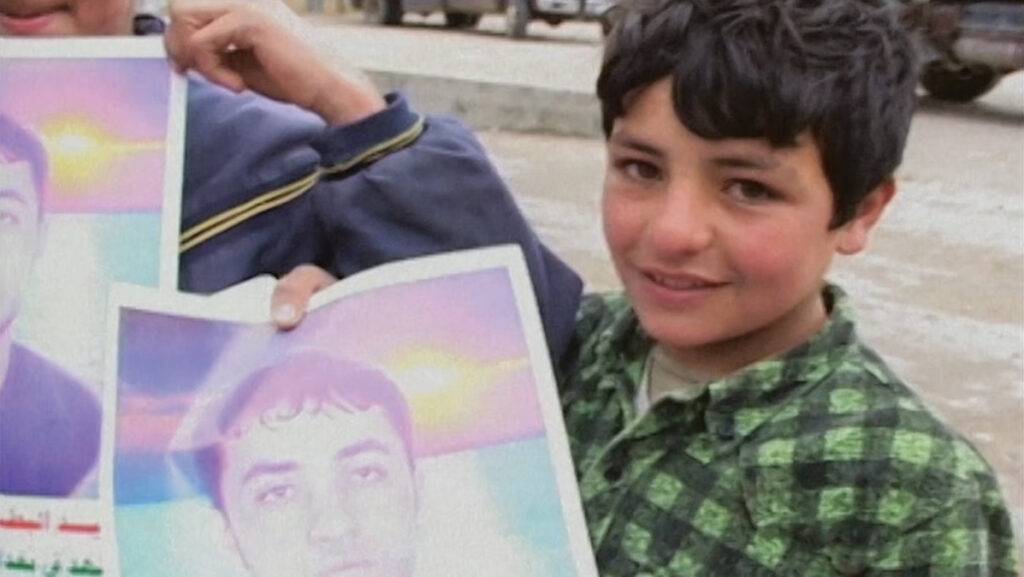
Broader Impact and Implications
Do You Love Me arrives at a critical juncture in contemporary Middle Eastern cinema and politics. As Lebanon faces severe economic collapse, political gridlock, and ongoing military devastation in its southern regions, the film offers an alternative mode of historical accounting.
During screenings of the film—including its emotional Lebanese premiere in Beirut—audiences have frequently noted how contemporary realities mirror the archival past. In some instances, the sound of active Israeli drones outside screening venues has blended seamlessly with the film’s sound design, illustrating how the boundary between historical documentation and living trauma remains terrifyingly porous in Beirut.
Daher has explicitly rejected simplistic geopolitical framings that reduce current hostilities to a localized confrontation, emphasizing instead that the foundational roots of Lebanon’s suffering extend across decades of regional intervention, internal political confessionalism, and systemic institutional erasure. Many Lebanese families, including Daher’s own, lost their personal archives through successive waves of migration and wartime destruction. Consequently, Do You Love Me functions as a surrogate national archive—not by offering an official, state-sanctioned chronology, but by preserving the uncodified human experiences, humor, tenderness, and everyday resilience of a people subjected to permanent crisis.
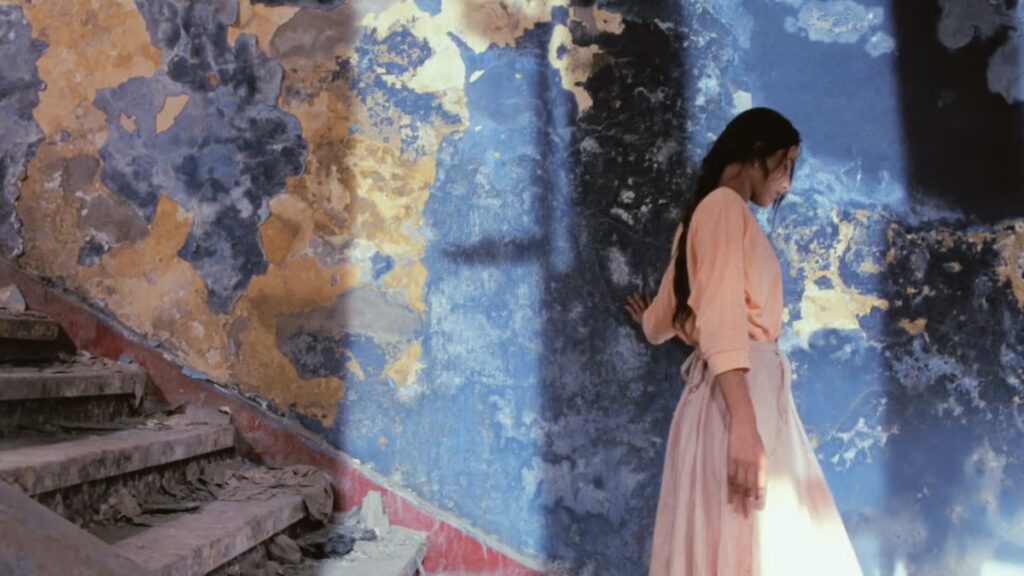
By centering the female perspective—honoring the women who historically acted as literal witnesses to time by preserving family photographs, home videos, and personal collections when institutional frameworks failed—Do You Love Me establishes a vital space for collective mourning and endurance. As international audiences and critics continue to engage with the film through its theatrical releases, the work stands as a testament to the enduring power of art to reclaim cultural memory from the ashes of erasure.