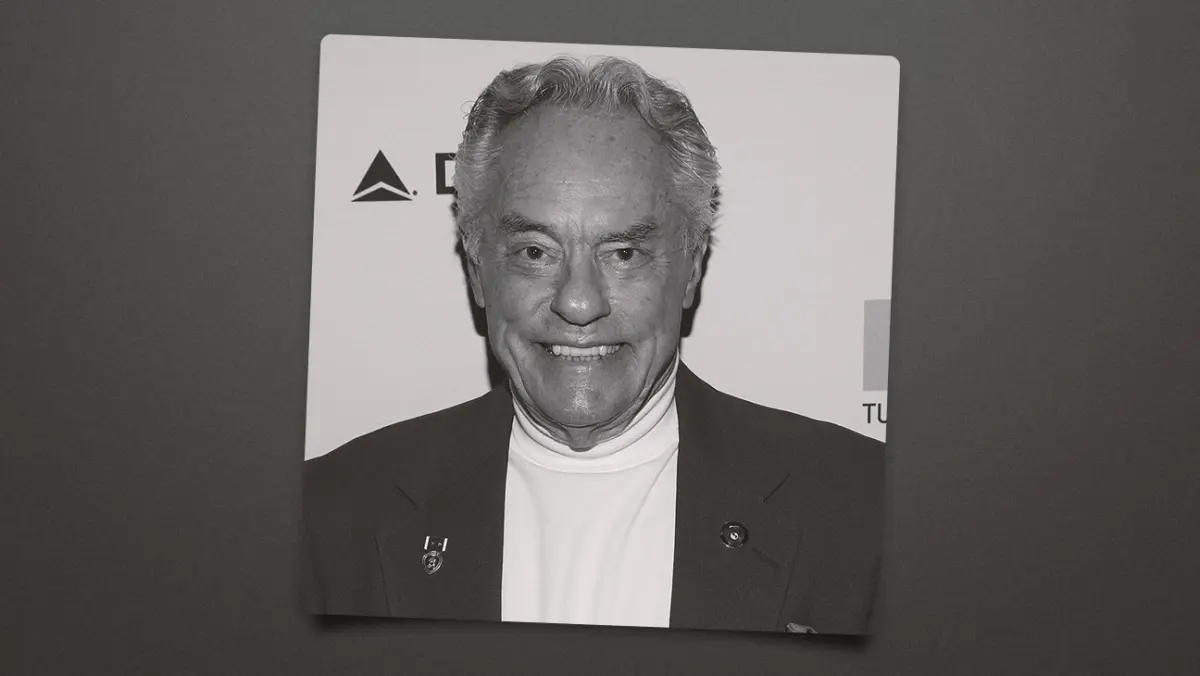
The death of the former child actor and career military officer was confirmed by film historian Tom Weaver. Mr. Dunagan, whose life bridged the disparate worlds of Golden Age Hollywood and the brutal frontlines of Vietnam, died Wednesday following a battle with lung cancer. His passing marks the end of an extraordinary, bifurcated life—one that began under the bright lights of Burbank and concluded with a quarter-century of distinguished military service.
From Child Star to Disney Legend
Born Donald Roan Dunagan in San Antonio on August 16, 1934, his trajectory toward fame began with a serendipitous tap-dance performance in Memphis at age three. That local talent contest, which yielded a $100 prize, served as the catalyst for his professional career. An RKO talent scout in the audience recognized the boy’s natural charisma, prompting the Dunagan family to relocate to Los Angeles.
Dunagan’s cinematic debut arrived in 1938 with Mother Carey’s Chickens. He quickly established himself as a sought-after young talent, appearing alongside legends such as Boris Karloff and Basil Rathbone in the 1939 Universal horror staples Son of Frankenstein and Tower of London. His interaction with Karloff remains a piece of Hollywood folklore; the young actor famously played checkers with the iconic monster actor while Karloff was fully costumed, even claiming to have bested the horror legend in a wager.
However, his most enduring contribution to American culture occurred when Walt Disney personally initiated contact with the Dunagan household. Disney sought a specific, vulnerable vocal quality for his upcoming animated project, Bambi. Dunagan spent over a year working on the film, a period he later characterized as one of the most formative experiences of his youth. The studio’s effort to capture the innocence and terror of a young fawn required immense emotional labor. In a 2011 reflection, Dunagan recounted how a studio coach helped him channel genuine fear by asking him to imagine the terror of losing his own mother, an exercise that provided the raw, resonant performance that defined the film’s most heart-wrenching sequences.
A Career of Military Distinction
Following his work on Bambi, Dunagan’s life took a drastic turn. After his parents divorced and his time in the boarding school system, he enlisted in the United States Marine Corps in 1952 at the age of 18. This transition was absolute; for the next 25 years, the man who had brought a cartoon fawn to life existed as a professional soldier.

His military career was defined by bravery and rapid ascent. He became one of the youngest drill instructors in the history of the Marine Corps, eventually serving as a counterintelligence officer and a Force Recon Commander. His service record includes three tours of duty in Vietnam. Dunagan’s valor was recognized with three Purple Hearts, a Bronze Star, an Army Commendation Medal, and multiple Navy and Marine Corps commendations.
For decades, Dunagan maintained a strict separation between his two lives. He cited a personal distaste for showmanship and a desire to avoid being defined by his childhood work as the reasons he remained silent about his Hollywood past. The moniker "Major Bambi" was a prospect he actively avoided, fearing it would undermine his professional credibility among his peers in the Corps.
Historical and Cultural Context
The production of Bambi remains a significant case study in the history of animation. Released in 1942, the film was delayed by the geopolitical fallout of the attack on Pearl Harbor and the subsequent shifts in studio resources. Furthermore, the film faced an unexpected backlash; hunters and rural organizations of the era criticized the studio, claiming that the film’s depiction of the death of Bambi’s mother was traumatic and unfairly vilified the hunting community.
From a technical standpoint, the film represented a high-water mark for the Disney studio’s attention to detail. Walt Disney’s decision to remove the on-camera death of the mother—opting instead to imply the tragedy—is now regarded as a masterclass in narrative restraint. Dunagan’s performance, characterized by his specific vocal inflections, was essential to the film’s success, grounding the animation in a recognizable, human sense of loss.
Legacy and Later Life
It was not until his later years that Dunagan fully embraced his status as a cinematic icon. After retiring from the military in 1977, he transitioned into the corporate sector, serving as an executive for financial companies and as the CEO of the Pace Corp. in Los Angeles.
The revelation of his identity as the voice of Bambi occurred late in his life, initiated by the Disney company’s interest in documenting the history of the film for DVD releases. Upon being rediscovered, Dunagan embraced the role of an ambassador for the studio. He became a regular fixture at film conventions and festivals, finding a renewed sense of purpose in the way his voice continued to resonate with new generations.

"I could be working in the White House and children could care less," Dunagan noted in an interview regarding his later-life fame. "But let someone say, ‘That dude over there was the face or voice of Bambi,’ and I am an immediate adopted grandfather to them. That is just an unmatchable joy and a real responsibility."
Analytical Overview: A Life of Two Halves
The life of Donnie Dunagan serves as a rare study in the duality of American mid-century experience. His transition from the surreal, artificial environment of a 1930s movie set to the rigid, life-or-death realities of Southeast Asian combat represents a radical shift in perspective.
His decision to keep his Hollywood career a secret for 25 years offers insight into the culture of the military in the mid-20th century. By prioritizing his role as a Marine over his role as a performer, Dunagan navigated a path that allowed him to build a legacy of service that eclipsed his fame as a child actor. His later willingness to return to the public eye suggests a reconciliation with his past, allowing him to see the joy his performance provided to millions while maintaining the dignity of his military service.
He is survived by his wife, Dana, whom he married in 1992. As news of his passing spreads, the film community and the military veterans’ organizations he was involved with have begun to acknowledge his dual legacy. Historians note that his life provides a vital link between the infancy of the American animation industry and the geopolitical realities of the Cold War era.
Donnie Dunagan’s contribution to the cultural fabric of the 20th century remains singular. While millions know the voice of the deer that changed the landscape of animated storytelling, fewer knew the man behind the performance—a decorated officer who preferred the quiet discipline of the barracks to the accolades of the red carpet. His death closes a chapter on one of the most fascinating life stories in modern American history, ensuring that while the voice of Bambi remains eternal, the man who provided it is finally at rest.