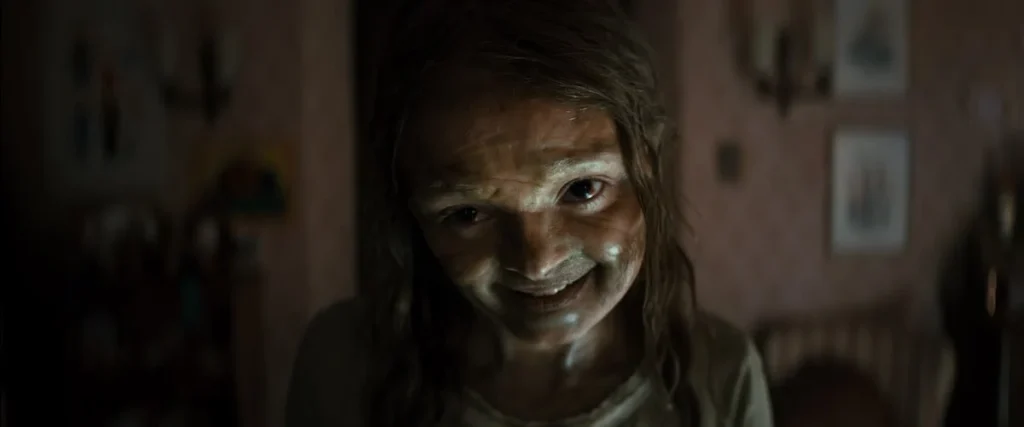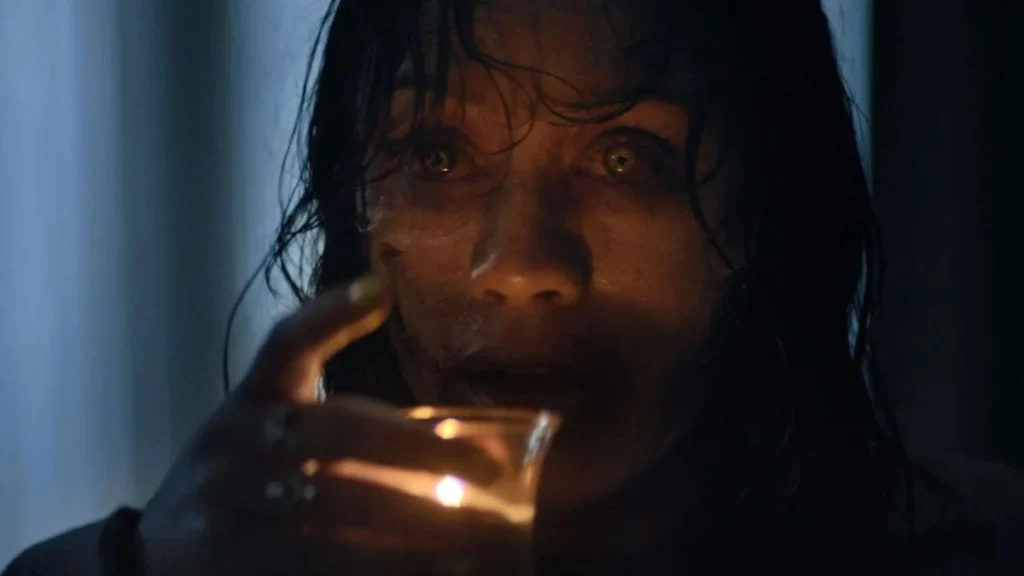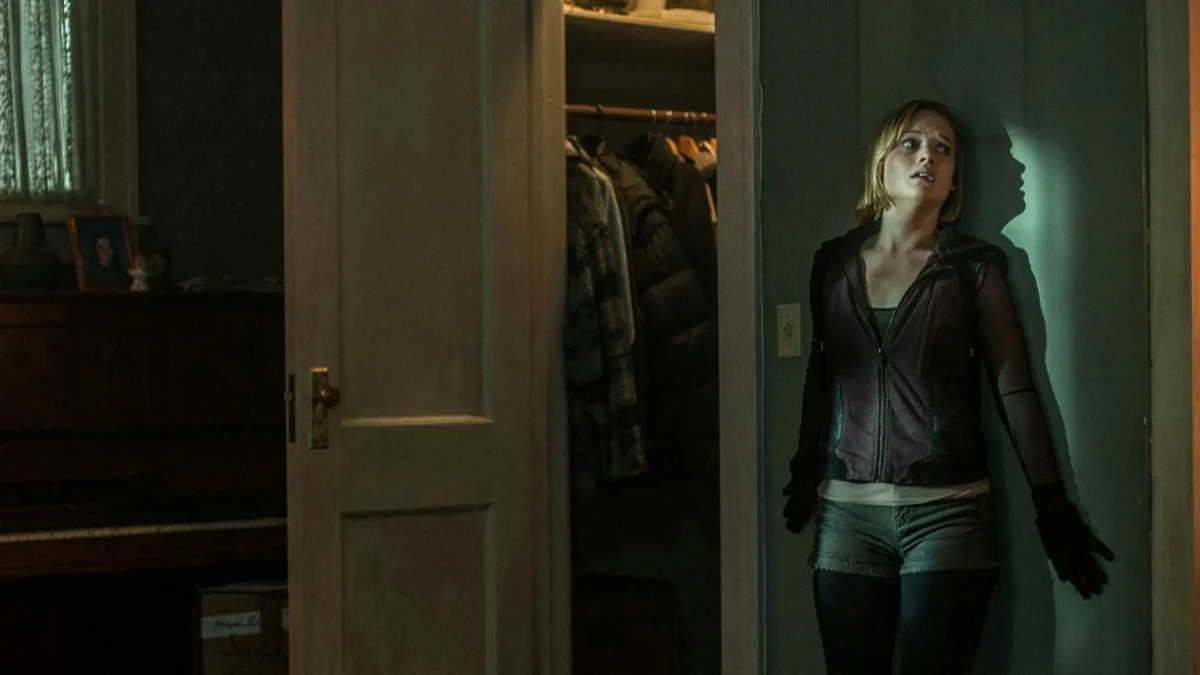
The announcement featured a high-profile Q&A session involving the film’s core creative team, including Álvarez, co-writer Rodo Sayagues, and stars Jane Levy, Stephen Lang, and Dylan Minnette. This reunion marks a significant milestone for the franchise, which has remained dormant regarding the character of Rocky since the conclusion of the first film, while the 2021 sequel, Don’t Breathe 2, focused exclusively on the further exploits of Norman Nordstrom, the Blind Man.
A Decade of Tension: The Evolution of the Franchise
The Don’t Breathe franchise established itself as a cornerstone of modern contained-thriller cinema. Upon its release on August 26, 2016, the original film defied conventional box office expectations for the late-summer period. Produced on a modest budget of approximately $10 million, the film grossed over $157 million worldwide, cementing the reputation of Fede Álvarez and Rodo Sayagues as masters of suspense.
The narrative of the first film focused on three small-time criminals—Rocky (Jane Levy), Alex (Dylan Minnette), and Money (Daniel Zovatto)—who infiltrate the home of a blind Gulf War veteran, Norman Nordstrom (Stephen Lang), in a dilapidated Detroit neighborhood. The premise, which subverted the "home invasion" subgenre by placing the intruders in a position of vulnerability, became a critical and commercial success.

The trajectory of the series shifted with the 2021 sequel, which saw Rodo Sayagues take over directorial duties. Don’t Breathe 2 explored the Blind Man’s past in a more nuanced, albeit controversial, light, positioning him as a reluctant protector of a young girl. The absence of Jane Levy’s character, Rocky, in the second film left a lingering narrative void that audiences and critics frequently noted. By reintegrating Levy into the third chapter, the production team appears to be aiming for a direct confrontation or resolution to the unresolved tensions left behind in the 2016 original.
Chronology of Production and Creative Continuity
The creative partnership between Fede Álvarez and Jane Levy dates back to the 2013 Evil Dead remake, a film that served as a breakout moment for both. Levy’s performance as Mia, a character battling both addiction and demonic forces, set a high bar for her future collaborations with Álvarez.
- 2013: Evil Dead is released, establishing the professional synergy between Álvarez and Levy.
- 2016: Don’t Breathe premieres to critical acclaim, grossing over 15 times its production budget.
- 2016 (Post-Release): Discussions regarding an alternate ending emerge, hinting at the possibility of the Blind Man pursuing his antagonists beyond the Detroit home.
- 2021: Don’t Breathe 2 is released, focusing on the Blind Man’s life years after the initial intrusion.
- 2026 (September): The tenth-anniversary celebration at Beyond Fest serves as the official announcement platform for Don’t Breathe 3.
The decision to bring back the original lead suggests that the script for the third film intends to address the "unfinished business" alluded to at the conclusion of the 2016 film. In the final moments of the first movie, Rocky successfully flees to California with her sister, but a television report confirms that the Blind Man is still alive, having withheld the truth about the robbery and the deaths of his intruders from the police. This narrative thread has remained open for a decade, providing a logical entry point for a direct sequel.
Supporting Data and Industry Context
The commercial viability of the Don’t Breathe series remains high. The transition from a low-budget indie thriller to a franchise property highlights the industry’s ongoing interest in high-concept, single-location horror.

In terms of financial performance, the original film remains one of the most profitable horror entries of the 2010s. Its success demonstrated that audiences were willing to engage with morally ambiguous protagonists and intense, claustrophobic environments. The return of Stephen Lang is particularly significant, as his portrayal of the Blind Man has become an iconic figure in contemporary horror, ranking alongside other genre antagonists for his physical presence and calculated menace.
Furthermore, the involvement of major studios in the development process reflects a broader trend of reviving successful intellectual properties that possess strong brand recognition. With the horror market currently experiencing a renaissance of "elevated" or high-tension survival films, the return of this specific creative team is positioned to capitalize on the nostalgia for the 2016 original while introducing new stakes for the characters.
The Jane Levy Renaissance
The announcement of Don’t Breathe 3 arrives at a pivotal time in Jane Levy’s career. Beyond her return to this franchise, there has been significant industry buzz regarding her potential return to the Evil Dead universe, specifically regarding the rumored Evil Dead Wrath.
Levy’s upcoming schedule also includes the release of the slasher film River, directed by Joshua Giuliano. Following a successful premiere at the Toronto International Film Festival (TIFF), the film was acquired by Universal Pictures and Blumhouse, with a theatrical release slated for January 15, 2027. This indicates that Levy is currently a major focus for high-profile horror productions, further validating the studio’s decision to center Don’t Breathe 3 around her return.

Broader Implications and Strategic Positioning
From a production standpoint, the announcement of Don’t Breathe 3 at a fan-centric event like Beyond Fest serves a dual purpose. It satisfies the core fanbase while generating immediate social media momentum. By utilizing the Aero Theatre platform, the filmmakers signaled that they view the third installment as a prestige entry within their collective filmography, rather than a mere cash-grab sequel.
The return of Fede Álvarez as both writer and, by implication, the guiding force of the project, ensures that the third film will maintain the stylistic hallmarks of the original: tight, minimalist storytelling, extreme tension, and a focus on the physical toll of survival.
The implications for the horror genre are clear: franchises that allow for extended gaps between installments—provided the original creative team returns—often see increased audience interest. By waiting ten years to revisit the conflict between Rocky and the Blind Man, the production team has allowed the characters to age and the tension to simmer, potentially leading to a more mature and darker exploration of their shared trauma.
As the project moves from the scripting phase to pre-production, industry analysts will be monitoring whether the film will attempt to modernize the series or stick to the "trapped in a room" formula that made the first film a global phenomenon. Regardless of the tactical shifts in the narrative, the reunion of Álvarez, Levy, and Lang represents one of the most anticipated horror collaborations of the coming production cycle. The film is expected to serve as a definitive conclusion to the saga, finally settling the debts incurred on that fateful night in Detroit.