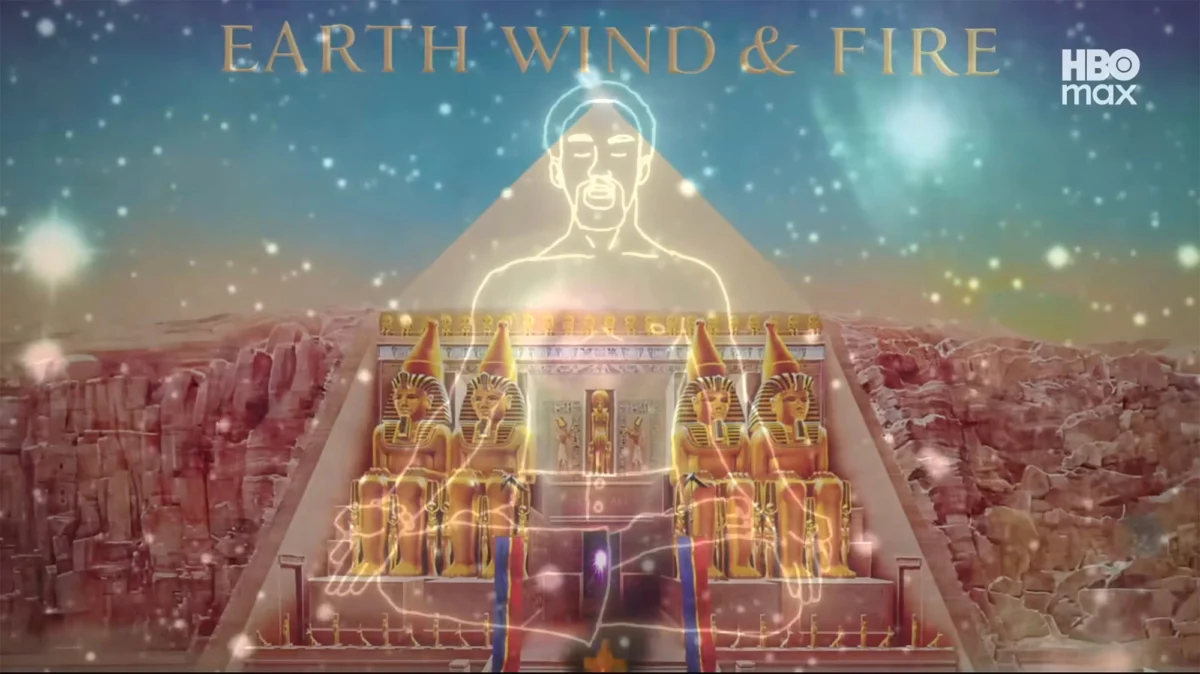
HBO Max has officially unveiled the trailer for the highly anticipated music documentary Earth, Wind & Fire: To Be Celestial vs. That’s the Weight of the World, the latest directorial effort from Academy Award-winning filmmaker and musician Ahmir "Questlove" Thompson. Scheduled for a streaming debut on June 7, 2026, the film serves as a comprehensive exploration of the legendary band Earth, Wind & Fire, tracing their trajectory from a fledgling jazz-fusion ensemble to a global cultural phenomenon. The project arrives following Questlove’s previous successes in the documentary space, notably the critically acclaimed Summer of Soul (…Or, When the Revolution Could Not Be Televised) and his more recent exploration of Sly Stone in Sly Lives! (aka the Burden of Black Genius). This latest feature aims to provide the definitive account of Earth, Wind & Fire’s enduring legacy, emphasizing the spiritual and philosophical underpinnings that defined their sound and stage presence throughout the 20th and 21st centuries.
A Definitive Visual History of the Elements
Earth, Wind & Fire: To Be Celestial vs. That’s the Weight of the World is structured as an "experiential kaleidoscope," utilizing an extensive array of visual, audio, and written archives. According to the production notes, the film features never-before-seen footage from the band’s private collections, offering a rare look at their rigorous rehearsal processes, backstage dynamics, and the meticulous planning behind their famously theatrical live performances. The documentary aims to go beyond the standard "behind-the-music" format by examining the metaphysical and astrological passions of the band’s late founder, Maurice White. White’s vision for the group was rooted in a desire to create music that transcended entertainment, aiming for a "higher purpose" that could unite diverse audiences through themes of universal love and spiritual consciousness.
The film details the band’s evolution through several distinct musical eras, beginning with their genesis in Chicago and their early days as a jazz-inflected outfit. It chronicles their transition into a powerhouse of soul, R&B, Afro-funk, and disco, eventually becoming one of the best-selling musical acts of all time. With over 90 million records sold worldwide and nine Grammy Awards to their credit, Earth, Wind & Fire’s influence is portrayed not just as a matter of chart success, but as a fundamental shift in the landscape of American popular music.
The Visionary Leadership of Maurice White
Central to the documentary’s narrative is the life and philosophy of Maurice White, who founded the group in 1969. White, a former session drummer for Chess Records, sought to build a band that could bridge the gap between various genres while incorporating African musical traditions and spiritual themes. The film explores White’s childhood and the early experiences that forged his worldview, illustrating how his interest in Egyptology, astrology, and metaphysical studies directly informed the band’s iconic imagery and lyrical content.
The documentary features candid interviews with the surviving core members of the classic lineup, including Philip Bailey, Verdine White, and Ralph Johnson. Their testimonies provide insight into the creative friction and synergy that propelled the band to the top of the Billboard charts in the 1970s. The film also addresses the challenges the group faced, including the internal pressures of maintaining such a complex touring operation and the eventual transition of leadership as White’s health declined in later years. By focusing on White’s singular influence, the film positions Earth, Wind & Fire as an extension of his personal spiritual quest, making the "Celestial" aspect of the title a primary theme of the documentary.
Production Timeline and Distribution Strategy
The development of the documentary has been a multi-year endeavor, involving a collaboration between Questlove and a seasoned production team. The film is produced by Questlove alongside Dave Sirulnick, Samantha Grogin, KB White, and Arron Saxe. Its path to the public began with its selection for the 2026 Tribeca Film Festival, where it is slated to receive its world premiere. This festival circuit strategy mirrors the rollout of Questlove’s previous documentary work, which utilized high-profile festival screenings to build critical momentum ahead of a wider release.
The streaming release on HBO Max (now referred to as Max in many regions) on June 7, 2026, positions the documentary as a major summer tentpole for the platform. This timing aligns with "Black Music Month" in the United States, a period often used by streaming services to highlight documentaries and specials focused on the contributions of Black artists to the global cultural fabric. The distribution strategy highlights the growing demand for high-production-value music documentaries that cater to both legacy fans and younger audiences who may be discovering the music through digital platforms and sampling.

A Convergence of Cultural Icons
One of the documentary’s most notable features is the breadth of its interview subjects. Questlove has assembled a diverse group of voices to speak on the band’s impact, ranging from fellow musical legends to political figures. Notable contributors include:
- President Barack Obama: Who has frequently cited the band as a personal favorite and invited them to perform at the first social event of his presidency.
- Stevie Wonder and Lionel Richie: Contemporary peers who provide context on the band’s competitive and collaborative environment during the golden age of soul and R&B.
- H.E.R. and Flea: Representing the cross-generational and cross-genre reach of the band’s music, from modern R&B to alternative rock.
- Authors and Historians: Providing academic and social context for the band’s rise during the post-Civil Rights era.
These interviews serve to validate the band’s relevance in the modern era. The film specifically examines how Earth, Wind & Fire’s discography has become a foundational element of hip-hop and modern electronic music through sampling. By connecting the band’s 1970s innovations to the sounds of the 21st century, the documentary argues that their influence is far from a relic of the past.
Technical Execution and Aesthetic Approach
Visually, the documentary seeks to replicate the "vibrancy of live performances" that made Earth, Wind & Fire a household name. The trailer suggests a fast-paced, rhythmic editing style that syncs with the band’s most famous tracks, such as "September," "Shining Star," and "Let’s Groove." The use of archival footage is intended to be more than just a historical record; it is designed as an immersive experience that captures the color, energy, and theatricality of their stadium tours, which famously included elaborate costumes and stage illusions designed by Doug Henning and David Copperfield.
Questlove’s approach as a director is informed by his own background as a musician and a cultural archivist. Known for his encyclopedic knowledge of music history, his direction focuses on the technical aspects of the band’s sound—such as the innovative use of the kalimba and the precision of the Phenix Horns—while never losing sight of the emotional resonance of the music. The film’s title, To Be Celestial vs. That’s the Weight of the World, reflects this duality: the struggle between the high-minded, spiritual aspirations of the artist and the grounded, often difficult realities of the music industry and life itself.
Broader Impact and Implications
The release of Earth, Wind & Fire: To Be Celestial vs. That’s the Weight of the World reflects a broader trend in the film industry where music documentaries are increasingly viewed as prestigious, award-contending features rather than mere promotional tools. Following the success of films like Summer of Soul and the Beatles: Get Back, there is a clear appetite for long-form, deeply researched explorations of musical history.
For Earth, Wind & Fire, the documentary represents a final, definitive crowning of their legacy. It ensures that the contributions of Maurice White and his bandmates are preserved with the depth and seriousness they deserve. As the film moves from its Tribeca premiere to its HBO Max debut, it is expected to spark a renewed interest in the band’s catalog, potentially driving significant streaming numbers and introducing their "higher purpose" to a new generation of listeners.
The documentary stands as a testament to the idea that music can be both a popular commercial product and a profound spiritual statement. By chronicling the highs and lows of the band’s journey, Questlove has created a work that is simultaneously a loving celebration of an iconic sound and a serious examination of the cultural forces that shaped it. When the film arrives this June, it will likely serve as a centerpiece of the summer’s cultural conversation, reminding audiences why the "Elements" remain a fundamental force in the history of sound.