The landscape of digital advertising has undergone a significant transformation in recent years, shifting away from traditional aspirational marketing toward surreal, hyper-niche aesthetics. The latest example of this trend is e.l.f. Cosmetics’ recent campaign, titled "e.l.f.scape from Unglammy Valley," which utilizes the visual language of liminal horror—a sub-genre characterized by eerie, transitionary spaces and uncanny psychological discomfort—to promote its new Soft Glam Satin Foundation. This departure from conventional beauty advertising marks a broader industry pivot toward viral, internet-native storytelling designed to resonate with younger, online-savvy demographics.
The Rise of Liminal Horror in Mainstream Media
Liminal horror, once confined to internet forums like 4chan’s /x/ board and niche subreddits, has experienced an unprecedented surge in popularity. The genre typically features spaces that feel familiar yet strangely deserted or "wrong," such as empty office hallways, sterile hotel corridors, or vacant shopping malls. These settings evoke feelings of unease through repetition and the absence of human activity.
The mainstream breakthrough of this aesthetic can be traced to several pivotal moments. In 2022, the low-budget independent horror film Skinamarink garnered significant attention for its minimalist, unsettling approach to domestic space, proving that high-concept atmospheric dread could achieve commercial viability. Simultaneously, the success of Kane Parsons’ The Backrooms—a YouTube series based on internet creepypasta lore—caught the attention of major production studios, with A24 ultimately announcing a feature-film adaptation.
This cultural shift has created a unique space for brands to engage with consumers. By co-opting the visual tropes of these internet phenomena, companies are moving beyond standard product placement to create "content-first" advertisements that mirror the videos their target audience already consumes on platforms like TikTok and YouTube.
Chronology of the Unglammy Valley Campaign
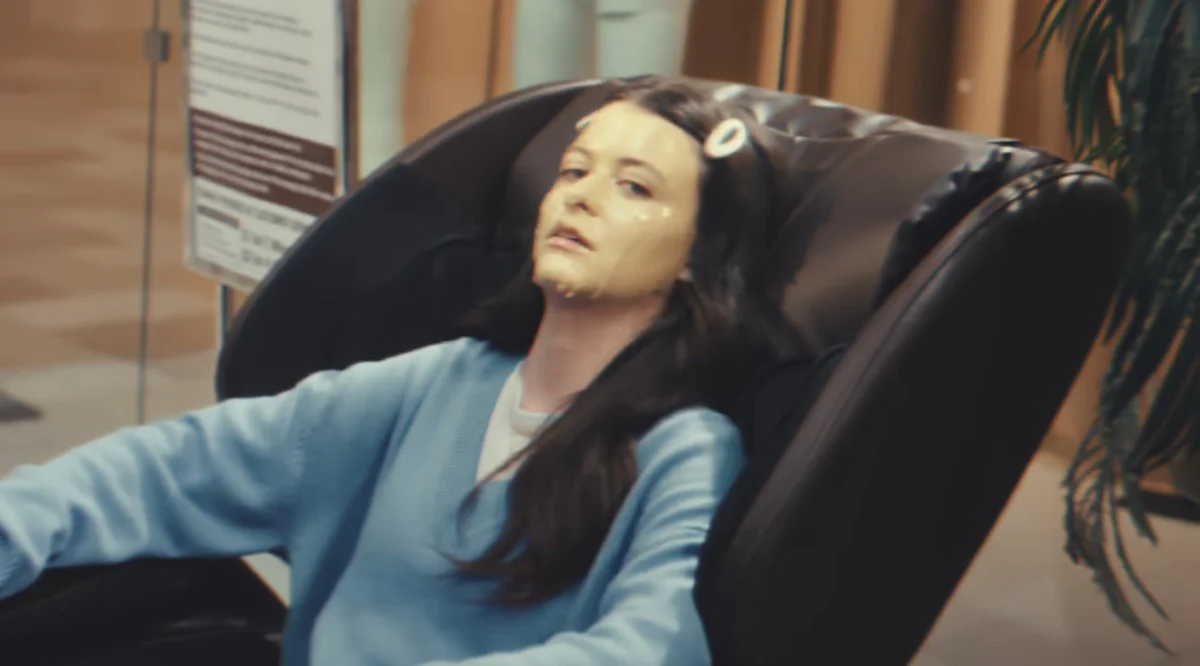
The e.l.f. Cosmetics campaign, released in September 2026, centers on a short-form video narrative that follows a protagonist navigating a shifting, labyrinthine environment.
- Concept Development: The campaign was designed to address a common consumer pain point: the "mismatch" of foundation color between the neck and the face. By framing this issue as a "horror" scenario, the brand positioned its Soft Glam Satin Foundation as the "escape" from an uncanny, distorted reality.
- Execution: The advertisement utilizes the "NoClip" trope, a term derived from video game culture referring to the act of passing through solid objects, which is a staple of Backrooms lore. The protagonist finds herself in a sterile, commercial space—an "Unglammy Valley"—where she encounters unsettling, distorted versions of herself.
- Public Release: Upon its release, the video quickly gained traction due to its high production value and its faithful adherence to the visual language of liminal horror, characterized by low-angle tracking shots, fluorescent lighting, and a disorienting color palette.
Data and Market Trends
The effectiveness of this campaign is supported by broader shifts in digital marketing analytics. According to recent consumer behavior studies, Gen Z and Alpha demographics demonstrate higher engagement rates with content that feels "unpolished" or subversive compared to traditional, high-gloss advertisements.
The integration of horror tropes into commercial advertising is not entirely unprecedented, but the intensity of the "Unglammy Valley" campaign signals a new phase. Brands are no longer merely "borrowing" the aesthetic; they are creating immersive short-form media that competes directly with entertainment content. For instance, the McDonald’s "Backrooms" campaign earlier in the year served as an early indicator that corporate entities were willing to lean into the discomfort of the uncanny to capture attention. Furthermore, the commercial success of the game Exit 8, which utilizes the concept of anomalous, repetitive corridors, provided a blueprint for the "looping" horror experience that e.l.f. effectively replicated in their ad.
![E.L.F. Debuts Bizarre Liminal Horror Ad [Watch]](https://www.dreadcentral.com/wp-content/uploads/2026/09/Screenshot-2026-09-15-at-3.40.32-PM.jpg)
Industry Implications and Corporate Strategy
The decision by e.l.f. Cosmetics to utilize a genre as niche as liminal horror for a product launch highlights a broader strategic shift in the cosmetics industry. Traditional beauty advertising has historically focused on perfection, aspirational lifestyles, and clear, linear narratives. By contrast, "e.l.f.scape from Unglammy Valley" embraces imperfection and psychological tension.
This strategy serves two primary functions:
- Brand Differentiation: By adopting a "weird" or "creepy" persona, the brand distinguishes itself from competitors who remain tethered to traditional, safe advertising models. This helps the brand maintain relevance in a saturated market where consumer attention spans are increasingly limited.
- Viral Potential: The inherent "shareability" of bizarre content increases organic reach. When consumers perceive an advertisement as a piece of creative entertainment rather than a commercial solicitation, they are significantly more likely to share it on social media platforms, thereby lowering the cost of customer acquisition through earned media.
Analyzing the "Uncanny Valley" Effect
The choice of the term "Unglammy Valley" is a calculated play on the "Uncanny Valley"—the psychological hypothesis that inanimate objects which appear almost, but not exactly, like human beings elicit feelings of unease or revulsion. By applying this to cosmetic mishaps, the brand is leveraging a known psychological phenomenon to create a memorable, albeit uncomfortable, association with the product.
This approach is inherently risky; if not executed with the appropriate level of self-awareness, such campaigns can alienate consumers. However, e.l.f. manages this by ensuring the product remains the "solution" to the horror. The product is not the source of the fear, but the key to "escaping" it, thereby reinforcing the brand’s utility while participating in the viral trend.
Broader Impact on the Horror Genre
The adoption of horror aesthetics by major corporations suggests that the genre has fully matured into a mainstream cultural pillar. While horror has always been a staple of cinema, its transition into the vocabulary of retail advertising marks a significant departure from its origins as a counter-culture or fringe interest.
Critics and media analysts note that this trend may lead to a saturation of the aesthetic, potentially diluting the "scare factor" that made liminal horror compelling in the first place. Nevertheless, the trend shows no sign of slowing down. As creators continue to push the boundaries of what constitutes "advertisement" versus "art," the line between traditional marketing and immersive digital experiences will likely continue to blur.
As of late 2026, the success of campaigns like "e.l.f.scape from Unglammy Valley" has set a new benchmark for brand engagement. It demonstrates that as audiences grow more adept at filtering out conventional marketing, brands must increasingly look to the fringes of internet culture to find the narratives that resonate. Whether this trend culminates in large-scale events, such as the rumored thematic integration of horror aesthetics into high-profile sports broadcasts or major live entertainment, remains to be seen. However, it is clear that horror is no longer just a genre for film and literature—it is now a powerful, and increasingly common, tool for brand identity in the modern digital age.