The Visionary Foundation: Maurice White and the Chicago Roots
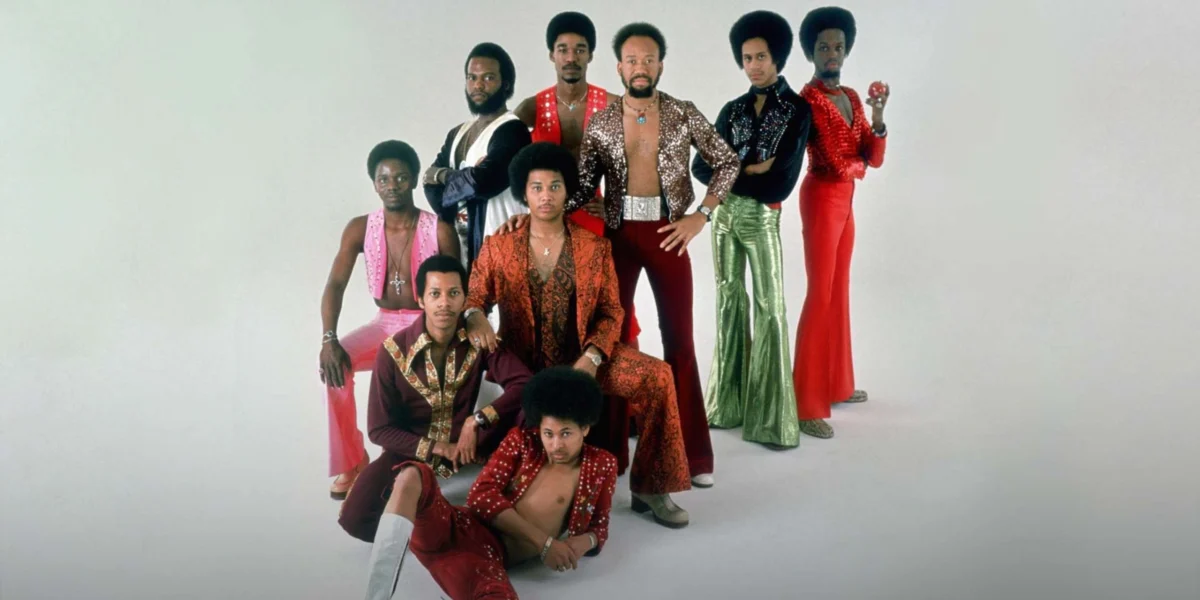
At the center of the documentary is Maurice White, the visionary founder whose philosophy shaped every aspect of Earth, Wind & Fire. Before the group’s meteoric rise, White was a seasoned session drummer at Chess Records in Chicago, performing on records for legends like Etta James and Fontella Bass. His tenure with the Ramsey Lewis Trio provided him with a foundational understanding of jazz and commercial appeal, but it was his desire to create a "universal" sound that led to the formation of Earth, Wind & Fire in 1969.
Questlove’s film meticulously details how White’s upbringing and professional training influenced his leadership style. The documentary highlights White’s decision to move to Los Angeles and reformulate the band after an initial iteration failed to gain significant traction. This pivot was crucial; it allowed White to recruit musicians who could execute his complex vision of blending gospel, R&B, funk, rock, jazz, and African sounds. The film uses vibrant animation and archival footage to illustrate how White’s interest in Egyptology, astrology, and metaphysical concepts wasn’t merely a marketing gimmick but a core component of the band’s DNA.
Chronology of a Musical Revolution: 1971–1983
The documentary provides a comprehensive timeline of the band’s most influential period, beginning with their signing to Warner Bros. and their subsequent move to Columbia Records under the guidance of Clive Davis. This era saw the release of a string of albums that redefined the parameters of Black music:
- The Early Years (1971–1973): The film explores the early experimental phase, including albums like The Need of Love and Head to the Sky, where the group began integrating the kalimba (African thumb piano), an instrument that would become a sonic trademark.
- The Breakthrough (1974–1975): A significant portion of the film is dedicated to the 1975 soundtrack and album That’s the Way of the World. While the accompanying film was a box office disappointment, the album became a multi-platinum success, yielding the hit "Shining Star," which reached number one on the Billboard Hot 100.
- The Golden Era (1976–1979): This period is characterized by the albums Spirit, All ‘n All, and I Am. The documentary highlights the 1978 release of "September," a track that has since become a global cultural phenomenon, amassing over 1.5 billion streams on platforms like Spotify and remaining a staple of celebrations across diverse demographics.
- Technological Innovation (1980–1983): As the industry shifted toward synthesizers and digital production, the film notes how Earth, Wind & Fire adapted with albums like Faces and Raise!, the latter containing the hit "Let’s Groove."
Technical Innovation and Creative Collaboration
A key strength of Questlove’s documentary is its focus on the technical architects who helped realize Maurice White’s sonic ambitions. The film provides rare insight into the work of George Massenburg, a Grammy-winning recording engineer and inventor. Massenburg’s development of the parametric equalizer was instrumental in capturing the clarity and punch of the band’s complex arrangements. His interviews in the film offer a technical perspective on how Earth, Wind & Fire achieved a high-fidelity sound that was years ahead of its contemporaries.
The documentary also pays homage to Charles Stepney, the producer and arranger who worked closely with White until his untimely death in 1976. Stepney is credited with bringing a sophisticated, orchestral sensibility to the band’s funk foundations. The film frames Stepney’s passing as a pivotal moment of creative grief for White, adding a layer of emotional "weight" to the narrative. Furthermore, the film highlights Verdine White, Maurice’s brother and the group’s bassist, whose high-energy stage presence and intricate bass lines provided the "earthly" anchor to the band’s "celestial" themes.
Supporting Data and Cultural Impact
The scale of Earth, Wind & Fire’s success is supported by staggering statistical data, which the documentary contextualizes through historical analysis. With over 90 million records sold worldwide, the group remains one of the best-selling musical acts of all time. Their accolades include:
- Grammy Awards: Six wins out of 17 nominations, including a Lifetime Achievement Award in 2016.
- Hall of Fame Inductions: The Rock and Roll Hall of Fame (2000), the Vocal Group Hall of Fame (2003), and the Songwriters Hall of Fame (2010).
- Live Performance Milestones: The band was a pioneer in elaborate stagecraft, utilizing pyrotechnics, illusions designed by Doug Henning and David Copperfield, and rotating drum kits, setting a standard for modern stadium tours.
Questlove emphasizes that these statistics represent more than just commercial success; they signify a cultural shift. The inclusion of interviews with former President Barack Obama and Michelle Obama underscores the band’s role in the American social fabric. The Obamas reflect on how the music served as a unifying force during a period of intense social and political transition in the United States, providing a soundtrack that was aspirational and inclusive.
Critical Analysis: The Complexity of Control
While the documentary is a celebration, Questlove does not shy away from the internal frictions that come with a singular vision. The film explores Maurice White’s intense need for control, which stemmed from his early professional experiences and personal childhood traumas. This drive for perfection led to a rigorous rehearsal schedule and high turnover of band members, creating a workplace environment that was as demanding as it was rewarding.
The narrative suggests that the "weight of the world" mentioned in the title refers to the immense pressure White felt to maintain the band’s spiritual purity while navigating the corporate demands of the music industry. The film notes that as the 1980s progressed, the changing landscape of MTV and synth-pop made it increasingly difficult for a large, live-instrument-based ensemble to maintain its dominance, leading to the group’s hiatus in 1983.
Official Responses and Industry Legacy
Industry veterans interviewed for the film, including Stevie Wonder and Lionel Richie, provide testimonials to the band’s enduring influence. Richie notes that Earth, Wind & Fire "raised the bar" for what a Black band could achieve, proving that R&B could be as grandiose and high-concept as progressive rock.
The documentary also serves as a posthumous tribute to Maurice White, who passed away in 2016 after a long battle with Parkinson’s disease. Current band members, including Verdine White, Philip Bailey, and Ralph Johnson, continue to tour, and their participation in the film validates Questlove’s work as the "definitive" account of their history. The film’s release is expected to trigger a resurgence in the band’s catalog, similar to the "Questlove effect" seen following Summer of Soul.
Broader Implications and Final Assessment
Earth, Wind & Fire (To Be Celestial VS That’s the Weight of the World) is more than a retrospective; it is an argument for the preservation of Black musical history. By documenting the intersection of spirituality, technology, and business, Questlove provides a blueprint for understanding the complexities of artistic legacy. The film concludes that the band’s timelessness is a result of their refusal to follow trends. Instead, they focused on "reaching the stars," a metaphor for their pursuit of excellence and universal connection.
In a media landscape often dominated by fleeting digital trends, this documentary asserts the importance of the "long game" in artistry. It reminds audiences that the music of Earth, Wind & Fire remains relevant because it was built on a foundation of rigorous craft and a profound belief in the power of music to elevate the human spirit. As the film begins its festival run and moves toward a wider release, it stands as a vital piece of cultural reportage, ensuring that the celestial vision of Maurice White continues to be understood by future generations.