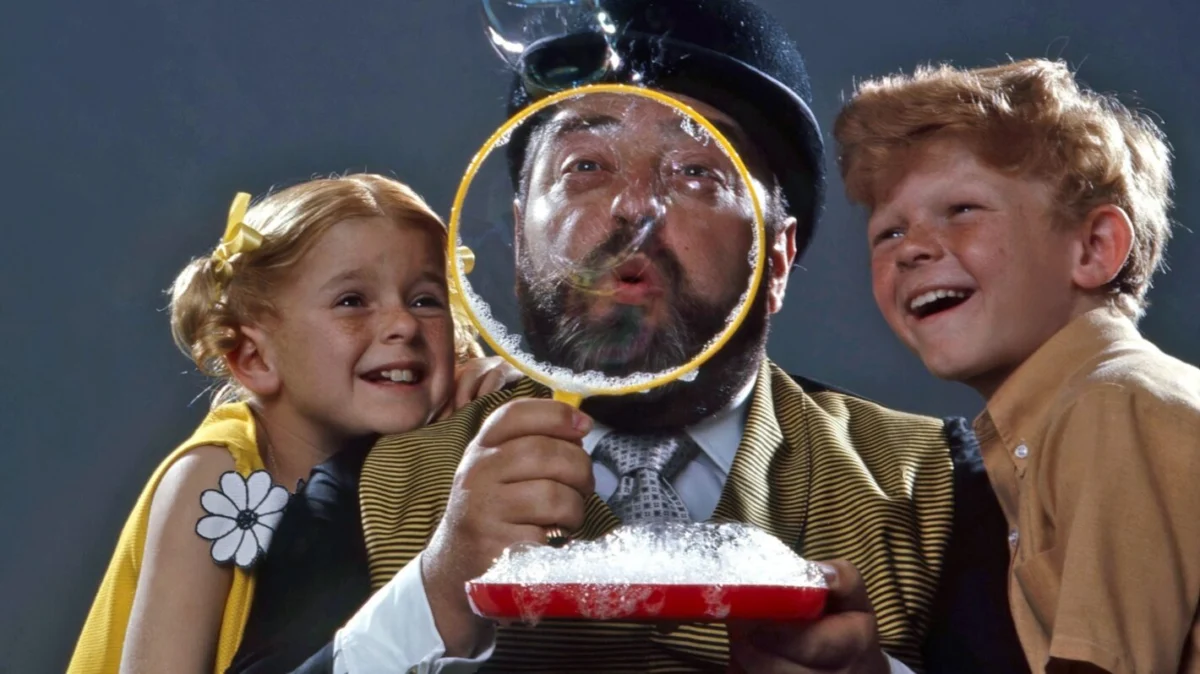
When Family Affair premiered 60 years ago, on September 12, 1966, it brought a new family dynamic to our TV screens when confirmed New York City bachelor Bill Davis and his English servant, Mr. French, were faced with major lifestyle adjustments as they made room for their new, unexpected family. The series, created by Don Fedderson, arrived during a pivotal era for American television, serving as a sophisticated departure from the slapstick comedies that dominated the mid-1960s. By juxtaposing the high-society bachelorhood of Bill Davis with the domestic realities of raising three orphaned children, the show explored themes of grief, adaptation, and the evolution of the American nuclear family.
The Genesis of a Cultural Phenomenon
The premise of Family Affair was deceptively simple yet emotionally resonant. Brian Keith starred as Bill Davis, a wealthy civil engineer whose globe-trotting lifestyle was interrupted by a profound personal tragedy. Following the sudden death of his brother and sister-in-law in a car accident, Davis assumed legal guardianship of his niece, Sissy (Kathy Garver), and young twins, Buffy (Anissa Jones) and Jody (Johnny Whitaker).
The narrative anchor of the series was not merely the children’s integration into the Davis household, but the transformation of Sebastian Cabot’s character, Giles French. Initially resistant to the intrusion of children into the serene, orderly environment of a Fifth Avenue penthouse, Mr. French became the emotional surrogate parent, providing the warmth and structure the children desperately needed. The chemistry between Cabot’s dignified, often bewildered valet and the three children provided the show with its signature blend of pathos and humor.
Chronology and Production History
The series trajectory spanned five seasons, concluding in 1971. During its tenure, Family Affair consistently ranked among the top-rated programs on CBS.
- 1966: The series debuts on September 12. It is immediately noted for its high production values and color cinematography, which were still considered a premium feature at the time.
- 1967–1968: The show hits its stride, becoming a staple of Monday night television. Merchandising begins in earnest, specifically regarding the iconic Mrs. Beasley doll, which became one of the most sought-after toys in American history.
- 1969: The show maintains high viewership, and the cast becomes household names. The production team focuses on the maturation of Sissy, moving her storylines toward collegiate and early-career challenges.
- 1970–1971: The fifth and final season. During this time, the show adopted the recurring sign-off in which the twins would look directly into the camera to thank the audience, creating an intimate, breaking-the-fourth-wall connection with viewers.
- 1971: CBS cancels the show. Despite its strong ratings, the production costs—largely due to the high salaries of the lead actors and the technical demands of the production—led the network to opt for more cost-effective programming.
Supporting Data and Demographic Impact
During its peak years, Family Affair was a ratings juggernaut. According to Nielsen media data from the late 1960s, the series frequently captured a significant share of the prime-time audience, often landing in the Top 20 most-watched shows. Its demographic reach was unique; it appealed simultaneously to children attracted to the twins’ innocence and adult viewers who resonated with Bill Davis’s professional struggles and his transition from bachelorhood to paternal responsibility.
The cultural impact was further cemented by the success of the Mrs. Beasley doll. Manufactured by Mattel, the doll was a cultural touchstone that reinforced the show’s popularity. Sales of the doll reached millions of units, making it one of the earliest examples of a television show successfully driving a multi-million-dollar retail vertical.
Behind the Scenes: The Cast and Creative Vision
The casting of the series was instrumental to its longevity. Brian Keith, a seasoned film actor, brought a world-weariness to the role of Bill Davis that grounded the show’s premise in reality. He was not a traditional sitcom father; he was a man who worked, traveled, and was clearly out of his element.
Sebastian Cabot’s portrayal of Mr. French provided the necessary comedic counterweight. Cabot’s background in theater and voice work allowed him to bring a nuanced, dry wit to the character that prevented the show from becoming overly saccharine. For the child actors, the roles were career-defining. Anissa Jones, in particular, became a symbol of mid-century childhood innocence. Her performance as Buffy was widely praised for its sincerity, though it eventually highlighted the challenges of child stardom in the 1960s.
Analysis of the "Unconventional Family" Archetype
Family Affair was significant for its portrayal of the "non-traditional" family. In the 1960s, television was largely dominated by nuclear families—a mother, a father, and children. By presenting a home led by a bachelor and a male servant, the show pushed the boundaries of what constituted a family unit. While the show remained conservative in its values, it laid the groundwork for later sitcoms to explore diverse family structures, such as single-parent households and co-parenting arrangements between non-romantic partners.
The setting of a Fifth Avenue high-rise also played a role in the show’s success. It provided a sense of aspirational escapism for audiences. The contrast between the luxurious, high-ceilinged apartment and the chaotic, messy reality of raising three children created a visual shorthand for the series’ core conflict: the struggle to maintain one’s former life while embracing the responsibilities of a new, permanent domestic reality.
Official Responses and Critical Legacy
Reflecting on the series years later, former cast members and television historians have consistently cited the show’s emotional authenticity. Kathy Garver, who played Sissy, has frequently noted in interviews that the show succeeded because it did not talk down to its audience. The scripts often addressed the children’s feelings of loss and displacement with a seriousness that was rarely seen in contemporary programming.
Television critics of the era often remarked that Family Affair was "gentle" television. While it lacked the biting social commentary of later programs like All in the Family, it was highly effective in its emotional delivery. It provided a safe, reliable space for viewers during a decade characterized by significant social and political upheaval in the United States.
Broader Implications and Historical Significance
The legacy of Family Affair extends beyond its original broadcast run. It represents the pinnacle of the "family comedy" era, serving as a bridge between the classic sitcoms of the 1950s and the more experimental, reality-driven shows of the 1970s.
The cancellation of the show in 1971 serves as a historical case study for the changing economics of television. As the network landscape shifted to favor programs that targeted younger, urban demographics, the "gentle" nature of Family Affair became a liability. Yet, the show’s syndication history proves its endurance; for decades, it remained a fixture in afternoon reruns, allowing subsequent generations to engage with the characters of Buffy, Jody, and Sissy.
As we look back at the 60th anniversary of its premiere, Family Affair stands as a testament to the power of character-driven storytelling. It proved that a series did not need high-concept sci-fi elements or slapstick antics to maintain a captive audience. Instead, it relied on the universal, timeless nature of the family bond—a bond that can be formed not just by blood, but by shared experience, mutual respect, and the decision to care for one another in the face of life’s unexpected challenges. Today, the show remains a cultural artifact of 1960s Americana, a window into a time when a bachelor and his valet could redefine the meaning of "home."