The landscape of the Jurassic World franchise has undergone significant shifts in recent months, following the high-profile departure of director Gareth Edwards from the upcoming sequel to Jurassic World: Rebirth. Edwards, who had been tapped to lead the franchise into its next phase, exited the project in August 2026 citing "creative differences," a development that sent shockwaves through the industry and left Universal Pictures in search of a seasoned successor. Current reports indicate that J.A. Bayona, the visionary behind the 2018 installment Jurassic World: Fallen Kingdom, is the primary candidate currently in discussions with studio executives to reclaim the director’s chair.
This potential reunion comes exactly one decade after Bayona’s original tenure with the franchise. While the move has not yet been formally signed, industry insiders, including Borys Kit of The Hollywood Reporter, have confirmed that Bayona sits at the top of Universal’s shortlist. The studio appears to be prioritizing a filmmaker with established experience in the specific logistical and tonal requirements of the Jurassic brand, particularly as the franchise attempts to regain critical momentum following the polarizing reception of recent entries.
A Chronology of the Jurassic World Rebirth Era
The timeline leading to this potential transition is marked by a rapid cycle of development, casting, and internal adjustments. Following the conclusion of the initial Jurassic World trilogy, which culminated in the 2022 release of Dominion, Universal Pictures opted to revitalize the property with a new creative direction. This led to the announcement of Jurassic World: Rebirth, a film positioned as a bridge between the legacy characters and a new, more grounded narrative approach.
Gareth Edwards, known for his work on Rogue One: A Star Wars Story and The Creator, was initially brought on to helm this project, which featured a screenplay by franchise stalwart David Koepp. However, the production cycle for the sequel to Rebirth faced immediate disruption in late summer 2026. The split between Edwards and the studio was characterized as a standard divergence in vision, yet it underscored the inherent difficulty in balancing blockbuster spectacle with the specific narrative expectations of the Jurassic fandom.
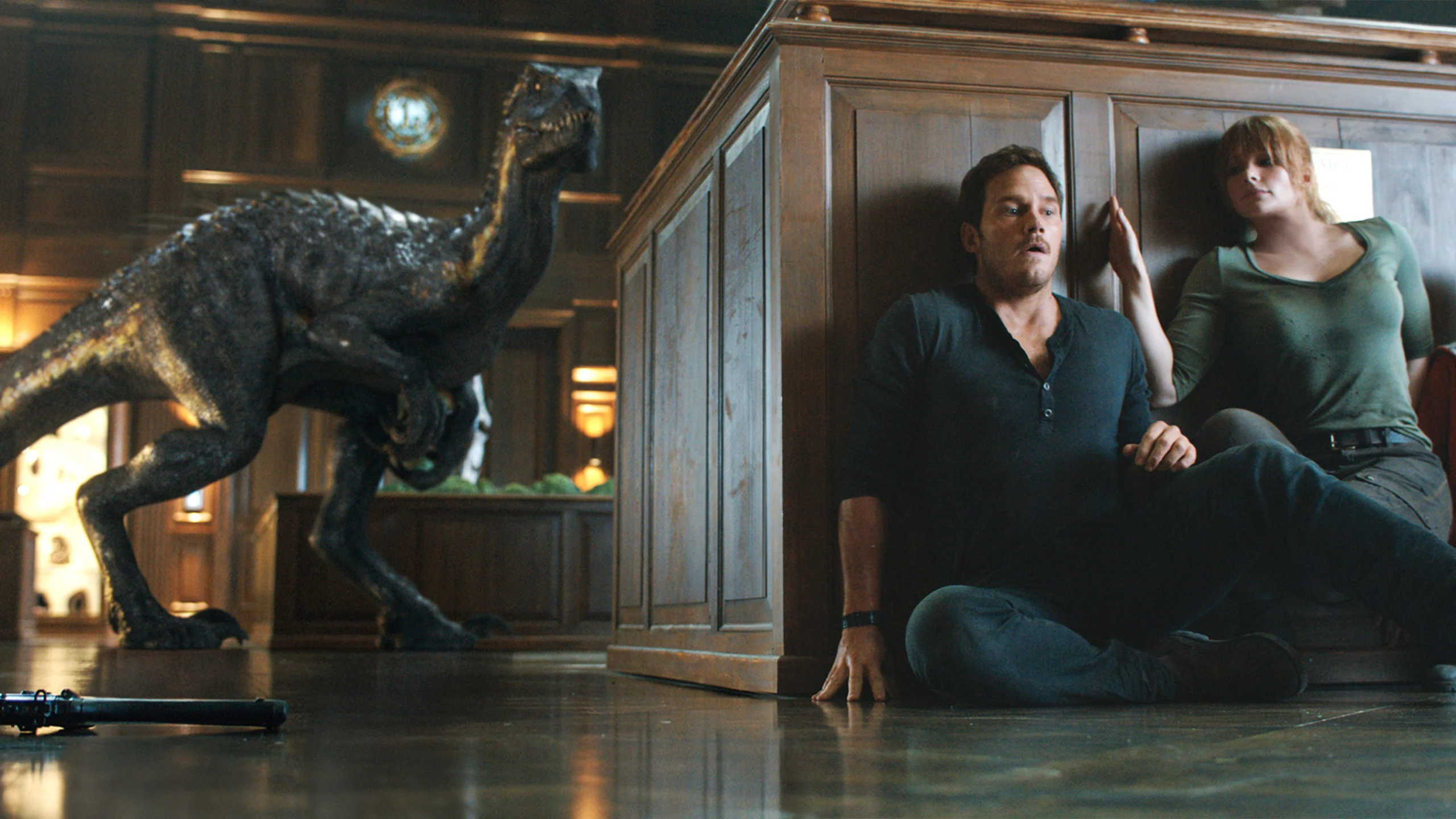
If J.A. Bayona officially accepts the role, his return will be framed by a ten-year gap since his last contribution to the series. His previous effort, Fallen Kingdom, represented a pivot toward Gothic horror influences—a departure from the more traditional action-adventure tone established by Colin Trevorrow. This stylistic choice, while criticized by some for its departure from franchise conventions, provided a unique visual identity that remains a point of intense discussion among enthusiasts.

Box Office Performance and Financial Stakes
The primary driver for the continued expansion of the Jurassic World universe remains its undeniable commercial durability. Despite fluctuating critical scores, the franchise consistently ranks among the highest-grossing intellectual properties in cinematic history. Jurassic World: Fallen Kingdom, released in 2018, grossed over $1.3 billion globally, proving that the dinosaur-centric formula retains massive appeal across international markets, regardless of critical consensus.
The recent release of Jurassic World: Rebirth in 2025 further reinforced this financial reality. Despite being labeled by some critics as a creative low point for the series, the film’s box office performance remained robust, cementing the viability of future installments. For Universal Pictures, the sequel represents a significant investment. The studio is not merely managing a film series but maintaining a multi-billion-dollar ecosystem that encompasses theme parks, merchandise, and digital content. Consequently, the selection of a director is not solely an artistic decision but a strategic move to ensure the project remains on schedule and within its projected budgetary parameters.
The Role of David Koepp and the Returning Cast
A stabilizing factor in this transition is the continued involvement of screenwriter David Koepp. As the original writer of the 1993 Jurassic Park, Koepp brings a level of institutional knowledge that is vital for continuity. His script for the upcoming sequel is expected to retain the core cast established in the preceding film, including Scarlett Johansson, Mahershala Ali, and Jonathan Bailey.
The retention of this talent pool is a strategic advantage for the production. By keeping the cast intact, Universal aims to maintain a sense of narrative cohesion even as the directorial leadership shifts. Johansson, Ali, and Bailey represent a significant investment in acting prestige, and their participation suggests that the studio is aiming for a more character-driven approach in the next phase of the franchise. For a director like Bayona, who has demonstrated a penchant for intense performances in films like The Impossible and A Monster Calls, the presence of such a caliber of actors offers a clear path toward elevating the dramatic stakes of the film.
Analyzing the Implications of a Bayona Return
The potential return of J.A. Bayona carries several implications for the franchise’s future. First, it suggests that Universal is moving away from the experimental tone of Gareth Edwards toward a more established, "proven" aesthetic. Bayona’s work is characterized by high-tension sequences and a dark, moody visual palette—elements that proved successful in the second act of the Jurassic World saga.
Furthermore, this move indicates a desire to streamline the production process. Bringing in a director who has already navigated the complex pipeline of a Jurassic World production allows the studio to mitigate the risks associated with onboarding a new filmmaker. Bayona is familiar with the technical requirements, the scale of the visual effects, and the collaborative nature of working within a major studio system.

From an industry perspective, this development highlights the current climate in Hollywood regarding tentpole franchises. Studios are increasingly returning to established creative voices to provide stability for long-running series. In an era of high-cost productions, the "known quantity" has become a safer bet than an untested visionary, particularly when a project has already experienced the disruption of a directorial departure.
Future Outlook and Industry Response
As of early October 2026, the discussions between the studio and Bayona remain in a sensitive stage. While the industry is anticipating a formal announcement, the nature of such high-level negotiations means that nothing is finalized until contracts are signed. Universal Pictures has declined to comment on the ongoing talks, maintaining a standard policy regarding internal production matters.
The broader implications for the audience are clear: the Jurassic World franchise is entering a period of recalibration. By aiming to align the sequel with a director who understands the franchise’s history while having the capacity to push it into new, perhaps darker, territories, Universal is attempting to bridge the gap between commercial demand and artistic evolution.
Whether this transition will result in a return to the franchise’s peak form remains to be seen. However, the move toward Bayona suggests a calculated effort to unify the project’s creative direction under a familiar banner. If successful, the untitled sequel will serve as a definitive statement on the longevity of the series, potentially setting a new standard for how legacy franchises handle leadership transitions.
The global fan base remains attentive, with social media discourse reflecting a mixture of nostalgia for the earlier films and cautious optimism regarding the direction of the new narrative arc. For now, the film industry looks toward Universal to confirm the next step in this long-running saga, a step that could very well redefine the future of the most successful dinosaur franchise in cinema history. The coming weeks will likely provide clarity on whether the Jurassic World universe will indeed look to the past to secure its future.